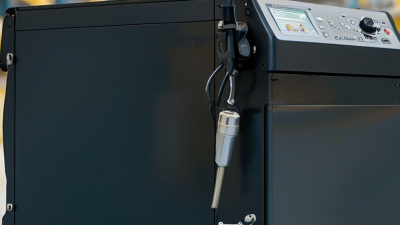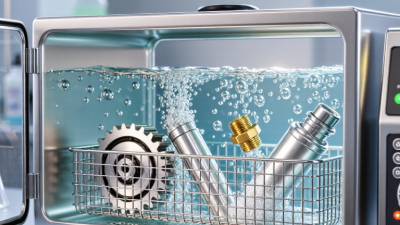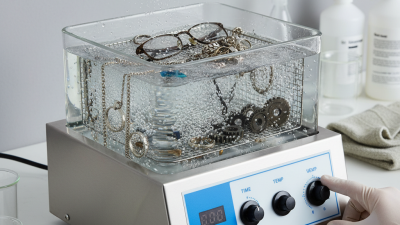
Choosing an Ultrasonic Cleaning Tank manufacturer in China involves more than comparing prices or catalog photos. Buyers need to match tank capacity, transducer placement, operating frequency, and heating options to the parts they intend to clean. A compact benchtop unit may suit small components, while production lines may require larger tanks, baskets, drainage, and consistent controls. Details matter.
This overview introduces manufacturers and the capabilities buyers can evaluate, rather than treating a supplier listing as a guarantee of performance. Useful questions include what materials the tank uses, how welds and electrical components are checked, and whether the manufacturer can provide operating guidance or sample testing. Small clues count. Clear specifications, realistic lead times, and responsive technical support can make a comparison more dependable. Ask for evidence, not just promises.
The right choice depends on the application. Delicate parts, stubborn residues, and high-throughput workloads do not call for identical equipment. Buyers should also consider tank dimensions, cleaning chemistry compatibility, maintenance access, and the availability of replacement components. A polished brochure cannot answer every practical question. That is easy to overlook. The sections ahead offer a structured way to compare China-based suppliers, assess product fit, and identify questions worth raising before purchase. Where specifications are unclear, confirm them directly with the manufacturer instead of assuming that similar-looking machines perform alike.
Ultrasonic cleaning tanks use sound waves, commonly ranging from 20 to 400 kHz, to create cavitation in a liquid. Alternating pressure forms tiny bubbles, which collapse near immersed surfaces and loosen soil from crevices. The effect is physical, not magic. At lower frequencies, bubbles are generally larger and their collapse more forceful, which can suit robust parts. Higher frequencies tend to produce smaller bubbles and finer cleaning action for delicate surfaces. These are tendencies, not guarantees.
Frequency alone does not determine the result. Tank shape, transducer placement, liquid temperature, detergent, and the load all matter. A crowded basket can block sound paths; a small metal component may clean unevenly if it rests against another part. Degassing fresh solution can help stabilize cavitation, while excessive heat may reduce cleaning performance. Operators should test representative parts and inspect them under good light. It is tempting to chase the highest frequency or power setting. That can be the wrong choice. Real cleaning often involves compromise, and the ideal setting is not always obvious.
As ultrasonic frequency increases, the wavelength in water decreases—an important factor in how cavitation bubbles form and behave.
Wavelength values are calculated using a sound speed of approximately 1,482 m/s in water at 20°C. Cavitation intensity and cleaning performance also depend on factors such as acoustic power, tank design, liquid temperature, and load.
Top Ultrasonic Cleaning Tank Manufacturers in China
Key Specifications: Frequency, Ultrasonic Power, Tank Capacity, and Temperature
When comparing ultrasonic cleaning tanks from Chinese manufacturers, look beyond the headline frequency. Lower frequencies often create stronger cavitation for robust parts, while higher frequencies can suit smaller features and delicate surfaces. These are general tendencies, not guarantees. Ask whether the stated frequency is measured under operating conditions, and request a cleaning trial using representative parts.
Ultrasonic power needs context. A wattage figure alone does not show how evenly energy reaches the load. Compare power with the tank’s usable volume, then check whether the manufacturer explains its rating method. Small tanks vary. A densely packed basket can leave shadowed areas, even when the unit appears powerful on paper. That detail is easy to miss.
Tank capacity should mean working space, not just the vessel’s external dimensions. Allow room for the basket, liquid level, and safe circulation around parts. Temperature control matters too: suitable settings depend on the cleaning solution, soil, and component materials. Heat changes things. Confirm the control range, temperature stability, and whether the heater can maintain the setpoint during routine use. Specification sheets rarely capture every loading condition, so practical testing remains worthwhile. A perfect match on paper may still need adjustment.
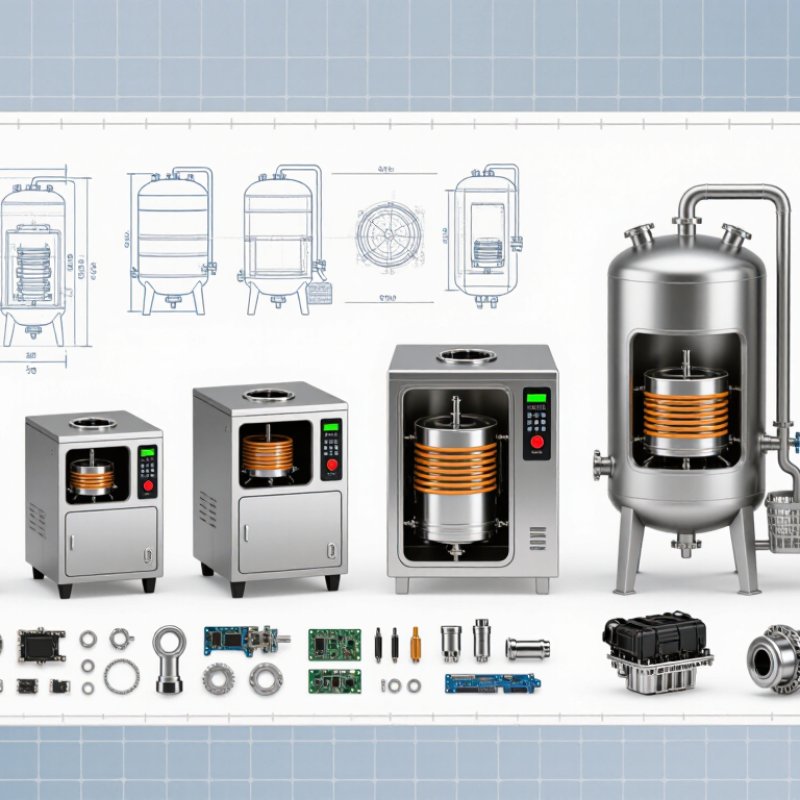
China’s ultrasonic cleaning tank manufacturers differ less by headline power than by range and engineering depth. Some focus on compact benchtop units for small parts. Others build larger tanks, multi-stage lines, and systems with filtration, heating, or drying. For OEM buyers, compare more than the catalog. Ask whether the supplier can adjust tank dimensions, frequency, basket layout, controls, and electrical specifications. A sample test matters. Oil, blind holes, and delicate surfaces respond differently to cleaning.
Grand View Research valued the global ultrasonic cleaning market at about USD 1.7 billion in 2023 and forecast a 5.4% compound annual growth rate from 2024 to 2030. That outlook suggests continued demand, but it does not prove that every factory can deliver consistent cleaning results. Request a written test protocol, cycle-time data, and material details for the tank and transducers. Check how the supplier handles drawings, pilot builds, and replacement parts. Small omissions can slow a custom order. I would also verify claims with a sample run; paperwork alone is not enough.
Indicative comparison of common supplier and product categories in China’s ultrasonic-cleaning equipment market. Specifications and customization options vary by supplier and model; confirm them directly before purchasing.
| Supplier / product category | Typical product range | Common configuration options | Typical OEM / ODM scope | Best suited to |
|---|---|---|---|---|
| Compact benchtop tank suppliers | Small-capacity tabletop cleaners for tools, components, jewelry, and laboratory items. | Common options include a stainless-steel tank, timer, heater, basket, and selectable ultrasonic settings on some models. | May include logo and packaging customization, control-panel changes, and accessory selection; availability depends on order quantity and model. | Small workshops, laboratories, retailers, and low-volume cleaning tasks. |
| General-purpose single-tank suppliers | Floor-standing or larger-bench units for parts cleaning in maintenance, manufacturing, and service settings. | Depending on the model: heating, drain valves, baskets, digital controls, and different tank dimensions. Operating frequency and power should be checked against the application. | Tank dimensions, electrical specifications, controls, and accessories may be configurable. Request drawings and a written specification for custom builds. | Users needing a standalone cleaning stage for recurring production or maintenance work. |
| Industrial heavy-duty tank suppliers | Larger-capacity systems designed for heavier components, higher throughput, or demanding operating schedules. | Possible options include reinforced construction, lifting aids, filtration, oil separation, and process controls; features are model-specific. | Can involve engineering to suit part size, loading method, process sequence, and site utilities. Confirm capacity, duty cycle, and acceptance criteria in advance. | Factories and industrial service operations with larger parts or sustained cleaning demand. |
| Multi-tank and process-line suppliers | Integrated cleaning arrangements that may combine ultrasonic cleaning, rinsing, and drying stages. | Layouts can include multiple tanks, transfer systems, programmable controls, and process-specific handling equipment. | Typically requires project-level design, process-flow definition, layout review, and coordination of electrical and utility requirements. | Production lines that require repeatable multi-step cleaning rather than a standalone tank. |
| Application-focused OEM suppliers | Equipment configured for a defined part, cleaning process, or industry requirement rather than a general-purpose catalog model. | May be tailored around workpiece geometry, basket or fixture design, cleaning chemistry, and process parameters established during testing. | Potentially includes private labeling, custom enclosures, fixtures, controls, and machine integration. Confirm design ownership, testing, documentation, and minimum order terms. | Buyers with a specific process, integration, or private-label requirement. |
| Comparison note: These are market-level product and capability categories, not verified profiles of individual manufacturers. Request a detailed quotation, technical datasheet, sample test results, warranty terms, and applicable conformity documents when evaluating suppliers. | ||||
A supplier’s quality claims deserve practical checks, not just polished brochures. Ask how its ISO 9001 quality management system covers tank assembly, inspection, and handling of customer complaints. Request recent inspection records, with dates and clear acceptance criteria. A certificate alone cannot show how consistently each unit is built.
CE marking should match the specific equipment and its intended use. Review the supporting documentation, product identification, and safety information; do not rely on a logo in a catalog. Then examine cleaning-test results. Ask what parts were tested, which detergent and operating settings were used, and how cleanliness was measured. A photo of a shiny component is weak evidence. Repeatable measurements are more useful.
Tips: Send representative parts and agree on a pass/fail standard before testing. Check for residue in holes and narrow channels, not only on visible surfaces. Keep the records. Results can vary with loading and fluid condition, so one successful test may not predict every production run. I would also ask for a witnessed repeat test; it takes time, but removes some guesswork.
Choosing a tank starts with the soil and the part, not the largest available basin. Frequencies around 20–40 kHz create stronger cavitation for robust parts with heavy deposits; 40–80 kHz generally suits finer features and more delicate surfaces. These are practical selection ranges, not guarantees. Test a representative part: geometry, solution, and temperature can change the result. A small blind hole may remain dirty even when the tank sounds busy.
Capacity needs equal care. Calculate working volume from the liquid’s length, width, and depth, then allow space around the load for circulation. A 30 × 20 × 15 cm liquid volume holds 9 litres before parts displace liquid. Do not size the tank by nominal volume alone. IEC 63001:2019 specifies methods for measuring ultrasonic power in liquids, while ASTM G131-96(2020) addresses ultrasonic cleaning practice; both support checking actual equipment performance rather than trusting a control-panel setting. Ask for a documented power measurement and run a timed cleaning trial. It may take longer than expected. That is useful evidence.