Sonic Cleaner Tips for Effective Cleaning Every Time?
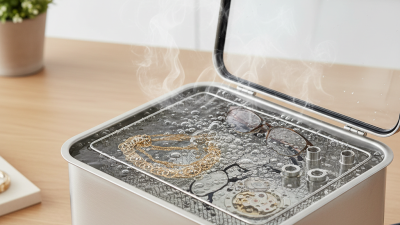
In the world of cleaning technology, the "Sonic Cleaner" stands out as a powerful tool. Experts like Dr. Marcus Allen, a leading figure in ultrasonic cleaning, emphasize its potential. He once stated, "Sonic cleaners can reach areas traditional methods simply cannot." This highlights its unique capability to clean effectively.
Using a Sonic Cleaner involves more than just turning it on. Understanding the right solutions and timing is crucial. For example, too long in the cleaner can dull delicate items. Many users overlook this detail, leading to mixed results. The key is trial and error to find the perfect balance.
Each cleaning session should aim for maximum efficiency. Consider the items you clean regularly. Tailor your approach to each item's specific needs. Reflecting on past experiences will improve your results with a Sonic Cleaner. Make note of what works and what doesn't. Aim for consistency in your cleaning routine for the best outcomes.
Understanding Sonic Cleaning Technology and Its Benefits
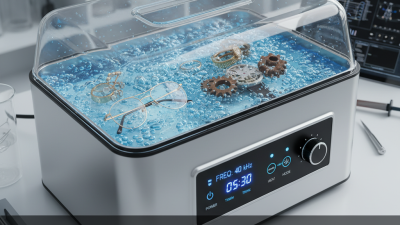
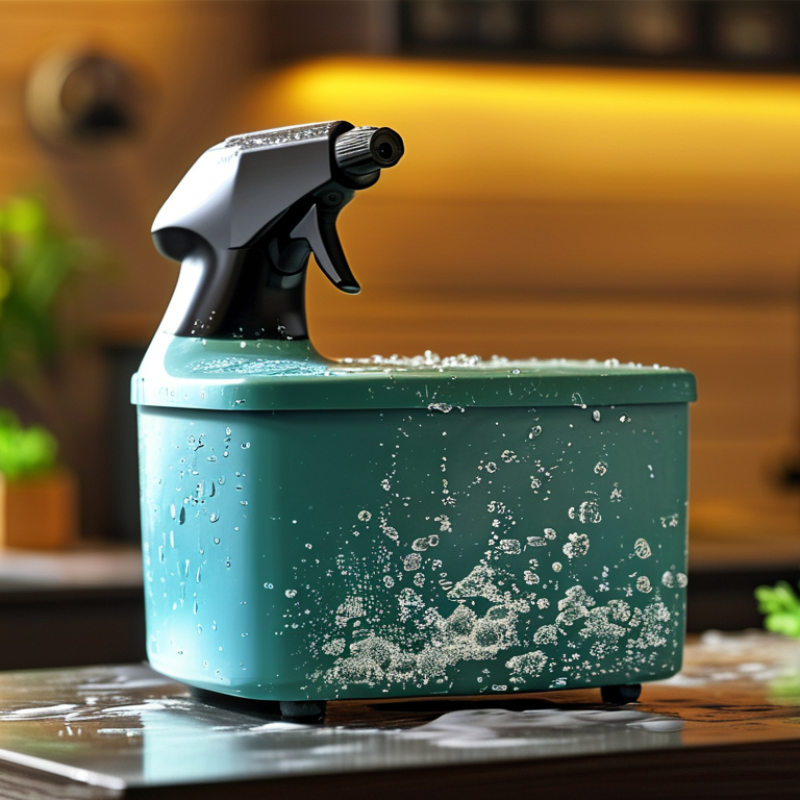
Sonic cleaning technology has changed the way we approach cleaning tasks. This method uses high-frequency sound waves to create millions of tiny bubbles in a cleaning solution. When these bubbles burst, they penetrate into small crevices, effectively loosening dirt and grime. This process, known as cavitation, ensures a thorough clean for various items.
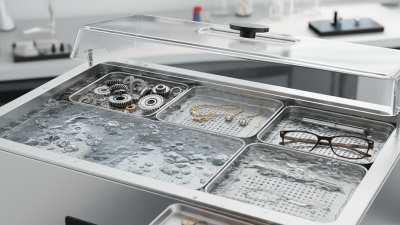
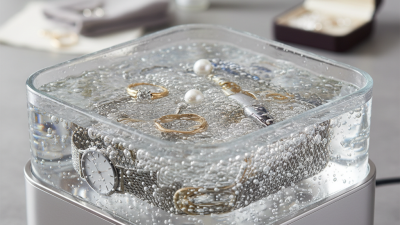
The benefits of sonic cleaning are numerous. It can remove contaminants that traditional cleaning methods struggle with. For example, intricate jewelry or delicate electronic parts can be cleaned without damage. However, some materials may react poorly to this method. Certain gemstones and porous materials should be tested first. This highlights the importance of understanding the items you clean. Each item requires a tailored approach for the best results.
While sonic cleaning is efficient, not all situations are ideal. Users must ensure the cleaning solution is appropriate for the materials involved. Using the wrong type could lead to dull surfaces or even damage. Balancing the process and knowing what works is key. Sonic cleaning offers impressive outcomes, but caution is crucial to achieve optimal results.
Sonic Cleaner Tips for Effective Cleaning Every Time
| Cleaning Item |
Recommended Frequency |
Time Required |
Cleaning Solution |
Tips |
| Jewelry |
Every 2 weeks |
5 minutes |
Diluted dish soap |
Remove any loose dirt before cleaning. |
| Eyeglasses |
Once a week |
3 minutes |
Specialty lens cleaner |
Ensure frames are secure before cleaning. |
| Dentures |
Daily |
10 minutes |
Dental cleaner solution |
Rinse thoroughly after cleaning. |
| Watch Bands |
Every month |
7 minutes |
Mild soap and water |
Avoid submerging electronics. |
| Musical Instruments |
After each use |
15 minutes |
Instrument-specific cleaner |
Check for moisture before storing. |
Choosing the Right Sonic Cleaner for Your Needs
When choosing a sonic cleaner, it's vital to assess your specific needs. The market offers a variety of sonic cleaners, each designed for different applications, like jewelry, dental instruments, or electronics. A 2021 industry report indicated that nearly 75% of users experienced better cleaning results with specialized devices. Understanding the frequency range and power output can make a significant difference. Generally, frequencies between 28 kHz and 40 kHz are optimal for most cleaning tasks.
Considering tank size is essential. A smaller tank might be sufficient for personal items, but larger tanks are better for industrial applications. Remember, fill it with the right cleaning solution. Research shows that using the wrong solution can result in less effective cleaning. Also, ensure that the item fits comfortably. Overcrowding the tank can lead to inefficient results—a common oversight many professionals make.
You might find various features, such as digital timers or adjustable temperatures. These can enhance your cleaning efficiency but can also complicate usage. It's beneficial to weigh these features against your cleaning habits. Look into reviews and empirical data to see how different models perform under real-world conditions. Reflect on your priorities and choose wisely, as the right sonic cleaner can save both time and effort in the long run.
Step-by-Step Guide to Preparing Items for Sonic Cleaning
Preparing items for sonic cleaning requires careful attention to detail. Start by removing any loose dirt or debris from the items. A soft brush can help dislodge stubborn particles. Ensure that the items are compatible with sonic cleaning; some materials may not withstand the process. Examine each item closely for wear and tear. Using damaged items could lead to further deterioration during cleaning.
Next, choose an appropriate cleaning solution. This step is crucial for achieving optimal results. Dilute the solution according to the manufacturer's instructions. Immerse the items fully in the cleaning liquid to ensure they are adequately treated. Pay attention to the cleaning duration. Cleaning for too long can damage delicate components, while insufficient cleaning can leave residue.
Finally, rinse the items thoroughly after the sonic cleaning process. This ensures that no cleaning solution remains on the surface. Dry them with a lint-free cloth, avoiding any that may leave fibers behind. Take a moment to inspect your work. Reflect on the cleaning results; if they don't meet expectations, consider adjusting your approach next time.
Best Practices for Operating a Sonic Cleaner Effectively
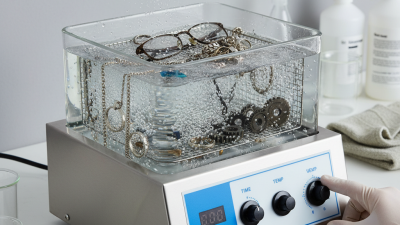
When using a sonic cleaner, proper operation is key. Start with the right cleaning solution. Studies show that water alone cleans only 20% of contaminants. Adding an appropriate solvent can enhance results dramatically. This combination can boost cleaning efficiency by up to 90%. Always ensure you match the solution to the specific materials you are cleaning. Some metals, like aluminum, can corrode in certain cleaners.
The temperature of the solution matters, too. Most effective cleaning occurs between 50°F and 140°F. Higher temperatures can dissolve grime faster. However, too much heat might damage sensitive items. Regularly check the temperature during operation for optimal results. Also, remember to maintain your sonic cleaner. A dirty tank will lead to poor cleaning outcomes, affecting reliability.
Periodically cleaning the tank and changing the solution can improve effectiveness. It's easy to overlook these details. Many users neglect this step, which can lead to significant drops in performance. Investing time into routine maintenance is as important as the initial setup. This attention to detail can make a world of difference.
Maintenance Tips to Keep Your Sonic Cleaner in Optimal Condition
To maintain peak performance, regular upkeep of your sonic cleaner is essential. According to the International Cleaning and Restoration Association, keeping equipment clean boosts its efficiency by nearly 30%. Ensure you inspect the device frequently for any signs of wear and tear. Look for cracks or leaks that could impair function. Such issues, if neglected, can lead to costly repairs.
Cleaning the tank is equally crucial. Debris buildup can affect the cleaning power. It is recommended to empty and clean the tank weekly. Use a gentle detergent solution to avoid damaging the internal components. However, some users forget this step, leading to disappointing results. Keep an eye on the ultrasonic transducers too; they should be free from any residues. Addressing these details can save time and increase effectiveness.
Lastly, it’s vital to store your sonic cleaner correctly. Extreme temperatures can harm the device. Ideally, keep it in a climate-controlled environment. Neglecting proper storage can significantly decrease the lifespan of the machine. Always remember to consult the manufacturer’s guidelines for specific maintenance practices. Ignoring this advice can lead to unforeseen issues down the line.
Sonic Cleaner Effectiveness Based on Frequency Settings
This chart illustrates the effectiveness of sonic cleaners at different frequency settings. The data represents the average cleaning efficiency measured in percentage (%). Higher frequencies typically yield better cleaning results for various types of contaminants.