What is an Ultrasonic Cleaner and How Does It Work?
In the world of cleaning technology, the Ultrasonic Cleaner has become essential for various industries. Dr. James Carter, an expert in the field, once stated, "Ultrasonic cleaners redefine how we think about cleaning precision." This sentiment highlights the efficiency and effectiveness of these machines in removing dirt and contaminants from intricate items.
Ultrasonic cleaners use high-frequency sound waves to create microscopic bubbles. These bubbles implode and produce a scrubbing action, ensuring a deep clean. From jewelry to surgical instruments, this method is revolutionary. However, it's crucial to understand that not all materials are suitable for ultrasonic cleaning. Some items may sustain damage if not handled correctly.
As we explore the functionality of the Ultrasonic Cleaner, we must consider its limitations. Not every stain will be removed. Cleaning solutions and maintenance are also critical factors. Users often overlook these aspects. By grasping the technology and its boundaries, we can maximize the benefits of ultrasonic cleaning.
What is an Ultrasonic Cleaner?
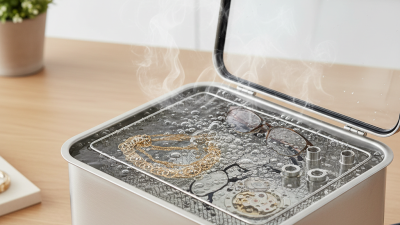
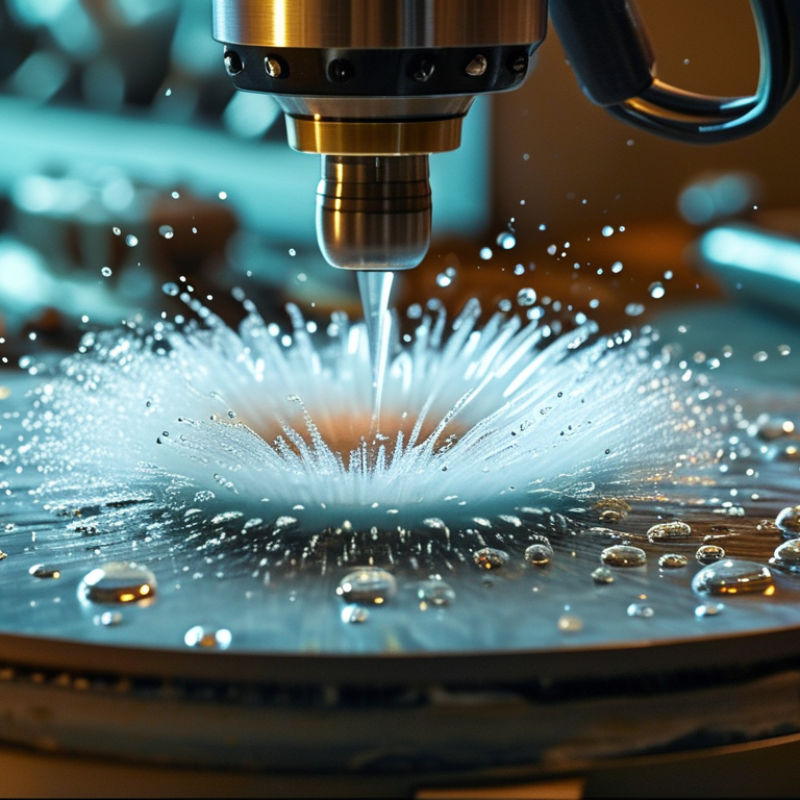
Ultrasonic cleaners are fascinating devices used for cleaning items through high-frequency sound waves. They create millions of tiny bubbles in a cleaning solution. When these bubbles burst, they produce a powerful scrubbing action that removes dirt and grime from surfaces. This method is effective for various items, from jewelry to intricate machinery parts. The process is gentle yet thorough, making it ideal for delicate objects.
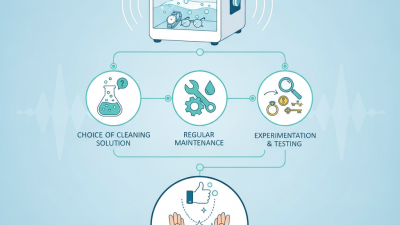
When using an ultrasonic cleaner, the right cleaning solution is crucial. Consider the type of material you are cleaning. Some solutions are designed specifically for metal, while others suit plastics or glass. Mixing the solution correctly enhances cleaning efficiency. It's important to follow guidelines for best results. Failure to do so may lead to unsatisfactory outcomes.
Experimentation can lead to better results. Test different cleaning times and solutions to see what works best for your items. Over time, you'll develop a sense of how long each item needs to be cleaned. Always ensure your items are suitable for ultrasonic cleaning. Remember to conduct initial tests with less valuable items to avoid unwanted damage.
What is an Ultrasonic Cleaner and How Does It Work?
| Feature |
Description |
| What is it? |
An ultrasonic cleaner is a device that uses high-frequency sound waves to agitate a fluid. |
| How does it work? |
It creates microscopic bubbles in a cleaning solution through ultrasonic waves, which collapse and produce high forces that clean surfaces. |
| Common uses |
Used for cleaning jewelry, electronics, laboratory equipment, and medical instruments. |
| Cleaning solutions |
A variety of solutions can be used, including water-based detergents, alcohol, or specialized cleaners. |
| Advantages |
Gentle yet effective cleaning, reaches intricate areas, and reduces the need for manual scrubbing. |
| Disadvantages |
Not suitable for all materials (e.g., porous items), and can be costly based on size and features. |
| Maintenance |
Regularly clean the tank and check the ultrasonic transducers for optimal performance. |
Principles of Ultrasonic Cleaning Technology
Ultrasonic cleaning technology utilizes high-frequency sound waves to effectively remove dirt and contaminants from various surfaces. The principle behind this method lies in the creation of microscopic bubbles within a cleaning solution. These bubbles form and collapse rapidly, generating tiny shockwaves that agitate the liquid. This agitation dislodges particles from items placed in the cleaner, ensuring a thorough clean. Industry reports suggest that ultrasonic cleaning can tackle contaminants that manual cleaning may miss, efficiently reaching intricate geometries and challenging surfaces.
Experimentation and empirical studies reveal that ultrasonic cleaners can reduce cleaning time by up to 90%. However, not all materials respond well. Some delicate components can suffer damage due to intense cavitation effects. A common oversight is using inappropriate cleaning solutions, which can compromise results. Careful selection of cleaning agents is essential for optimal outcomes. While ultrasonic cleaning showcases impressive capabilities, it requires an understanding of material compatibility and solution chemistry to avoid unintended consequences, highlighting the need for expertise and education in its application.
Components of an Ultrasonic Cleaning System
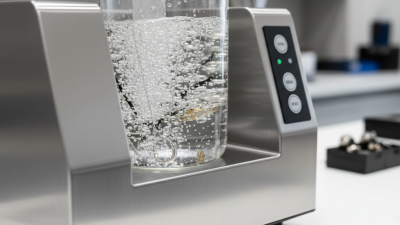
An ultrasonic cleaning system is composed of several key components. The most notable is the ultrasonic tank, typically made from stainless steel. This tank holds the cleaning solution. When activated, ultrasonic transducers produce high-frequency sound waves. These waves create millions of microscopic bubbles in the liquid, a process known as cavitation. The bubbles collapse with great energy, resulting in tiny implosions. This action effectively cleans surfaces of items placed in the tank.
Another essential element is the control unit. It regulates the operation of the transducers and the heating element. This ensures that the cleaning process is efficient and temperature is optimal. Some systems come with timers to adjust cleaning duration, which can be crucial for delicate items. A filtration system may also be included, helping to keep the solution clean for repeated use.
It's interesting to note the importance of using the right cleaning solution. Some solutions may not work effectively in every scenario. Testing different mixtures can lead to better results. The equipment might require regular maintenance to function properly. Without it, the cleaning efficiency can diminish over time. Understanding these components and their functions can lead to smarter cleaning approaches.
Applications of Ultrasonic Cleaners in Various Industries
Ultrasonic cleaners are versatile tools used across various industries. In healthcare, they clean surgical instruments by removing blood, grime, and other contaminants effectively. Studies indicate that ultrasonic cleaning reduces bacterial loads by up to 99.9%, making it crucial in maintaining sterile environments. In the jewelry sector, these cleaners restore shine to intricate pieces without damaging delicate settings.
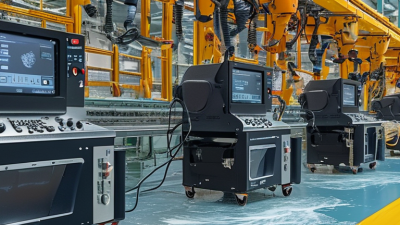
Manufacturing industries also benefit significantly. Ultrasonic cleaners effectively remove stubborn residues from parts and tools, improving overall efficiency. According to a report by the National Institute of Standards and Technology, ultrasonic cleaning can reduce manual labor by 30%. This is particularly significant in automotive manufacturing, where precision is vital for quality.
When using ultrasonic cleaners, ensure the right frequency is matched to the material being cleaned. Consider cleaning solutions too; water-based solutions often yield the best results. Regular maintenance of cleaning equipment is essential, as neglect can lead to reduced performance. Always monitor the cleaning process; not all items respond the same way to ultrasonic cleaning.
Ultrasonic Cleaner Applications in Various Industries
Benefits and Limitations of Using Ultrasonic Cleaners
Ultrasonic cleaners utilize high-frequency sound waves to generate tiny bubbles in a cleaning solution. These bubbles implode upon contact with surfaces, effectively removing dirt and grime. This technology allows deep cleaning of intricate parts, such as jewelry, medical instruments, and delicate machinery components. Many users appreciate the thoroughness of ultrasonic cleaners, as they can penetrate hard-to-reach areas that traditional cleaning methods might miss.
However, ultrasonic cleaners have limitations. Not all materials are suitable for ultrasonic cleaning. Certain plastics or porous materials may be damaged by the intense vibrations. Additionally, some users find the need to pre-clean heavily soiled items before ultrasonic cleaning. Inconsistency in results can also occur, particularly with complex shapes or if the cleaning solution is not optimal. Understanding these aspects is crucial for achieving the best outcomes with ultrasonic cleaning. Users should evaluate their cleaning needs and the materials involved to ensure they harness the full potential of this technology without risking damage.