Top Ultrasonic Cleaning Machines for Global Buyers Today?
In today’s fast-paced industrial landscape, the demand for ultrasonic cleaning machines is surging. According to a recent market research report by Grand View Research, the ultrasonic cleaning market is projected to reach $1.76 billion by 2025, demonstrating a compound annual growth rate (CAGR) of 4.5%. With industries ranging from manufacturing to healthcare increasingly recognizing the efficiency of ultrasonic technology, these machines have become essential tools for achieving high cleaning standards.
Expert Dr. Emily Harris, a leading consultant in the ultrasonic cleaning industry, emphasizes, “The adoption of ultrasonic cleaning machines is not just a trend; it's a necessity for optimizing maintenance processes.” This highlights the growing reliance on advanced ultrasonic cleaning solutions to deliver superior cleanliness levels. Despite the increased sales and popularity, some users still face challenges in selecting the right machine for their specific needs. There is a need for careful consideration of factors like frequency, power, and tank size.
Potential buyers should remain vigilant. It’s crucial to assess the reliability of manufacturers and their offerings. The ultrasonic cleaning machine market does have variations in quality and performance, which can lead to misconceptions. Understanding the intricacies of ultrasonic technology ensures that informed decisions are made for long-term investment.
Overview of Ultrasonic Cleaning Technology and Its Applications
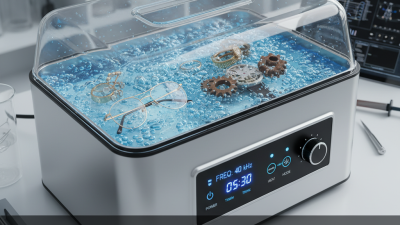
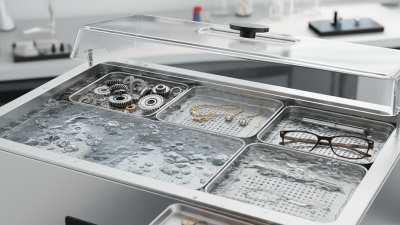
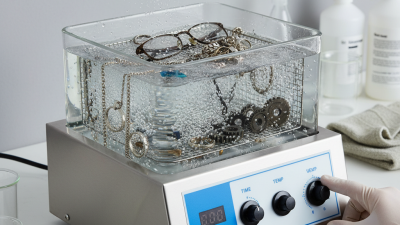
Ultrasonic cleaning technology utilizes high-frequency sound waves to create cavitation bubbles in a cleaning solution. These bubbles implode, generating intense scrubbing action that penetrates intricate surfaces. This method effectively removes contaminants from various materials, including metals, plastics, and ceramics. The process is gentle yet powerful, making it suitable for delicate items like jewelry, lenses, and surgical instruments.
In various industries, ultrasonic cleaners enhance cleaning efficiency. They are widely used in healthcare for sterilization. Laboratories rely on them for cleaning sensitive equipment. Automotive sectors benefit from ultrasonic cleaning to maintain precision parts. However, users must consider the compatibility of materials and cleaning agents. Not all items withstand ultrasound, and improper use may lead to damage. Therefore, understanding the technology's limits is crucial.
Cleaning is essential, yet sometimes overlooked. Companies may invest in advanced technology but neglect proper training. Users must be educated about their equipment to maximize effectiveness. The potential for error reminds us that attention to detail is paramount. Balancing advanced cleaning methods with practical knowledge ensures optimal results.
Criteria for Selecting the Best Ultrasonic Cleaning Machines
When selecting the best ultrasonic cleaning machines, consider your specific needs. Look for models that match the size and type of items you will clean. Consider features like frequency settings, tank capacity, and heating options. Each factor contributes to cleaning efficiency.
Tips: Always check customer reviews. They provide insights into real-world performance. You may discover issues not mentioned in manuals.
Another important criterion is energy efficiency. Machines that consume less energy can save costs over time. Also, think about the cleaning solutions compatible with the machines. Some may require specific types for optimal results. Experimentation may be necessary to find the perfect match.
Lastly, assess the machine's build quality. Durable materials ensure longevity. However, consider that no machine is perfect. Maintenance is crucial to keep it functioning well. Regular cleaning and part checks can prevent downtime.
Top Ultrasonic Cleaning Machines Available for Global Buyers
In recent years, ultrasonic cleaning machines have gained significant traction in various industries. These machines utilize high-frequency sound waves to create microscopic bubbles, effectively removing dirt and contaminants. The global market for ultrasonic cleaners is projected to reach $2 billion by 2025, reflecting the growing demand across sectors such as healthcare, automotive, and jewelry.
One of the main advantages of ultrasonic cleaning is its ability to reach intricate details. For instance, the tiny parts of surgical instruments are often challenging to clean manually. Ultrasonic cleaners can penetrate hard-to-reach areas, ensuring thorough sanitation. However, not all machines perform equally. Factors such as frequency and tank size greatly impact cleaning efficiency.
While ultrasonic cleaning is effective, there are considerations for users. The cleaning solution's compatibility plays a critical role. Some solutions may damage sensitive materials. Additionally, noise levels can vary significantly among models. Users often need to balance effectiveness with acceptable noise output. Hence, it is essential for buyers to assess these factors before making a decision.
Top Ultrasonic Cleaning Machines for Global Buyers
This chart showcases important features of top ultrasonic cleaning machines that are available for global buyers. The dimensions include frequency, tank capacity, power consumption, and price, offering a comprehensive comparison for informed decision-making.
Comparative Analysis of Features and Prices of Popular Models
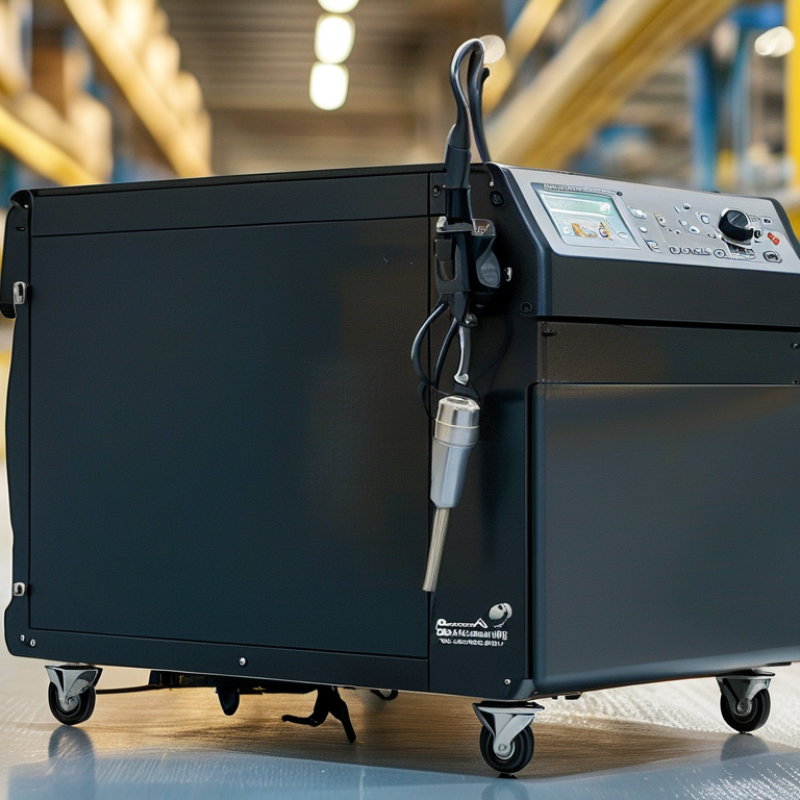
In the world of ultrasonic cleaning machines, understanding features and prices is crucial. Buyers should look for specific qualities, such as tank capacity and frequency settings. These factors affect cleaning effectiveness. Models typically range from compact desktop units to larger industrial machines. Price varies significantly based on capacity and features. A basic model may cost less, but lacks advanced settings that enhance performance.
When comparing different machines, consider durability and ease of use. Some models have user-friendly interfaces, making them ideal for beginners. Others offer advanced features, appealing to professionals in various industries. It's essential to balance price with functionality. Sometimes, a higher-priced model may provide long-term savings through efficiency and durability.
However, purchasing requires careful consideration. Buyers may feel overwhelmed by choices in the market. It's important to evaluate whether the features are necessary for their specific applications. An ideal ultrasonic cleaner should meet immediate needs without unnecessary extras that inflate costs. Reflecting on personal experience can further guide decision-making, ensuring the right machine is chosen.
Top Ultrasonic Cleaning Machines for Global Buyers Today? - Comparative Analysis of Features and Prices of Popular Models
| Model |
Tank Capacity (L) |
Frequency (kHz) |
Heating Power (W) |
Price (USD) |
| Model A |
3.2 |
40 |
200 |
150 |
| Model B |
5.0 |
28 |
300 |
220 |
| Model C |
2.5 |
40 |
150 |
120 |
| Model D |
6.5 |
30 |
400 |
320 |
| Model E |
4.0 |
25 |
250 |
180 |
User Reviews and Feedback on Top Ultrasonic Cleaning Machines
Choosing the right ultrasonic cleaning machine can be challenging. User reviews often highlight varied experiences, influencing the decision-making process. Many customers appreciate machines that effectively remove dirt and grime from various items while others express concerns about noise levels and cleaning times.
When reading feedback, look for common themes. Durability, efficiency, and ease of use tend to resonate with users. Some machines excel at cleaning delicate jewelry, while others are preferred for heavy-duty tasks like automotive parts. However, it's essential to pay attention to reports about inconsistent performance. These insights can guide you away from potential frustrations.
**Tips:** Always read user reviews before purchasing. Specific feedback can reveal hidden advantages or drawbacks. Check if users mention customer service responsiveness, as it may reflect the manufacturer's commitment to quality. Don't overlook the maintenance needs; easy maintenance often translates to better long-term satisfaction.