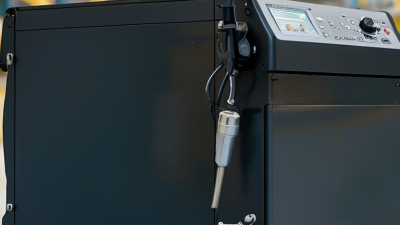
Ultrasonic cleaning has moved from specialist workshops into laboratories, hospitals, electronics plants, and precision manufacturing. A modern Ultrasonic Cleaning System can remove oil films, polishing dust, fingerprints, and trapped particles from complex surfaces. Its performance depends on more than frequency. Tank design, transducer quality, cleaning chemistry, temperature control, filtration, and after-rinse processes all matter.
Professor Kenneth S. Suslick, a leading sonochemistry researcher, has stated, “Ultrasound is not a source of heat, but rather a source of energy.” That distinction helps explain cavitation. Tiny bubbles form and collapse throughout the liquid, reaching recessed areas that brushes may miss. The process can be gentle, but it is not automatically risk-free. Soft coatings, thin wires, porous materials, and poorly selected detergents may suffer damage.
This guide examines the Top 10 Ultrasonic Cleaning System Suppliers Worldwide through practical and technical criteria. These include equipment reliability, ultrasonic uniformity, customization, automation, energy efficiency, safety features, documentation, service coverage, and customer experience. Some suppliers excel in medical cleaning. Others focus on aerospace parts, semiconductor tools, jewelry, or industrial maintenance. No supplier is perfect. A large global brand may offer strong support but slower customization. A smaller specialist may respond faster but provide fewer regional service centers. That trade-off deserves attention. Readers should also verify local certifications, installation requirements, wastewater procedures, and material compatibility before purchasing. The list is intended to support informed comparison, not replace a proper cleaning validation. A shiny tank proves little. Consistent results matter.
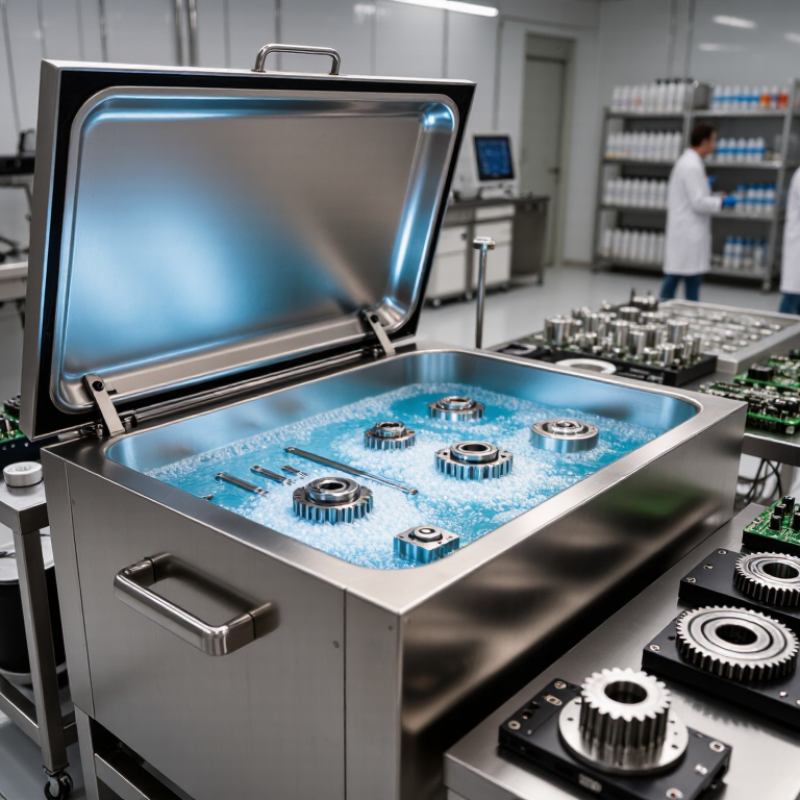
An ultrasonic cleaning system uses sound waves to remove dirt from hard-to-reach surfaces. It usually includes a tank, generator, transducers, basket, and controlled cleaning solution. The generator sends electrical energy to the transducers. The transducers convert it into high-frequency sound. This sound travels through the liquid and creates countless microscopic bubbles.
The bubbles grow and collapse rapidly. This action is called cavitation. Their small shock waves loosen oil, dust, polishing residue, and trapped particles from grooves, holes, and complex shapes. Frequency matters. Lower frequencies create stronger bubbles, while higher frequencies provide gentler cleaning for delicate components. Heat and suitable detergent can improve results, but excessive temperature may damage materials or reduce chemical performance. Degassing the fresh solution also helps the system work more consistently.
In practical operation, parts should remain fully immersed and separated inside a basket. Direct contact with the tank floor can reduce cleaning efficiency. Blind holes may still retain contamination. That is an important limitation. Operators should inspect sample parts, adjust cleaning time, and record temperature and frequency settings. Ultrasonic cleaning is not magic. Poor solution maintenance, overloaded baskets, or unsuitable chemistry can produce uneven results. Reliable suppliers should explain these variables clearly and provide measurable operating guidance.
Comparing global ultrasonic cleaning suppliers requires more than checking tank size or purchase price. Examine operating frequency, ultrasonic power, heating accuracy, and basket capacity. A 40 kHz system may suit general metal parts, while delicate components can require gentler cavitation. Ask suppliers to clean your actual parts, not a similar sample. Inspection under magnification can reveal residue that a quick visual check misses.
Technical documentation shows whether a supplier understands process control. Look for clear information on transducer placement, power density, temperature limits, cycle settings, and solution compatibility. Reliable suppliers explain how they measure cleaning results. They should provide validation records, maintenance schedules, training materials, and traceable test data. Certifications can support credibility, but they do not replace performance evidence. The machine still needs to work consistently on Tuesday morning.
Service capability matters across borders. Compare response times, local technicians, spare-part availability, remote diagnostics, and warranty conditions. Ask who supports installation after delivery. Energy use also deserves attention, especially when the system operates for several shifts daily. A polished quotation may hide expensive heaters, weak documentation, or difficult software updates. This is easy to overlook. Supplier references should include similar production volumes and materials.
Some evaluations become too focused on impressive specifications. That approach can fail. A smaller system with stable control may outperform a larger unit with uneven cavitation. Leave room for uncertainty, and record every test condition, including bath age, temperature, load weight, and drying method. Fair comparisons become more useful when suppliers receive identical requirements and realistic acceptance criteria.
The top 10 ultrasonic cleaning system suppliers worldwide are judged by more than sales reach. Reliable suppliers combine stable cavitation, accurate temperature control, and practical service support.
Their systems may serve laboratories, medical manufacturing, electronics, aerospace, and precision engineering.
Each application needs a different tank size, frequency range, basket design, and drying method.
A trustworthy supplier should provide test cleaning, process documentation, and clear maintenance guidance.
Ask for results using your actual parts, soil type, detergent, and production volume. This reveals performance gaps that brochures often hide.
Look for traceable components, operator training, spare-part availability, and responsive technical support.
Independent certifications can help, but they do not replace hands-on validation.
Some systems appear efficient during demonstrations yet struggle with blind holes or dense loading.
That detail deserves attention.
Tips: Request a written cleaning specification before comparing the top 10 suppliers. Check sound levels, energy use, drain design, and chemical compatibility. Measure cleaning results after repeated cycles, not just one trial. Keep photographs and test records. A small oversight can become expensive. Reconsider rankings when a supplier avoids difficult questions.
Leading ultrasonic cleaning system suppliers serve industries where small residues can affect safety, performance, or product life. Medical device manufacturers use ultrasonic baths to remove machining oils, polishing compounds, and biological residue from complex instruments. Aerospace factories clean turbine components, fuel-system parts, and precision fasteners. These applications often require documented cycles, controlled water quality, and traceable maintenance records.
Automotive suppliers apply ultrasonic cleaning to fuel injectors, transmission parts, brake components, and electric-drive assemblies. Electronics manufacturers use it for circuit boards, connectors, sensors, and semiconductor tooling. Frequency selection matters. Lower frequencies can provide stronger cleaning action, while higher frequencies may better protect delicate surfaces. Temperature, detergent concentration, loading density, and rinsing also influence results. A clean-looking part is not always a technically clean part.
Other users include optical manufacturers, laboratories, watchmakers, energy-equipment producers, and metal fabricators. Optical parts may need gentle cleaning and careful drying to prevent spotting. Small workshops often choose compact systems, while large factories may require automated transfer, filtration, and drying modules. Supplier engineers usually review part geometry, contamination type, production volume, and material compatibility before recommending equipment. That step is essential. Still, no system fits every process. A pilot trial may reveal dead zones, trapped air, or surface damage that specifications fail to predict. Operators should verify cleanliness with suitable inspection methods rather than relying only on appearance.
| Rank | Supplier Code | Primary Market Region | Main Industry Focus | Typical Applications Served | Common System Types | Typical Operating Frequencies | Common Tank or System Scale | Common Technical and Compliance Requirements | Typical Customer Profile |
|---|---|---|---|---|---|---|---|---|---|
| 1 | Supplier A | North America | Aerospace Medical devices Precision engineering | Removal of machining oils, polishing compounds, metal chips, biological residues, and particulate contamination from precision components. | Multi-stage aqueous cleaning lines, immersion tanks, spray-assisted ultrasonic systems, rinsing stations, and hot-air drying units. | 20–40 kHz for heavy cleaning; 40–80 kHz for precision parts | Small laboratory tanks to production systems exceeding 1,000 L per stage | Traceability, process validation, documented chemical control, stainless-steel construction, and integration with cleanroom or controlled-environment procedures. | Aircraft component manufacturers, contract medical-device manufacturers, and high-precision machining companies. |
| 2 | Supplier B | Western Europe | Automotive Powertrain Industrial components | Cleaning engine parts, transmission components, fuel-system parts, hydraulic elements, bearings, and machined castings before assembly or coating. | Conveyorized systems, rotary-basket machines, batch systems, ultrasonic wash-and-rinse lines, and combined ultrasonic and spray equipment. | 20–40 kHz, with higher frequencies available for smaller components | Batch systems from approximately 50 L to automated lines with several process stages | Production-line automation, recipe control, filtration, oil separation, wastewater management, and compatibility with automotive quality systems. | Tier suppliers, engine-component plants, hydraulic-equipment manufacturers, and industrial subcontractors. |
| 3 | Supplier C | East Asia | Electronics Semiconductors Optics | Removal of flux residues, dust, fine particles, fingerprints, polishing residues, and process chemicals from electronic and optical components. | High-frequency precision tanks, cassette cleaning systems, cleanroom-compatible units, megasonic-capable systems, and automated wet benches. | 40–132 kHz; megasonic systems commonly operate around 700–1,000 kHz | Wafer, cassette, tray, and small-batch systems; modular production lines are also available | Low-particle design, ultrapure-water compatibility, chemical-resistant materials, controlled drying, and cleanroom installation requirements. | Electronics assemblers, optical-component manufacturers, semiconductor support facilities, and research laboratories. |
| 4 | Supplier D | Central Europe | Medical and dental Laboratories Healthcare services | Pre-cleaning and maintenance cleaning of surgical instruments, dental instruments, laboratory glassware, trays, and reusable medical accessories. | Benchtop ultrasonic cleaners, instrument-cleaning units, washer-disinfector pre-cleaning stations, and automated loading systems. | 35–45 kHz for general instrument cleaning | Approximately 2–30 L for point-of-use units; larger central-processing systems are available | Medical-device cleaning protocols, temperature monitoring, cycle documentation, drainage safety, corrosion control, and compatibility with validated detergents. | Hospitals, dental clinics, laboratories, medical-device reprocessors, and healthcare distributors. |
| 5 | Supplier E | Northern Europe | Industrial maintenance Marine Energy equipment | Cleaning valves, pumps, heat-exchanger parts, filters, tools, marine components, and maintenance parts contaminated with grease, scale, or carbon deposits. | Heavy-duty immersion tanks, lifting-basket systems, mobile cleaners, oil-skimming units, and systems with filtration and recirculation. | 20–40 kHz for heavy contamination | Approximately 100–2,000 L tanks, with custom systems for oversized components | Chemical-resistant tank materials, operator safety controls, lifting provisions, ventilation, wastewater handling, and industrial electrical protection. | Repair workshops, shipyards, power-generation facilities, service centers, and industrial maintenance departments. |
| 6 | Supplier F | South Asia | Jewelry Metal finishing Small manufacturing | Cleaning jewelry, watch parts, plated components, precision tools, molds, and small metal parts before polishing, plating, or final inspection. | Compact benchtop units, multi-tank jewelry systems, basket cleaners, heated ultrasonic baths, and units with filtration or drying options. | 35–45 kHz for general-purpose cleaning | Approximately 1–100 L, primarily for batch processing | Temperature control, timer functions, compatible detergent selection, corrosion protection, safe drainage, and low-noise operation for workshop environments. | Jewelry workshops, plating companies, watch-service centers, tool rooms, and small-to-medium manufacturers. |
| 7 | Supplier G | Southeast Asia | Food processing Packaging General manufacturing | Cleaning filling components, packaging tools, production fixtures, cutting parts, removable machine components, and stainless-steel accessories. | Heated tank systems, multi-stage cleaning lines, ultrasonic baskets, spray-rinse combinations, and integrated drying systems. | 25–40 kHz for robust industrial components | Approximately 50–1,500 L depending on part size and production volume | Hygienic design, cleanable surfaces, drainability, food-contact material considerations, controlled detergent dosing, and water-management provisions. | Food-equipment manufacturers, packaging plants, filling-line operators, and general industrial production sites. |
| 8 | Supplier H | Middle East and Africa | Oil and gas Petrochemical Field service | Cleaning valves, nozzles, filters, drilling tools, hydraulic components, instrumentation parts, and maintenance assemblies exposed to oil or scale. | Large immersion tanks, skid-mounted systems, hazardous-area adaptations, oil-separation units, and mobile service equipment. | 20–40 kHz for deposits, grease, and industrial contamination | Approximately 200–3,000 L; custom units may accommodate large service components | Hazard assessment, grounding, ventilation, spill containment, chemical compatibility, operator protection, and site-specific electrical requirements. | Refineries, drilling-service companies, petrochemical plants, pipeline operators, and industrial repair contractors. |
| 9 | Supplier I | Latin America | Agricultural machinery Heavy equipment Repair services | Cleaning injectors, hydraulic valves, carburetor parts, bearings, tools, filters, and service components contaminated with oils, grease, or soil. | Workshop tanks, mobile units, basket systems, heated cleaning baths, and systems with filtration or oil separation. | 25–40 kHz for general maintenance cleaning | Approximately 30–1,000 L for workshop and service-center applications | Robust construction, accessible maintenance, electrical safety, detergent compatibility, wastewater handling, and easy loading for heavy parts. | Agricultural-equipment dealers, fleet maintenance centers, machinery repair shops, and heavy-equipment service providers. |
| 10 | Supplier J | Global Export Market | Research and development Education General laboratory use | Cleaning laboratory glassware, sample holders, small instruments, analytical accessories, prototypes, and components used in research or testing. | Benchtop units, digital ultrasonic baths, compact multi-frequency systems, and laboratory units with heating and sweep-frequency control. | 35–80 kHz depending on part geometry and contamination level | Approximately 1–80 L for laboratory and prototype work | Temperature and timer control, reproducible operating settings, stainless-steel construction, low-noise operation, and laboratory electrical safety. | Universities, research institutes, analytical laboratories, prototyping facilities, and technical training centers. |

Selecting an ultrasonic cleaning system supplier requires more than comparing advertised tank sizes. Grand View Research valued the global ultrasonic cleaning market at about USD 1.8 billion in 2023, with continued growth expected through 2030. That expansion attracts capable manufacturers, but also creates uneven claims. Ask for test data using your actual parts, soil type, cleaning chemistry, temperature, and cycle time. A polished demonstration is not enough.
Look for suppliers with documented engineering experience in your industry. Their technical team should explain frequency, acoustic power, tank loading, filtration, drying, and process monitoring in practical terms.
Request factory acceptance records, calibration procedures, maintenance intervals, and failure-response times. ISO 9001 certification can support quality controls, while sector-specific validation may be necessary for medical, aerospace, or precision manufacturing applications. Check references from facilities with similar materials and production volumes.
Market estimates do not always agree. MarketsandMarkets reported a different global valuation and growth forecast from Grand View Research, partly because analysts define the market differently. That difference matters. It reminds buyers to test assumptions, not repeat numbers.
Compare total ownership cost, including water treatment, electricity, replacement transducers, labor, and downtime. Ask whether remote support is genuinely available. It often is not. A supplier willing to record cleaning results and discuss failed trials may be more reliable than one promising perfect performance. Insist on measurable acceptance criteria before signing.