Top 10 Lab Water Purification Systems for Global Buyers?
In the world of scientific research, water purity is crucial. The selection of a reliable Lab Water Purification System can greatly impact experimental outcomes. High-quality water ensures accurate results and consistent performance of analytical instruments. Yet, with numerous options available, choosing the right system can be overwhelming.
Many factors need consideration—cost, maintenance, and specific purification needs are just a few. Each lab has unique requirements that dictate the type of water purification needed. Moreover, not every system performs equally well under various conditions. Some products may boast cutting-edge technology, but do they deliver as promised?
In this guide, we will explore the top ten Lab Water Purification Systems. By evaluating features and user feedback, we aim to provide insights that can help simplify your decision-making process. Remember, the goal is not just to have purified water, but to ensure it meets your lab’s specific demands for reliable and reproducible results.
Overview of Lab Water Purification Systems
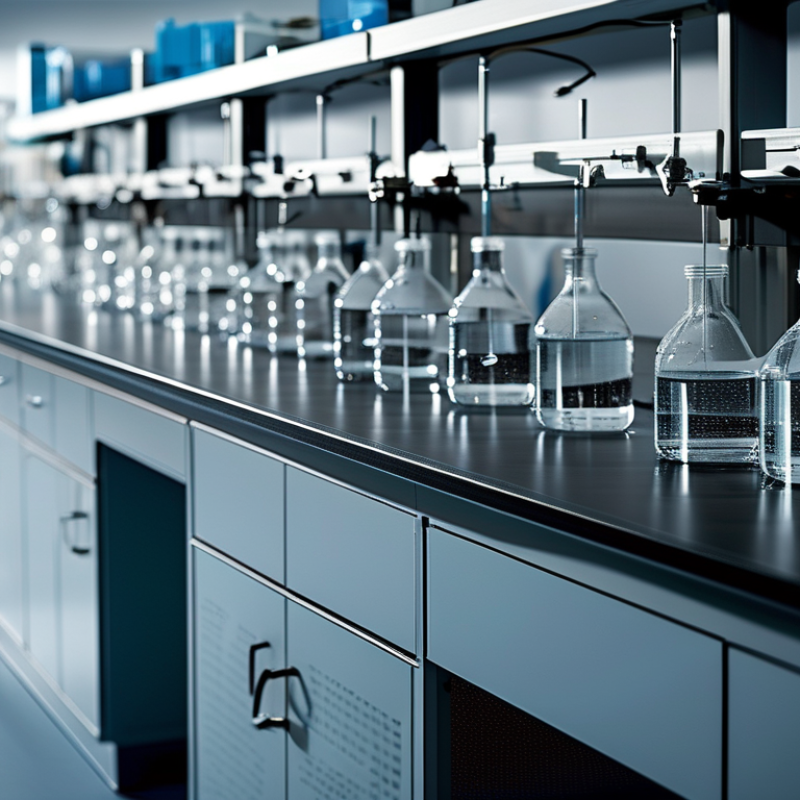
Laboratories require high-quality water for various applications. Water purification systems are critical in achieving this standard. A comprehensive overview reveals the essential components and functions of these systems. Most lab water purification systems include various filtration and treatment methods. These methods ensure contaminants are removed effectively, enabling reliable results in experiments.
Each system serves a different purpose. Some might focus on removing specific impurities, while others provide ultrapure water for sensitive tests. Reverse osmosis and deionization are popular methods employed in these systems. While these techniques are effective, they also have limitations. For instance, regular maintenance is crucial to ensure optimal performance. Failure to replace filters can lead to compromised water quality.
Understanding the nuances of water purification is essential. Not every system suits every lab environment. Factors such as sample type, testing frequency, and even geographic location can influence the choice. A system that works well in one lab might not fit another's needs. carefulevaluation is necessary to select the right purification technology. Prioritizing user needs and knowledge will lead to better decision-making in the long run.
Importance of Water Purity in Laboratory Settings
In laboratory settings, water purity is paramount for accurate results. Contaminated water can alter experimental outcomes. Impurities may affect chemical reactions, leading to unreliable data. Researchers often rely on high-quality water for sensitive analyses. Any deviation in purity can result in significant errors.
Regular testing of water quality is essential. Contaminants can come from various sources, including the environment and laboratory equipment. Therefore, implementing a robust purification system is critical. It ensures that the water used is devoid of harmful substances. This promotes the integrity of experiments and enhances reproducibility in research.
However, choosing the right purification system can be challenging. Different labs have distinct needs. Some may require ultra-pure water, while others need only specific contaminant removal. Understanding these requirements takes time. Researchers must continually assess their purification methods for efficiency and reliability. While many solutions exist, not all are perfect. Evaluation and adaptation are vital.
Criteria for Selecting Water Purification Systems
Selecting the right water purification system is crucial for laboratories. Efficiency and reliability are key factors. According to a 2022 industry report, 35% of laboratories reported issues with contaminant removal effectiveness. This underscores the need for thorough evaluation.
Another vital criterion is sourcing information from authoritative sources. Peer-reviewed studies can provide insights into system performance. Data shows that systems with advanced filtration methods, such as reverse osmosis, often have higher removal rates for bacteria and viruses. It's important to assess performance over time, as some systems degrade rapidly, losing efficacy.
Cost is also a common concern. A recent survey indicated that 50% of buyers prioritize affordable options without compromising quality. However, low-cost systems may require more frequent replacements, ultimately increasing expenses. Balancing initial investment against long-term sustainability is essential. Such considerations influence lab water quality and research outcomes significantly.
Detailed Review of the Top 10 Lab Water Purification Systems
Choosing the right lab water purification system is essential for any research facility. Water quality can affect experimental outcomes significantly. A good purification system removes contaminants effectively, ensuring reliability in tests and processes.
Many systems focus on different purification methods, such as reverse osmosis, distillation, or deionization. Each method has its strengths, like removing various impurities. Still, they also come with limitations and require regular maintenance. Users must invest time to assess their specific requirements.
When evaluating these systems, consider factors like flow rate, maintenance needs, and total cost of ownership. In addition, think about the installation process. Some systems may be complex and require professional help, which can add to the overall expense. Users should reflect on their long-term needs versus immediate budget constraints. Ultimately, constant evaluation of system performance and updates on technologies can drive better water quality in lab settings.
Top 10 Lab Water Purification Systems for Global Buyers
| System No. |
Purification Type |
Flow Rate (L/h) |
Final Water Quality (µS/cm) |
Applicable Standards |
Maintenance Frequency |
Price Range (USD) |
| 1 |
Reverse Osmosis |
50 |
0.1 |
ASTM D1193 |
6 Months |
2000 - 3000 |
| 2 |
Distillation |
30 |
0.5 |
Eurachem |
Annually |
1500 - 2500 |
| 3 |
Deionization |
40 |
1.0 |
ISO 3696 |
3 Months |
1000 - 2000 |
| 4 |
Ultrafiltration |
25 |
0.3 |
EPA |
6 Months |
1200 - 2200 |
| 5 |
Microfiltration |
35 |
5.0 |
ISO 15839 |
4 Months |
800 - 1800 |
| 6 |
UV Purification |
20 |
0.2 |
WHO |
Annually |
600 - 1500 |
| 7 |
Carbon Filtration |
45 |
2.0 |
ANSI/NSF |
6 Months |
500 - 1200 |
| 8 |
Hybrid Systems |
60 |
0.05 |
AAMI |
3 Months |
3000 - 5000 |
| 9 |
Point of Use |
15 |
1.5 |
NSF 61 |
Annually |
400 - 1000 |
| 10 |
Inline Filtration |
10 |
3.0 |
ANSI/NSF |
6 Months |
300 - 800 |
Trends and Innovations in Water Purification Technology
Water purification technology is evolving rapidly to meet global demands. Recent reports indicate the market is projected to grow at a CAGR of 7.5% by 2026. Innovations in filtration methods, such as membrane bioreactors and advanced oxidation processes, enhance efficiency. These breakthroughs address concerns over contaminants in water, such as heavy metals and microplastics.
Research highlights a shift towards smart purification systems, integrating IoT technology. These systems enable real-time monitoring and data analysis for better water quality management. Moreover, the focus on environmental sustainability drives the use of renewable materials in water purifiers. However, challenges remain in ensuring affordability and accessibility for all users.
As technologies advance, reliance on traditional methods may decline. Yet, the need for comprehensive studies on their long-term impacts is crucial. Users and manufacturers should reflect on balancing innovation with sustainable practices. Ensuring safe, clean water remains a global priority. Addressing variations in regional water quality is essential for creating effective solutions.