How to Choose the Best Ultrasonic Cleaning System for Your Needs?
When it comes to selecting the best Ultrasonic Cleaning System for your needs, expert insights can be invaluable. Dr. Emily Carter, a renowned expert in industrial cleaning technologies, once stated, “The right ultrasonic cleaner can transform your cleaning process and save you time and resources.” This highlights the significant role that an effective ultrasonic cleaning solution can play in various industries.
Choosing an Ultrasonic Cleaning System is not a one-size-fits-all process. Different applications require different features. For example, the size of components, cleaning solutions, and the level of contamination all play a role in making the best choice. A system that works well for one industry may not meet the demands of another.
Moreover, potential buyers often overlook details such as frequency ranges and tank design. These can have a substantial impact on cleaning efficiency. It is essential to consider your specific cleaning challenges. The wrong choice can lead to frustrations and unmet expectations. Finding an Ultrasonic Cleaning System tailored to your needs requires time and careful evaluation. Conducting research and consulting experts can greatly assist in making a well-informed decision.
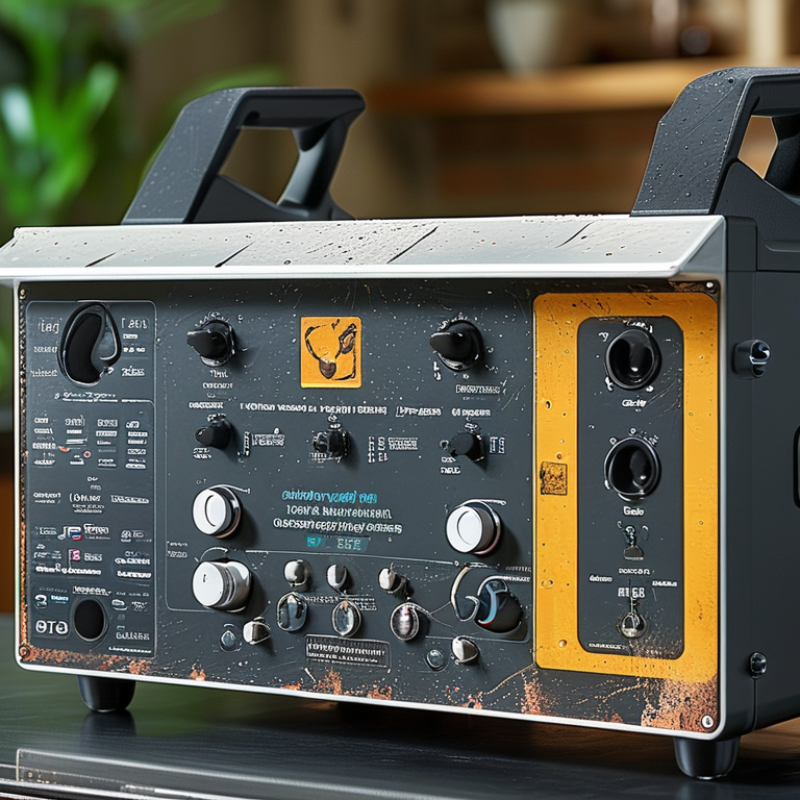
Factors to Consider When Choosing an Ultrasonic Cleaning System
Choosing the right ultrasonic cleaning system requires careful consideration of several factors. One key aspect is the frequency of the ultrasonic waves. Systems typically operate between 20 kHz to 40 kHz. Lower frequencies are effective for heavy-duty cleaning, while higher frequencies are useful for delicate items. A balanced choice based on your cleaning needs is essential.
Tank size is another vital factor. Reports show that about 60% of users underestimate the size they need. Selecting a tank too small can lead to inefficient cleaning. Think about the dimensions of the items you’ll clean. It’s essential to assess both the physical size and the volume of the items to ensure optimal use of the system.
Tip: Always check the production capacity of the ultrasonic cleaner. A model with a larger capacity can save time, especially for industrial applications.
Additionally, consider the cleaning solution compatibility. Different materials require specific solvents to avoid damage. Research indicates that improper solutions can lead to dissatisfaction in 30% of users. Testing a small area first can prevent costly mistakes. Make sure to factor in the long-term availability of appropriate cleaning agents.
Tip: Clear documentation of your needs can aid in communication with suppliers. Providing detailed specifications helps in finding the best system for your operation.
Types of Ultrasonic Cleaners and Their Applications
When exploring ultrasonic cleaners, it’s essential to understand the different types and their specific applications.
Industrial ultrasonic cleaners are robust machines designed for heavy-duty tasks. They effectively clean complex parts, like automotive components and heavy machinery. Their powerful transducers generate strong cavitation bubbles, breaking down tough contaminants.
On the other hand, bench-top ultrasonic cleaners serve more precise needs. These units are perfect for cleaning delicate items such as jewelry and eyeglasses. They usually operate at lower frequencies, ensuring gentle yet effective cleaning. These cleaners often feature a variety of settings to accommodate different materials, making them versatile for various applications.
Choosing the right type of ultrasonic cleaner can feel overwhelming. Consider the materials you’ll be cleaning. Some cleaners may not be suitable for certain metals or plastics. Look into your specific cleaning needs. Will you be dealing with heavy grease or fine dust? A clear understanding of these factors will guide you towards the best choice for your cleaning tasks.
Understanding Frequency and Power Settings for Optimal Cleaning
When it comes to ultrasonic cleaning systems, understanding frequency and power settings is crucial for achieving the best results. The frequency of the sound waves directly influences how effectively contaminants are removed. Higher frequencies, typically above 40 kHz, are suited for delicate items, such as jewelry and electronic components. They create smaller bubbles that clean without damaging sensitive surfaces. On the other hand, lower frequencies, like 25 kHz, are better for tougher debris. They generate larger bubbles that provide aggressive cleaning action for industrial applications.
Power settings also play a significant role in cleaning efficacy. More powerful systems can expedite the cleaning process, especially for heavily soiled items, but they can risk damaging delicate objects. It's important to start with a lower power setting when dealing with sensitive materials. Careful experimentation may be needed to find the right balance. A mindset of trial and reflection can often lead to surprising discoveries in cleaning efficiency. Too much power can sometimes lead to unintended consequences.
Deciding on the right frequency and power means understanding your unique cleaning needs. Factors like the material, surface finish, and type of contaminants should also inform your choice. While experienced users may have preferences, ongoing assessment remains key. Every cleaning situation can present different challenges, requiring adjustment and refinement of your approach. Being open to exploration can ultimately enhance your cleaning outcomes.
Evaluating Tank Size and Material for Specific Cleaning Needs
When choosing an ultrasonic cleaning system, tank size and material are crucial factors.
The size of the tank should match the items you plan to clean.
Larger items require more space.
If the tank is too small, cleaning may be inefficient.
Evaluate if your components can fit comfortably.
Material also affects performance.
Stainless steel tanks are durable and resistant to chemicals.
However, they can be more expensive.
Some systems use plastic tanks, which may not last as long but are cost-effective.
Think about the frequency of use and types of solutions you will employ for cleaning.
Consider your specific cleaning needs.
Assess the volume of items needing regular cleaning.
A busy workshop may require a larger tank.
A home user might prefer a compact system.
Reflect on how often you'll clean versus the investment you are willing to make.
Balancing size and material choices can help ensure you select an effective and reliable ultrasonic cleaning system.
Budget Considerations and Cost-Effectiveness of Ultrasonic Systems
When selecting an ultrasonic cleaning system, budget is a critical factor. The right system doesn’t always mean the most expensive one. You should assess your cleaning needs first. Some items may require a high-powered unit, while others can be cleaned with a more basic model. Analyze the volume of items you need to clean regularly. This can help determine the capacity and power level required.
Cost-effectiveness is another essential consideration. Investing in an ultrasonic cleaner can save time and labor costs. However, cheap options may lead to unsatisfactory results, requiring more work. Look for systems that offer reliability and durability. Quality machines often come with warranties, adding to their long-term value. Maintenance costs should also be factored into your overall budget. Regular maintenance can prolong the life of your system and maximize its effectiveness.
Balancing your budget with these factors can be challenging. Understanding the long-term benefits of a quality unit versus the immediate savings of a low-cost option requires careful thought. Do your research, and check user reviews for insights on performance and reliability, to ensure that you invest wisely.
Cost-Effectiveness of Ultrasonic Cleaning Systems