Top 10 High Purity Water Purifiers for Your Home Needs?
Access to clean water is vital for health. Many people overlook the importance of a High Purity Water Purifier. This device ensures you drink safe, contaminant-free water. It removes impurities, bacteria, and chemicals. The benefits extend beyond just taste; it promotes overall well-being.
Choosing the right purifier can be overwhelming. Countless brands and models claim to be the best. It’s essential to look for those with high purification standards. Researching their features and certifications can help. Reliable products can significantly improve your water quality. Yet, some purifiers may fall short of expectations.
In this article, we explore the top 10 High Purity Water Purifiers. Each option is evaluated based on effectiveness, design, and user feedback. A balanced approach is crucial when selecting the best device for your home. You'll find options that cater to different needs and budgets. A well-informed choice can enhance your water quality and safeguard your health.
Understanding High Purity Water Purification and Its Benefits
High purity water purification involves removing contaminants to achieve optimal water quality. This process is essential for various home needs, from drinking to cooking and personal hygiene. The benefits are substantial. High purity water is free from harmful substances, leading to better health outcomes. It enhances the taste of beverages and food, making meals more enjoyable.
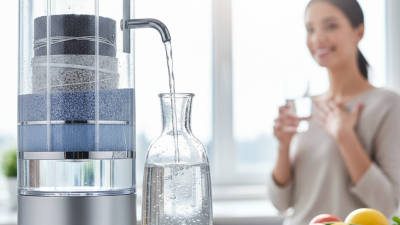
Using a high purity water purifier ensures access to clean water daily. These systems rely on advanced filtration technologies to remove impurities. Many models use multiple stages of filtration, which can significantly improve water quality. However, it's crucial to consider maintenance. Filters need regular replacement, which can be overlooked.
The impact of high purity water extends beyond health. It reduces the presence of chemicals in cooking and personal care products. Some families, however, might underestimate the value of investing in purification systems. Education on water quality can bridge this gap. Every household should evaluate their water source and think critically about their purification needs.
Key Features to Look for in a Home Water Purifier
When selecting a home water purifier, there are several key features to consider. One crucial aspect is the purification method. Common methods include reverse osmosis, UV filtration, and activated carbon. Each method has its advantages, depending on your water source and contamination levels. It's essential to assess your specific needs, as not every method is suitable for all situations.
Another important feature to examine is the filter lifespan and replacement costs. Some filters need frequent changes, while others can last longer, reducing long-term expenses. A user-friendly design enhances usability. Purifiers should allow for easy filter access and clear indicators for maintenance. Size matters, too; consider your kitchen space and water consumption habits.
Look for certifications from reputable organizations. These can indicate adherence to safety and performance standards. Be wary of overly complex systems that may be hard to maintain or understand. Remember, simplicity often leads to reliability. Balancing efficiency, cost, and ease-of-use can be tricky, but it’s worth the effort for your health.
Top 10 High Purity Water Purifiers: An Overview
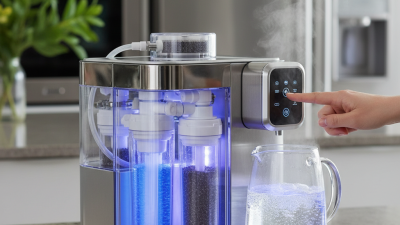
When considering high purity water purifiers for home use, it's essential to understand their function. These devices remove impurities, ensuring cleaner, safer drinking water. Many models utilize advanced filtration technologies to achieve this goal.
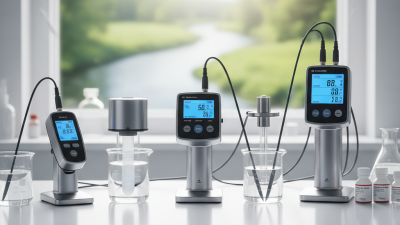
Tips: Assess your water’s quality before purchasing. Testing kits are available online and provide valuable insights. Knowing the contaminants in your water can guide your choice.
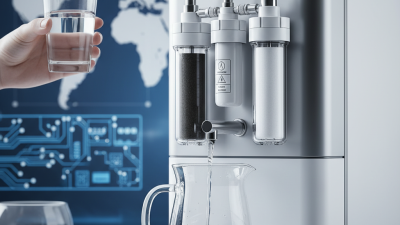
Different purifiers adopt various methods, such as reverse osmosis, UV purification, and activated carbon filters. Each method has distinct advantages and limitations. Researching these options equips you with the knowledge to make an informed decision.
Tips: Look for certifications. Purifiers should meet safety and efficiency standards. Check labels for NSF or ANSI certifications. This adds credibility and reassures you of the product’s reliability.
Some users may find that a high purity water purifier requires regular maintenance. Clogged filters will reduce the efficacy of purification. Understanding upkeep requirements is crucial for long-term use. If ignored, the initial benefits may fade, impacting water quality.
Top 10 High Purity Water Purifiers: Performance Comparison
Comparison of Purification Technologies Used in Water Purifiers
Water purification technologies vary significantly, making it essential to understand your options.
RO (reverse osmosis) is one of the most effective methods. It removes up to 99% of impurities, including heavy metals and salt.
This technology uses a semi-permeable membrane that allows only water molecules to pass through.
A 2020 industry report indicated that RO systems are favored in over 60% of households concerned about water quality.
UF (ultrafiltration) offers another solution. It employs a membrane with larger pores than RO.
This method effectively removes bacteria and particles but does not eliminate dissolved salts.
Recent studies show UF filters can reduce contaminants by approximately 95%.
This makes them suitable for areas with low TDS (total dissolved solids) levels.
UV (ultraviolet) purification works differently. It uses UV light to disinfect water by killing bacteria and viruses.
A noteworthy aspect of UV purification is it requires pre-filtering; particles can shield microorganisms from UV light.
Therefore, combining it with filters like UF or carbon can enhance its effectiveness.
Understanding these nuances can help consumers choose the right system tailored to their water quality needs.
User Reviews and Ratings of the Top Water Purifiers
Choosing the right water purifier for your home can feel overwhelming. Many homeowners turn to user reviews to guide their decision. These reviews offer firsthand insights into performance and reliability. Customers often highlight features that matter most, like filtration effectiveness and ease of use.
Common feedback includes not just praise but also criticism. Some users report inconsistent water quality over time. Others mention the maintenance costs that can add up. It's crucial to consider how often you'll need to change filters. A system might seem affordable initially, but long-term costs can differ significantly.
The ratings reveal trends in user satisfaction. Purifiers with high ratings often excel in removing contaminants. Yet, even top-rated options can have drawbacks. Users frequently note that a compact design sometimes sacrifices capacity. Reflecting on these experiences can lead you to a more informed choice. Always weigh pros and cons before making any commitment.