Choosing the best Dissolved Oxygen Meter from China requires more than comparing prices and screen sizes. Global buyers need reliable measurements in aquaculture tanks, wastewater plants, laboratories, and natural water studies. A suitable meter should provide stable readings, practical calibration, durable probes, and clear operating instructions. It should also match the working environment.
Small details matter. A probe cable that cracks near the connector can stop fieldwork quickly. A bright display helps technicians read values beside a pond at noon. Automatic temperature compensation improves consistency, but it cannot replace proper calibration. Buyers should examine measurement ranges, response time, IP ratings, battery life, data storage, and replacement sensor availability. Certification documents and factory quality records also deserve careful review.
The “best” model is rarely universal. A laboratory may prioritize precision and repeatability. A fish farm may need waterproof housing and simple maintenance. Industrial users may require data logging, export functions, and dependable technical support. In practical evaluations, suppliers should explain calibration procedures rather than only present impressive specifications. That builds confidence.
Not every product performs equally well in every condition. This is easy to overlook. A low-cost meter may appear attractive until its membrane requires frequent replacement. Some manuals are also less clear than expected. Buyers should request samples, test support response, and verify readings against a trusted reference method before placing large orders. With careful supplier assessment, Chinese manufacturers can offer capable instruments, competitive value, and useful customization for global applications.
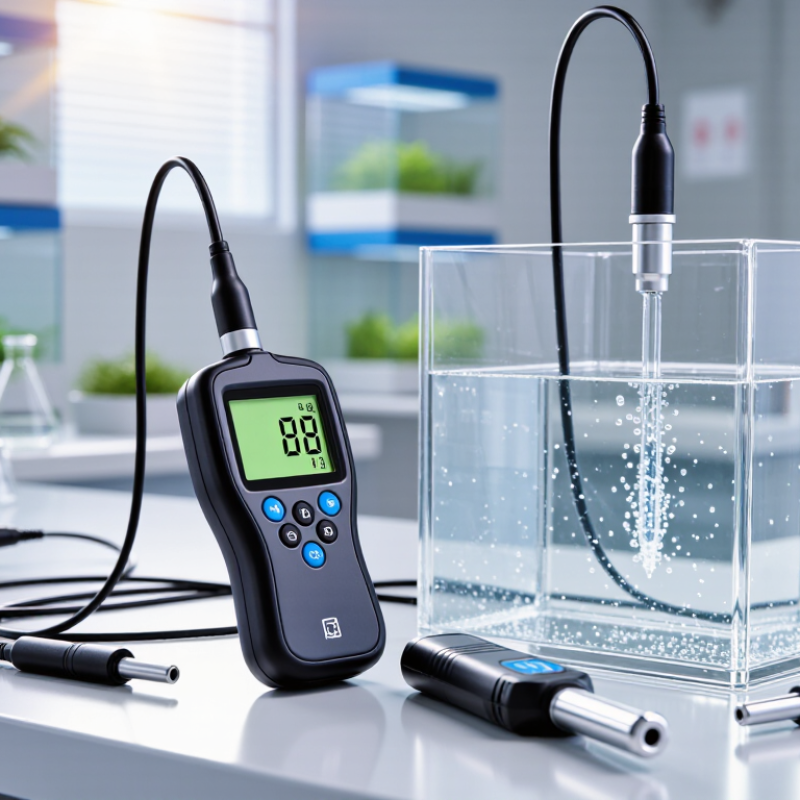
A dissolved oxygen meter measures the oxygen available in water, usually in milligrams per liter (mg/L) or percent saturation. It helps evaluate aquatic health, wastewater performance, aquaculture conditions, and biological activity. Most instruments use either an electrochemical probe or an optical sensor. Optical probes generally need less membrane maintenance, while electrochemical probes can offer practical value when properly serviced.
The numbers matter. The USGS Water Science School notes that oxygen below 5 mg/L can stress aquatic organisms, while levels below 2 mg/L may create hypoxic conditions. The US EPA’s Volunteer Stream Monitoring: A Methods Manual identifies approximately 5–8 mg/L as a common healthy range for many streams. These are useful benchmarks, not universal rules. Water temperature, altitude, salinity, organic pollution, and flow can change the interpretation. A warm pond at dawn may show a very different reading from the same pond at mid-afternoon.
For global buyers comparing China-made meters, sensor stability matters more than a low purchase price. Look for automatic temperature compensation, calibration records, replaceable sensing parts, and clear accuracy data. Field users should rinse the probe, remove air bubbles, and wait for a stable reading. Small mistakes remain common. Even a clean display cannot repair poor sampling. Reports from the USGS and EPA support disciplined measurement, but real water is uneven, moving, and sometimes inconvenient. A reliable meter must perform there.
China Best Dissolved Oxygen Meter for Global Buyers?
Key Features of the Best Dissolved Oxygen Meters
A dependable dissolved oxygen meter should deliver stable readings in ponds, aquaculture tanks, laboratories, and wastewater samples. Accuracy begins with sensor design. Optical sensors reduce membrane maintenance, while electrochemical probes can respond quickly when properly calibrated. The best choice depends on field conditions, not marketing claims. A clear display helps when sunlight reflects across a wet sampling site. It sounds minor, but it matters.
Temperature compensation is essential because oxygen solubility changes with water temperature. Salinity and atmospheric pressure compensation improve results in coastal or high-altitude locations. Look for automatic calibration, replaceable sensor parts, and a response time suitable for routine testing. An IP-rated housing protects the meter from splashes. Still, waterproof does not mean careless handling is acceptable.
Data logging adds professional value. Stored readings, timestamps, and export options support quality checks and regulatory records. A long-lasting battery reduces interruptions during extended sampling. Before purchase, global buyers should verify measurement ranges, calibration procedures, spare-part access, and operating instructions. I have seen users focus on accuracy specifications while ignoring maintenance costs. That can become an expensive mistake. No meter is perfect. Even a high-quality instrument needs clean probes, fresh calibration solutions, and trained operators. Field notes should record unusual water color, bubbles, or strong flow, because numbers alone may hide sampling problems.
| Evaluation Dimension | Recommended Specification | Why It Matters to Global Buyers | Selection Guidance |
|---|---|---|---|
| Measurement Range | At least 0.00–20.00 mg/L for dissolved oxygen; percentage saturation up to 200% is useful for oxygenated water. | Covers common applications including aquaculture, wastewater treatment, environmental monitoring, laboratories, and water quality checks. | Choose a wider range when testing highly aerated water, industrial process water, or samples with unusual oxygen conditions. |
| Accuracy | Approximately ±0.1 mg/L or ±1% of the reading, depending on the measurement range and instrument design. | Higher accuracy supports process control, compliance checks, and repeatable laboratory or field measurements. | Check whether the stated accuracy applies to the complete system, including the probe, temperature, and salinity conditions. |
| Resolution | 0.01 mg/L for dissolved oxygen and 0.1% for saturation is suitable for most professional applications. | Fine resolution makes it easier to identify gradual changes in oxygen concentration. | Resolution is not the same as accuracy; compare both specifications before purchasing. |
| Measurement Principle | Optical luminescent sensing or polarographic sensing. | Optical sensors generally require less routine maintenance, while polarographic sensors are widely established and can provide fast response after proper preparation. | Select optical sensing for lower maintenance and frequent field use; select polarographic sensing when established sensor servicing is preferred. |
| Temperature Compensation | Automatic temperature compensation with a built-in or integrated temperature sensor. | Dissolved oxygen solubility changes significantly with temperature, so compensation improves measurement consistency. | Verify the temperature measurement range and accuracy, especially for cold-water or heated industrial applications. |
| Salinity and Pressure Compensation | Manual or automatic salinity compensation and atmospheric-pressure correction. | Salinity and pressure influence oxygen saturation calculations, particularly in seawater, brackish water, and elevated locations. | These functions are strongly recommended for marine aquaculture, coastal monitoring, and high-altitude fieldwork. |
| Calibration Options | One-point air calibration, zero-oxygen calibration, and calibration reminders. | Reliable calibration helps maintain measurement accuracy during long-term use and across different sampling locations. | Confirm whether calibration accessories, procedures, and replacement solutions are readily available in the destination market. |
| Response Time | Typically less than 60 seconds for a stable reading, depending on the probe, sample movement, and temperature difference. | Fast stabilization improves productivity when many samples must be tested in succession. | Review response-time data under realistic conditions rather than relying only on laboratory specifications. |
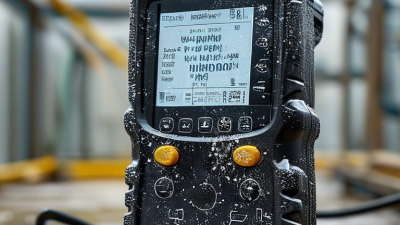
| Waterproof Protection | For outdoor work, an enclosure rated at least IP67 is a practical target. | Protection from dust and temporary water immersion reduces the risk of damage during field sampling. | Check whether the rating applies to the complete meter, probe connection, and battery compartment. |
| Display and User Interface | Backlit digital display showing dissolved oxygen, temperature, saturation, calibration status, and battery level. | Clear information reduces reading errors in laboratories, treatment facilities, and low-light field conditions. | A large display, simple navigation, and selectable measurement units are useful for international teams. |
| Data Logging | Internal memory for measurement records with USB, Bluetooth, or other compatible data-transfer options. | Digital records support traceability, reporting, quality control, and trend analysis. | Check storage capacity, export format, software compatibility, and whether data-transfer functions require additional equipment. |
| Probe Cable and Sampling Depth | A replaceable probe with a cable length selected for the application; common field lengths range from approximately 1 to 10 meters. | Proper cable length allows safe access to tanks, channels, ponds, wells, and sampling points without moving the meter unnecessarily. | Choose replaceable probes and confirm connector compatibility before ordering spare parts. |
| Power Supply | Replaceable batteries or rechargeable power with practical continuous operating time for a full working day. | Reliable power is essential when measurements are taken away from laboratories or electrical outlets. | Confirm battery type, charger input requirements, charging time, and availability of replacement batteries in the destination country. |
| Maintenance Requirements | Replaceable membrane, electrolyte, optical cap, or sensor module according to the selected sensing technology. | Maintenance affects total ownership cost, uptime, and the consistency of long-term measurements. | Request a maintenance schedule, spare-part list, storage instructions, and expected sensor service life. |
| Operating Conditions | Temperature range commonly covering approximately 0–50°C, subject to the instrument and probe design. | Suitable operating limits help prevent inaccurate readings or equipment damage in different climates and water systems. | Confirm operating and storage temperatures separately, especially for winter logistics and tropical fieldwork. |
| Compliance and Documentation | Clear technical specifications, calibration instructions, safety information, and applicable conformity documentation. | Complete documentation supports import procedures, internal quality systems, training, and customer audits. | Ask for a user manual, calibration certificate options, warranty terms, and documentation in a language required by the buyer. |
| Best-Fit Applications | AquacultureWastewaterEnvironmental TestingLaboratory | Different applications place different priorities on accuracy, ruggedness, sensor maintenance, data logging, and sampling depth. | Define the sample type, measurement frequency, water temperature, salinity, and required reporting format before selecting a model. |
Note: Actual performance depends on sensor technology, calibration, sample conditions, temperature, salinity, atmospheric pressure, and maintenance. Buyers should verify the current technical datasheet and test requirements before purchase.
Choosing the best dissolved oxygen meter starts with comparing technologies, not product claims. Electrochemical probes measure oxygen through a membrane and electrolyte. They usually offer proven field performance and lower initial cost. However, membranes need regular replacement, and stirring affects readings.
Optical sensors use luminescence quenching. They require less maintenance and do not consume oxygen during measurement. This matters in stagnant water, aquaculture tanks, and sealed sampling vessels. ISO 17289:2014 describes optical oxygen measurement, while ISO 5814:2012 covers electrochemical methods. These standards help buyers compare procedure and accuracy, rather than relying on advertising language.
Look at real operating conditions. The US EPA’s National Rivers and Streams Assessment found 46% of assessed rivers and streams had poor biological condition in 2013–2014. Dissolved oxygen is not the only cause, but reliable measurements help identify stress from organic pollution and low circulation. In field work, I prefer a sensor that stabilizes quickly at 5 mg/L and remains readable under bright sunlight. Battery life, temperature compensation, calibration records, and cleaning time also matter. Cheap meters can become expensive.
No sensor wins everywhere. A new optical probe may still drift after fouling. That part is easy to underestimate. Global buyers should request repeatability data, response-time tests, and service procedures under their actual water conditions. A laboratory specification is useful, but field evidence is stronger.
For global buyers, “best” should mean fit for the application, not the lowest quotation. The 2024 FAO State of World Fisheries and Aquaculture reported 185 million tonnes of aquatic animal production in 2022. Aquaculture provided about 51% of that volume, making reliable oxygen control commercially important. A suitable meter should offer accuracy across freshwater, seawater, ponds, tanks, and wastewater.
Check the measurement method first. Optical sensors usually reduce membrane maintenance, while electrochemical probes can provide familiar field procedures. Confirm performance against ISO 5814 or ASTM D888 requirements.
Ask for accuracy data at different temperatures, salinities, and oxygen levels. Temperature compensation matters. Salinity compensation matters more than many buyers expect.
A reading of 6 mg/L may not mean the same stress level in every culture system.
Small details matter.
Look for automatic calibration, replaceable sensor parts, clear alarms, data logging, and a practical response time. An IP-rated enclosure helps during wet sampling, but IP ratings do not replace careful handling. The U.S. EPA’s National Aquatic Resource Surveys use dissolved oxygen as a core water-quality indicator, supporting its value in environmental monitoring.
Still, laboratory certificates alone can disappoint. Request sample reports, calibration records, and a short trial with your own water.
Do not trust a perfect brochure.
Field conditions are rarely perfect. Calibration drift, biofouling, and careless sampling can distort results. A lower-cost meter may work, but only after its limitations are understood.
A dissolved oxygen meter measures oxygen in water, but accurate results depend on careful handling. Before sampling, inspect the probe, cable, membrane, and electrolyte solution. A scratched membrane can create unstable readings. Calibrate the meter in clean, moist air according to its manual. Allow the sensor to reach the surrounding temperature before calibration. Temperature matters more than many new users expect.
Rinse the probe with distilled water, then gently blot it. Do not wipe the membrane. Place the sensor in the sample without touching the container walls. Stir slowly, or move the probe through still water, until the value becomes stable. Record oxygen concentration, temperature, salinity, location, and sampling time. These details make later comparisons more reliable. I have found that rushing the stabilization step often produces a believable but incorrect number.
Maintenance should follow a regular schedule. Rinse the probe after every use and remove deposits with the recommended cleaning method. Replace damaged membranes and electrolyte promptly. Store the sensor as instructed; some probes require a moist cap, while others need a dry environment. Never assume one storage method fits every design. Check calibration before important measurements, even when yesterday’s reading looked normal. Keep a simple maintenance log. It reveals repeated problems, although it can also expose inconsistent habits in your own testing.