Top 10 Dissolved Oxygen Meters for Global Buyers in 2026?
In the field of water quality monitoring, the Dissolved Oxygen Meter plays a crucial role. Accurate measurement of dissolved oxygen levels is essential for aquatic life. In 2026, several models will stand out for global buyers. These meters vary in features and reliability. Selecting the right one can be challenging.
Quality matters when it comes to measuring dissolved oxygen. Some meters provide consistent readings, while others do not. Understanding these differences is key for buyers. Some brands may claim accuracy but fall short in real-world tests. It's important to consider user reviews and detailed specifications.
As the demand for reliable testing equipment grows, manufacturers are innovating. Advanced technology is enhancing performance. However, not all innovations guarantee better results. Buyers should weigh their options carefully. A Dissolved Oxygen Meter can be an investment, and knowing what to look for is vital. Consider your specific needs when making a choice.
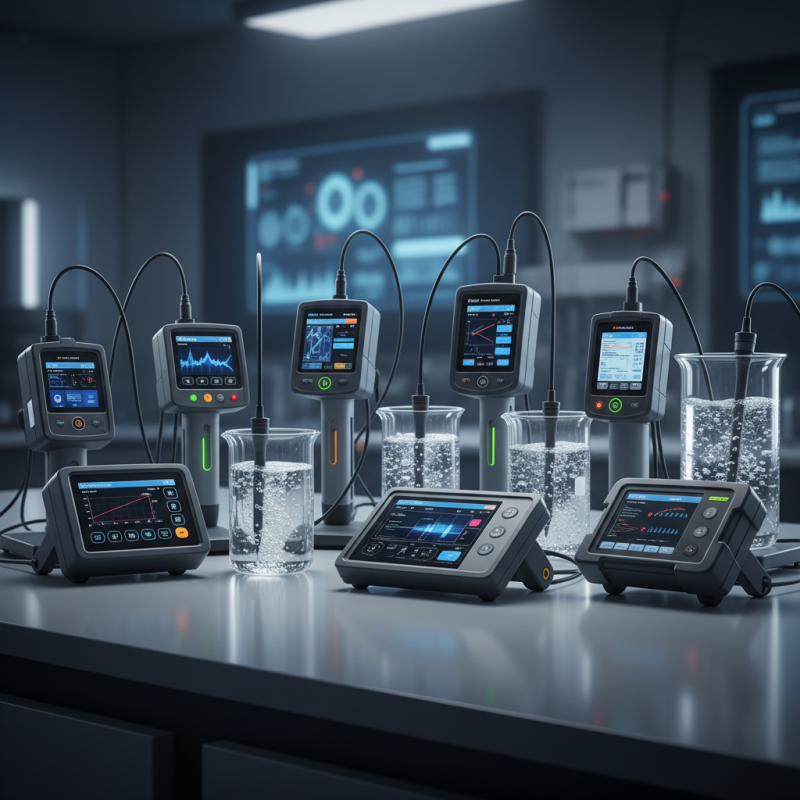
Overview of Dissolved Oxygen Meters and Their Importance
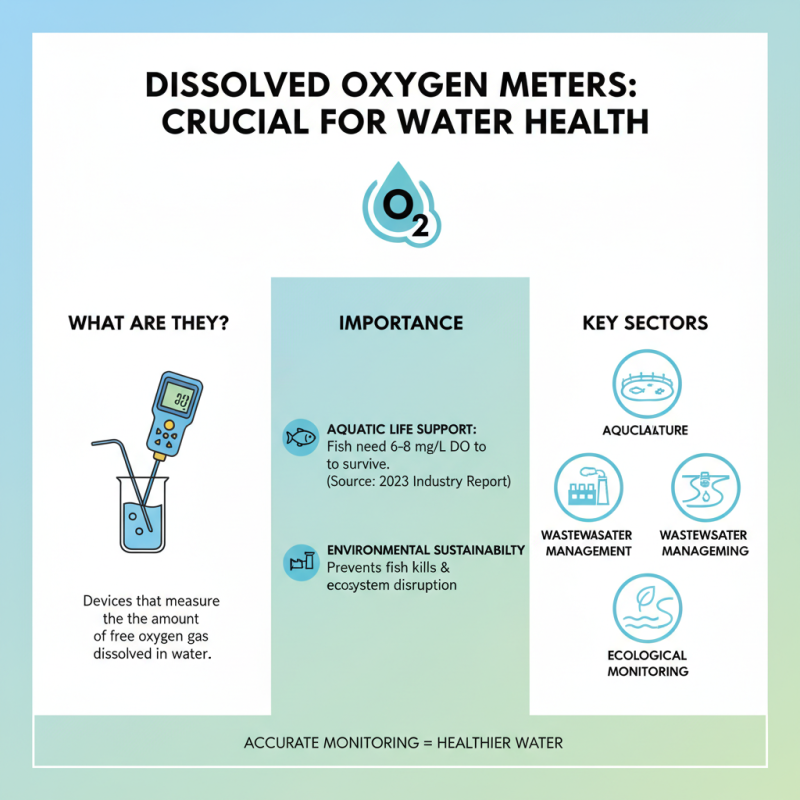
Dissolved oxygen (DO) meters play a vital role in various sectors, from aquaculture to wastewater management. The presence of dissolved oxygen in water directly affects aquatic life. According to a 2023 industry report, optimal DO levels for fish survival range between 6 to 8 mg/L. Insufficient oxygen can lead to fish kills and disrupt entire ecosystems. Thus, accurate monitoring is crucial for sustainability.
In industrial settings, maintaining appropriate dissolved oxygen levels is essential for effective microbial activities. Many wastewater treatment plants rely on DO meters to optimize their processes. A comprehensive study indicated that more than 70% of these facilities use advanced DO sensors to enhance treatment efficiency. However, challenges persist, including sensor calibration and maintenance. Reports suggest that nearly 30% of facility operators admit difficulties in ensuring consistent accuracy. These hurdles highlight the need for ongoing training and reliable technologies in the field.
As global concerns about water quality grow, the demand for reliable DO meters is expected to rise. The market is shifting towards more sophisticated devices that offer real-time data. However, potential users should remain cautious. Not all meters perform equally in varying environmental conditions. Research indicates that up to 25% of users may overlook critical calibration procedures. Proper attention to these factors can make a significant difference in monitoring aquatic environments effectively.
Criteria for Selecting the Best Dissolved Oxygen Meters
When selecting a dissolved oxygen meter, buyers should consider several important criteria. Accuracy is crucial. Meters should be capable of measuring within a range of 0 to 20 mg/L with a precision of ±0.1 mg/L. Several reports indicate that precision impacts water quality monitoring significantly. For aquatic ecosystems, even small deviations can lead to mismanagement.
Next, ease of use plays a vital role. User-friendly interfaces and touchscreen functionalities enhance the operational experience. Devices should feature quick calibration processes. The 2022 International Water Research Association survey found that 70% of users preferred meters which offered straightforward operation.
Portability is another factor. Compact and lightweight designs are essential for fieldwork. Many professionals require meters that can withstand different environmental conditions. Users often face challenges with durability and battery life. Devices should offer at least 12 hours of continuous use. This is important for extensive field studies or remote locations. Data logging capabilities also facilitate better record-keeping for ongoing analysis.
Top 10 Dissolved Oxygen Meters for 2026
In 2026, the market for dissolved oxygen meters will continue to grow. Buyers are looking for reliable instruments to ensure water quality. These meters are essential in various fields, from aquaculture to environmental monitoring. Accurate readings help to maintain optimal conditions for aquatic life. Many avoid units that don’t hold calibration or require frequent maintenance.
User-friendly designs will be crucial. Meters with intuitive displays and easy-to-navigate menus are preferred. Portability is also key; lightweight models can be taken to different locations. Nevertheless, some meters might have durability issues in harsh conditions. It’s important to consider the long-term effects of consistent use in diverse environments.
Calibration processes vary among models. A simple procedure is ideal for quick adjustments. Some users struggle with multi-point calibrations, affecting accuracy. Understanding these challenges can aid in making informed choices. For 2026, buyers should focus on balance—reliability and advanced features alongside ease of use.
Top 10 Dissolved Oxygen Meters for Global Buyers in 2026
| Rank |
Model |
Measurement Range |
Accuracy |
Features |
Price (Approx.) |
| 1 |
DOL-101 |
0 - 20 mg/L |
±0.1 mg/L |
Automatic calibration, backlit display |
$150 |
| 2 |
AQUA-202 |
0 - 15 mg/L |
±0.2 mg/L |
Data logging, USB connection |
$180 |
| 3 |
OXY-303 |
0 - 30 mg/L |
±0.05 mg/L |
Rechargeable battery, waterproof |
$250 |
| 4 |
DO-404 |
0 - 40 mg/L |
±0.1 mg/L |
Multi-language support, large display |
$300 |
| 5 |
AER-505 |
0 - 25 mg/L |
±0.1 mg/L |
Bluetooth connectivity, built-in printer |
$350 |
| 6 |
SENS-606 |
0 - 20 mg/L |
±0.2 mg/L |
Compact design, user-friendly |
$120 |
| 7 |
DMP-707 |
0 - 50 mg/L |
±0.1 mg/L |
Long battery life, rugged casing |
$400 |
| 8 |
ECO-808 |
0 - 10 mg/L |
±0.3 mg/L |
Environmentally friendly materials |
$80 |
| 9 |
PRO-909 |
0 - 35 mg/L |
±0.1 mg/L |
Advanced sensor technology |
$450 |
| 10 |
DIGI-1010 |
0 - 20 mg/L |
±0.2 mg/L |
Digital display, portable |
$150 |
Comparative Analysis of Features and Prices
As we look toward 2026, the demand for dissolved oxygen (DO) meters is on the rise, especially among environmental scientists and aquaculture professionals. A recent industry report highlighted that the global market for DO meters is expected to grow by approximately 7% annually. This growth can be attributed to increased awareness of water quality and its impact on ecosystems. Consumers are key players in shaping this market, seeking reliable tools to measure DO levels in various settings.
A comparative analysis reveals striking differences in features and pricing. Basic models start at around $100 but offer limited functionality, such as single-point calibration. More advanced options, which provide multi-point calibration and Bluetooth connectivity, can range up to $1,000. Interestingly, some high-end meters are criticized for their steep price, leading to concerns about accessibility for smaller labs. It's essential for buyers to weigh these features against their specific needs and budgets.
Moreover, ongoing debates question the accuracy of lower-priced meters. Some users report inconsistent readings, leading to uncertainty in experimental outcomes. With varying calibration technologies, potential buyers should consider reviewing multiple user experiences. This highlights the importance of extensive field testing before purchasing any meter, reinforcing the necessity for reliable data in water analysis.
Top 10 Dissolved Oxygen Meters for Global Buyers in 2026
This bar chart represents the prices of the top 10 dissolved oxygen meters projected for 2026. It provides a comparative analysis of price differences across various models, which can help global buyers make informed purchasing decisions.
Future Trends in Dissolved Oxygen Meter Technology
In the coming years, dissolved oxygen (DO) meters are evolving. With advancements in technology, users can expect more accuracy and ease of use. Modern meters offer real-time data and enhanced digital displays. Users in various industries need reliable readings to ensure quality control.
One noticeable trend is the integration of IoT capabilities. These meters can now connect to the cloud, allowing remote monitoring. This feature enhances data analysis and decision-making processes. However, this integration comes with challenges, such as data security and the need for stable internet connections.
Additionally, manufacturers are focusing on user-friendly designs. New meters are often portable, making fieldwork more accessible. Nevertheless, the accuracy in diverse environments remains a concern. Users must remain cautious and validate readings under varying conditions. The journey towards improved technology is ongoing, with both opportunities and hurdles ahead.