Best Conductivity Tester for Accurate Measurements in Any Application?
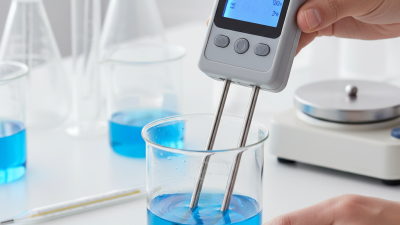
In various industries, a reliable Conductivity Tester is essential for ensuring accuracy in measurements. Whether in laboratory environments or field applications, these devices play a critical role. They help determine the conductivity of liquids, which directly affects quality control and process efficiency. Users often face challenges when selecting the right model, given the vast options available.
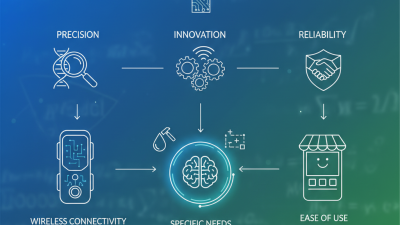
The performance of a Conductivity Tester can vary widely. Factors such as calibration, probe material, and measurement range significantly impact results. Inaccurate readings can lead to flawed data, potentially harming operational integrity. Professionals must assess testers based on their specific needs, ensuring that they choose a model with proven reliability.
Experience shows that not all Conductivity Testers deliver consistent performance. Users frequently learn through trial and error. This reality highlights the importance of seeking expert reviews and recommendations. Understanding the nuances of conductivity measurement will lead to improved outcomes across applications.
Understanding Conductivity Testing: Principles and Importance
Conductivity testing is essential in various fields like water treatment, agriculture, and electronics. Understanding its principles can help ensure accuracy. The basis of conductivity testing lies in measuring the ability of a solution to conduct electrical current. This property is influenced by the concentration of ions in the solution. Higher ion concentration typically correlates with higher conductivity, which is important for monitoring water quality in many applications.
Tips: Always calibrate your conductivity tester before use. Calibration ensures accuracy, particularly when working with varying water types. Pay attention to temperature, as it can significantly affect readings. Using a temperature compensation feature in your device can help improve accuracy.
Conductivity testing can be daunting. Not all testers provide the same level of precision. Factors like probe design and measurement range should be considered. A poor choice can lead to misleading results, impacting overall project outcomes. Regular maintenance and proper cleaning are crucial for reliable measurements. Always refer to the user manual for specific care instructions.
Types of Conductivity Testers: A Comprehensive Overview
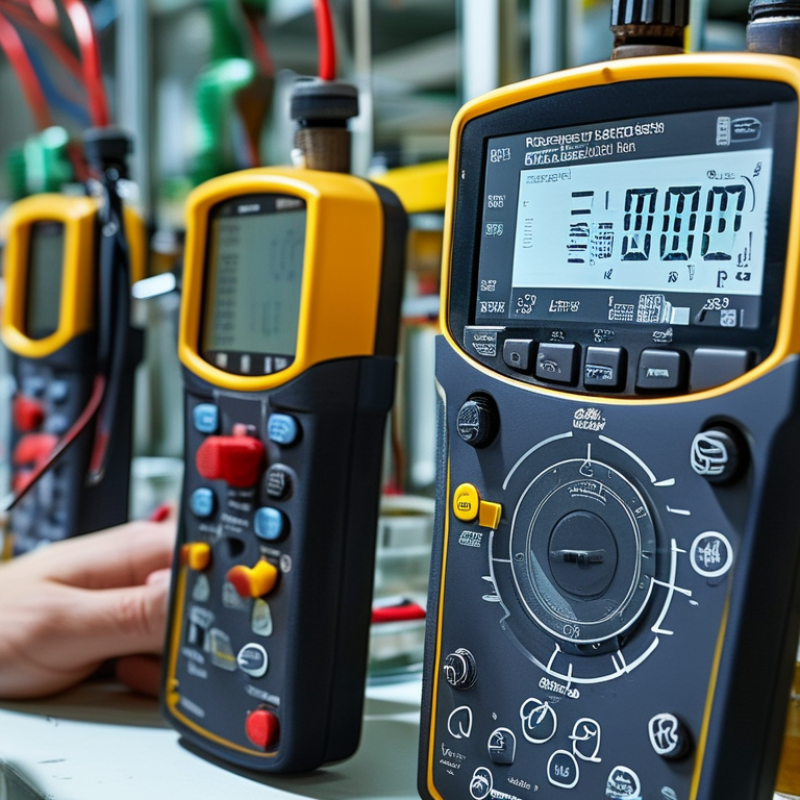
Conductivity testers measure the ability of a solution to conduct electricity. They are crucial in various fields, including agriculture, water treatment, and manufacturing. Choosing the right type of conductivity tester depends on the specific application. For example, portable testers are ideal for field studies, while benchtop models are better suited for laboratory settings.
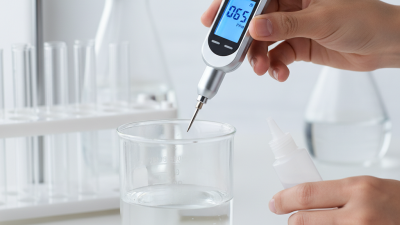
There are several types of conductivity testers. Handheld meters are popular for their ease of use and portability. These devices often provide quick readings, which is beneficial for on-the-go assessments. Reports indicate that handheld testers can deliver accurate results within ±1% of actual conductivity. However, their durability may vary. Some models may require frequent calibration, affecting long-term reliability.
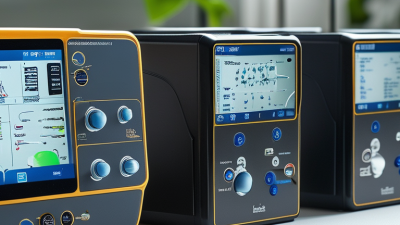
Benchtop conductivity testers are designed for precise laboratory measurements. These devices often feature advanced functionalities, like temperature compensation. According to industry data, benchtop models can achieve precision up to ±0.5% in ideal conditions. Yet, they can be costly and less accessible for everyday users. Ultimately, understanding the strengths and weaknesses of each type is essential for accurate and reliable measurements in different applications.
Best Conductivity Tester for Accurate Measurements in Any Application
| Tester Type |
Measurement Range |
Accuracy |
Features |
Application |
| Portable Conductivity Meter |
0 - 200 mS/cm |
±0.5% FS |
Data logging, backlit display |
Water quality testing |
| Bench-Top Conductivity Analyzer |
0 - 1000 mS/cm |
±0.1% FS |
Multi-parameter testing, temperature compensation |
Laboratory analysis |
| Portable Conductivity Probe |
0 - 100 mS/cm |
±1% FS |
Easy calibration, waterproof design |
Field testing, aquaculture |
| In-line Conductivity Sensor |
0.01 - 2 S/m |
±0.2% FS |
Real-time monitoring, low maintenance |
Industrial applications |
| Pocket Conductivity Tester |
0 - 999 µS/cm |
±2% FS |
Compact design, quick readings |
Hydroponics, gardening |
Key Features to Look for in a Conductivity Tester
When choosing a conductivity tester, key features can greatly impact your measurement accuracy. A trusted source indicates that accuracy is essential in fields like aquaculture and agriculture, where conductivity levels directly influence yield (Smith et al., 2022). Look for a tester with a reliable calibration capability. Regular calibration can ensure that your readings remain trustworthy over time. A multifunctional device that measures temperature alongside conductivity is also beneficial, as temperature can affect conductivity results.
Consider the resolution and range offered by the conductivity tester. According to industry standards, an ideal tester should provide a wide range from 0 μS/cm to several thousand μS/cm. Such versatility allows measurement in various applications, from drinking water analysis to industrial processes. Pay attention to user-friendly interfaces. A clear digital display with easy-to-navigate functions can save time during testing.
Also, check for durability features. Water and dust resistance can enhance the longevity of the device in challenging environments. A recent market analysis reports that around 30% of conductivity testers fail prematurely due to environmental damage. Lastly, probe design matters significantly for effective measurement. A poorly designed probe can lead to inaccurate readings and create safety hazards in some applications.
Top Brands and Models for Accurate Conductivity Measurements
When it comes to measuring conductivity, accuracy is crucial. Various applications, from agriculture to environmental monitoring, demand reliable readings. Selecting the right tester can simplify this process.
Top brands often feature a range of devices, each catering to specific needs. Some testers are portable, ideal for fieldwork, while others are designed for lab settings. Calibrating your tool regularly enhances its accuracy. An effective tester should offer a user-friendly interface and clear readings.
Tips for choosing a conductivity tester include looking for devices with high sensitivity . Consider how they perform across different temperature ranges. Many users overlook this aspect, which can lead to inaccurate measurements. Check for features like automatic temperature compensation. These details can significantly impact your results, ensuring precision in your work. Remember to read user reviews before making a decision, as firsthand experiences can guide you.
Best Practices for Conductivity Testing in Various Applications
When conducting conductivity testing, accuracy is key. Different applications require specific testing methodologies. For example, water quality testing often demands high precision. Professionals should calibrate their testers regularly. This calibration helps maintain accuracy over time. Using a standard solution for calibration can enhance the reliability of results.
In agricultural applications, testing soil conductivity can provide vital information. Farmers should focus on the depth of testing. Variability in soil composition can affect conductivity. This means that results can fluctuate. Sampling at different depths can yield a more comprehensive picture. Understanding these nuances is crucial for effective crop management.
Achieving precise measurements is not straightforward. Environmental factors, such as temperature, can influence conductivity. It's essential to monitor these conditions during testing. Recording them can provide insights into variations. Experimenting with various testing methods can unveil unexpected challenges. Routinely reviewing practices can help improve outcomes in all applications.