How to Choose the Best Dissolved Oxygen Meter for Your Needs?
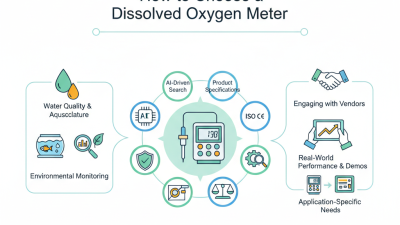
Choosing the right Dissolved Oxygen Meter is essential for accurate water quality testing. Various industries utilize these meters, including aquaculture, environmental monitoring, and wastewater management. With such diverse applications, each user has unique requirements. Selecting the best meter involves understanding specific needs and product features.
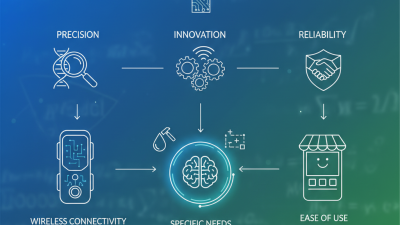
Reliability and accuracy are key factors when evaluating options. Some meters offer advanced features, such as Bluetooth connectivity and automatic temperature compensation. However, not every feature may be necessary for your use case. Consider simplicity against complexity based on your experience level. Remember that a more expensive meter does not always guarantee better performance.
Reflecting on your goals will guide you. Choose a Dissolved Oxygen Meter that aligns with your budget and testing frequency. It may take time to find the optimal match, but thorough research pays off. Taking a systematic approach to this decision will ensure precise and valuable insights into your water quality.
Understanding Dissolved Oxygen and Its Importance in Water Quality
Dissolved oxygen (DO) is crucial for aquatic life. It impacts the survival of fish, invertebrates, and microorganisms. According to a report by the U.S. Environmental Protection Agency, healthy water bodies require DO levels above 6 mg/L. Below this threshold, many aquatic species struggle to survive. This makes monitoring DO essential for maintaining water quality.
Low dissolved oxygen levels often indicate pollution or high nutrient loads. Excessive organic matter decomposes, consuming oxygen and creating a hostile environment for aquatic organisms. A study from the World Health Organization highlighted that regions with high nutrient runoff reported significantly lower DO levels. Regular monitoring can reveal trends in water quality, enabling timely interventions to protect ecosystems.
Effective dissolved oxygen management relies on accurate measurements. Professionals recommend using calibrated meters to ensure precise readings. Understanding your specific water body conditions, such as temperature and salinity, aids in interpreting data. Each location may have unique challenges impacting DO levels. Regular assessments are essential to respond effectively. Data-driven strategies can lead to healthier aquatic ecosystems and more sustainable water management practices.
Types of Dissolved Oxygen Meters: A Comprehensive Overview
When selecting a dissolved oxygen meter, understanding the types available is crucial. There are two primary categories: membrane-covered and optical dissolved oxygen meters. Membrane-covered meters use a permeable membrane to measure oxygen levels. They rely on the diffusion of oxygen through the membrane, which makes them sensitive and accurate. However, they may require regular maintenance, such as membrane replacement. Users often find this aspect challenging, especially in high-volume settings.
On the other hand, optical meters utilize luminescence technology to measure oxygen. These devices are often more user-friendly and require less maintenance. They offer quicker readings and are less affected by variable environmental conditions. However, their accuracy can sometimes be influenced by changes in turbidity or temperature. Users must consider these factors when evaluating their options.
Choosing the right meter depends on the specific needs of your environment. Think about your budget and the frequency of use. It is important to reflect on how often you will perform calibrations. Each type has its pros and cons, which can create uncertainty in decision-making. Ultimately, a careful assessment of your requirements will lead to the best choice for your applications.
Comparison of Different Types of Dissolved Oxygen Meters
This chart illustrates the average prices of various types of dissolved oxygen meters, helping you understand the cost spectrum associated with each type. Selecting the right meter depends on your specific needs and budget.
Key Features to Look for in a Dissolved Oxygen Meter
When selecting a dissolved oxygen meter, it's essential to focus on its key features.
Accuracy is paramount. Look for devices that guarantee high precision,
often within ±0.1 mg/L. According to industry reports, meters that employ optical sensing technology can significantly improve measurement reliability
compared to traditional polarographic methods.
Consider the range of the measurement. A meter should cover a wide range, typically from 0 to 20 mg/L.
This is crucial for applications in aquaculture or environmental monitoring. Portability also matters.
Lightweight meters with ergonomic designs offer convenience in fieldwork.
Tip: Always check calibration frequency. Meters requiring frequent calibration may hinder your workflow.
Another key feature is response time. A quick response is vital for real-time monitoring.
Devices with a response time of less than 30 seconds are preferred in fast-paced environments.
Tip: Regularly ensure that the sensor is clean.
Contaminated sensors lead to inaccurate readings, causing potential mismanagement in critical applications.
Always prioritize instruments that are user-friendly and equipped with robust features for reliable data collection.
Factors to Consider When Choosing a Dissolved Oxygen Meter
When selecting a dissolved oxygen meter, it's crucial to assess several key factors. Accuracy is paramount. Some meters may give inconsistent readings, which can lead to poor management decisions in aquatic ecosystems. Consider the calibration process; it should be straightforward. Frequent recalibration can be a hassle, especially in fieldwork.
Portability is another consideration. If you plan to take measurements on-site, lightweight and compact devices are preferred. A rugged design ensures durability against harsh conditions. Evaluate battery life too; a short battery duration can hinder your ability to gather data effectively. Ease of use impacts efficiency; look for intuitive interfaces.
Price plays a significant role, but don’t let it be the sole factor. Cheaper meters often compromise quality. Understand your specific needs before making a choice. For instance, some applications may demand high precision, while others can tolerate basic readings. Reflecting on these aspects can lead to a more satisfying purchase.
Best Practices for Using and Maintaining Your Dissolved Oxygen Meter
When using a dissolved oxygen meter, proper maintenance is crucial. Regular calibration ensures accuracy. Check the calibration frequently, especially before important measurements. Use standard solutions for calibration to achieve reliable results.
Cleaning the meter is essential to avoid contamination. Rinse the probe with distilled water after each use. Store the meter according to the manufacturer’s guidelines. A well-maintained meter lasts longer and provides better data.
Tips for maintaining your meter: Avoid using harsh chemicals for cleaning—they can damage the probe. Store it in a protective case to prevent physical damage. Remember, a dirty or neglected meter can lead to inaccurate readings. Periodic checks and cleaning should be part of your routine. By following these practices, you can ensure accurate readings and extend the life of your dissolved oxygen meter.