2026 How to Choose the Best Portable Dissolved Oxygen Meter for Your Needs
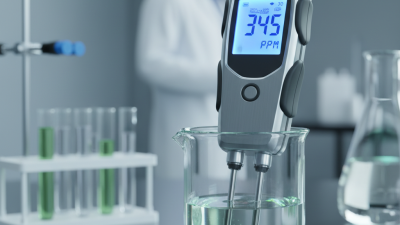
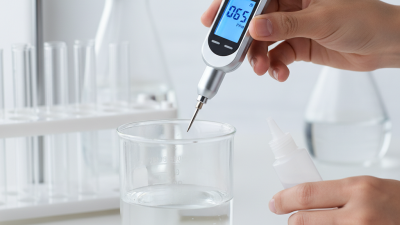
Choosing the right Portable Dissolved Oxygen Meter can be daunting. With numerous options available, it's essential to understand your specific needs. This device measures the amount of oxygen in water, a crucial factor for aquaculture, environmental monitoring, and laboratory research.
Many factors affect your choice. You may consider features like accuracy, portability, and battery life. Some meters are compact, making them ideal for fieldwork. Others offer advanced functions, such as data logging, which can be invaluable for studies.
However, it's easy to feel overwhelmed. Online reviews can be helpful, but they sometimes lack context. Asking experts or fellow users can provide insights you can't find in manuals. Trustworthy sources can guide you in selecting the best Portable Dissolved Oxygen Meter for your situation. Each application is unique, and reflecting on your requirements may lead to the best choice.
Choosing the Right Portable Dissolved Oxygen Meter: Key Factors to Consider
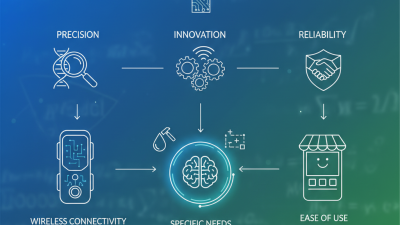
Choosing the right portable dissolved oxygen meter is crucial for accurate water quality assessments. When considering options, focus on accuracy and reliability. A meter that offers precise readings is essential for various applications, including aquaculture, environmental monitoring, and laboratory work. Look for sensors that respond quickly to changes in oxygen levels. Timely feedback can make a significant difference in your results.
Another factor to consider is ease of use. A user-friendly interface helps you operate the meter more efficiently. Complex devices can lead to errors, especially if you lack experience. Some meters come with automatic calibration features, simplifying the process. However, ensure you understand the calibration requirements to avoid inaccuracies.
Portability is another key element. The device should be lightweight and compact. Many users will need to transport their meters to different sites frequently. A sturdy design is also important. Meters can easily be damaged if dropped or mishandled. Research on the product's durability. Some meters may require more maintenance than others. This accountability can impact your workflow significantly.
Understanding the Measurement Range and Accuracy of Dissolved Oxygen Meters
When selecting a portable dissolved oxygen (DO) meter, understanding the measurement range and accuracy is crucial. Many meters in the market offer ranges from 0 to 20 mg/L, which is generally adequate for most applications. However, some specialized environments may require meters that measure up to 30 mg/L. According to a report by the Environmental Protection Agency (EPA), maintaining accurate DO levels is essential in aquatic environments to support marine life.
Accuracy is another vital factor. Meters should ideally have a precision of ±0.1 mg/L. Devices meeting this standard are beneficial for research and industrial applications. Research indicates that even minor inaccuracies can lead to significant discrepancies in data, affecting ecological assessments. Calibration is critical to ensuring reliability over time. Users need to remember that environmental factors, such as temperature and pressure, can also affect accuracy.
A carry case is not enough; regular maintenance is crucial for optimal performance. Users often neglect this aspect, which can compromise results. Data from recent studies show that neglecting routine checks can degrade accuracy by up to 25%. This underscores the importance of routine maintenance and calibration. A thoughtful approach helps ensure the DO meter meets your specific needs effectively.
Exploring Different Sensor Technologies in Portable Dissolved Oxygen Meters
When selecting a portable dissolved oxygen meter, sensor technology is crucial. Two main types of sensors exist: galvanic and optical. Galvanic sensors rely on chemical reactions to measure oxygen levels. They offer quick readings but can be affected by temperature and pressure changes. In contrast, optical sensors use luminescence to detect dissolved oxygen. They provide stable measurements, even in varying conditions.
Understanding these differences helps you choose wisely. Galvanic meters are often cheaper but may need more maintenance. Optical ones might be pricier but require less frequent calibration. Users often overlook the importance of calibration, leading to inaccurate readings.
Portable dissolved oxygen meters should be user-friendly and provide clear data. However, many users struggle with understanding the displayed information. Easy-to-read interfaces can reduce errors. Effective use also depends on regular sensor maintenance. Forgetting this leads to unreliable results, affecting overall performance.
Evaluating User-Friendliness and Calibration Needs of Oxygen Meters
When selecting a portable dissolved oxygen meter, user-friendliness is crucial. A user-friendly device ensures accurate readings with minimal training. Look for meters with clear displays and straightforward controls. Touchscreen interfaces can be helpful, but simplicity should remain a priority. The best meters also come with comprehensive manuals and online resources.
Calibration is another important feature. Calibration requirements vary among devices. Some models require regular calibration, while others are factory-calibrated and automatically adjust. A meter that demands frequent calibration may be more challenging for casual users. Understanding the calibration process is vital. Research if a device can maintain accuracy over time without constant recalibration.
Take time to explore user reviews and expert insights. These can reveal strengths and weaknesses in real-world applications. A meter might seem perfect on paper but may fall short in practical use. Balance function, accuracy, and ease of use. Your choice should meet your specific needs while being reliable for ongoing testing.
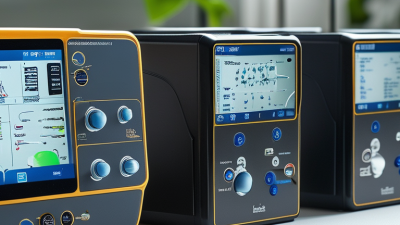
Comparison of Portable Dissolved Oxygen Meters: User-Friendliness and Calibration Needs
Assessing Cost vs. Performance: Finding Your Ideal Portable Meter
When choosing a portable dissolved oxygen meter, cost and performance are critical factors. Many users seek the perfect balance. Pricing for high-quality meters typically ranges from $150 to $800. According to a 2022 industry report, performance often aligns with price. Higher-priced meters usually provide more accurate readings and durable constructions. Meters under $200 may suffice for basic tasks, but they often lack the precision needed for sensitive environments.
Accuracy is crucial in many applications, such as aquaculture and water quality testing. For example, measurements can significantly impact fish health and growth rates in aquaculture. A study shows that even small variations in dissolved oxygen levels can affect fish viability. Investing in a higher-performing model can mitigate these risks, ensuring reliable data collection. Users should also consider the long-term benefits of investing a bit more upfront for a more reliable unit.
While lower-cost options may seem attractive, they might falter in rugged conditions. Durability often correlates with higher prices, as materials and technology improve. Users could experience discrepancies in data that might lead to poor decisions. Testing features like response time and battery life is essential too. Balancing cost and performance requires thoughtful consideration, as the right choice directly impacts results in critical environments.
2026 How to Choose the Best Portable Dissolved Oxygen Meter for Your Needs
| Model |
Measurement Range (mg/L) |
Accuracy (%) |
Battery Life (hours) |
Price ($) |
| Model A |
0 - 20 |
±1.5 |
200 |
150 |
| Model B |
0 - 50 |
±2.0 |
150 |
120 |
| Model C |
0 - 25 |
±1.0 |
300 |
175 |
| Model D |
0 - 40 |
±1.8 |
250 |
160 |