Top Portable Conductivity Meters for Global Buyers in 2026?
As the demand for portable conductivity meters continues to grow, understanding their significance is essential for various industries. In 2026, global buyers are seeking reliable tools to measure conductivity across diverse applications. Sarah Thompson, a leading expert in the field, emphasizes, "The evolution of portable conductivity meters has transformed how industries monitor water quality."
These devices offer convenience and precision. In sectors like agriculture, water treatment, and environmental monitoring, the ability to measure conductivity accurately can make or break a project. A reliable portable conductivity meter helps ensure that processes run smoothly and effectively.
Despite their advantages, users must remain cautious. Not all portable meters deliver the same level of accuracy. Some may falter under specific conditions. Therefore, it's vital to choose wisely. Research and review are key to selecting the best instrument. Investing in quality can yield reliable data and ultimately lead to better outcomes.
Overview of Portable Conductivity Meters and Their Importance
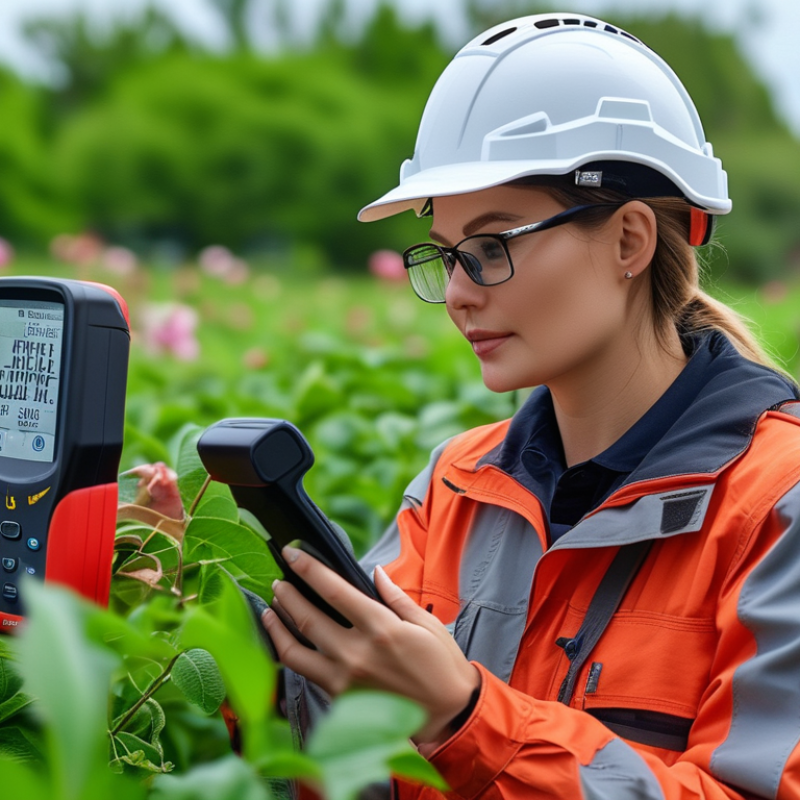
Portable conductivity meters are essential tools in various fields, including environmental science, agriculture, and food processing. These devices measure the electrical conductivity of liquids, which indicates the presence of ions and overall water quality. Accurate measurements are vital for maintaining healthy ecosystems and ensuring safe drinking water.
For many users, understanding how to interpret conductivity readings can be challenging. Conductivity levels can fluctuate due to various factors, such as temperature changes and contamination levels. It’s crucial to have a reliable device for consistent readings. Some users report that inconsistent performance in portable meters can lead to confusion when monitoring water quality over time.
Moreover, ease of use and portability are essential features for fieldwork. Users often face difficulties when calibrating their instruments on-site. Many find that practical knowledge about local water conditions helps in making better measurement decisions. Regular maintenance and proper storage can mitigate some common issues faced by users. The importance of accessible and reliable instruments cannot be overstated, especially in remote areas where water quality testing is paramount.
Top Portable Conductivity Meters for Global Buyers in 2026
| Model |
Range (μS/cm) |
Resolution (μS/cm) |
Accuracy (%) |
Battery Life (hours) |
Weight (grams) |
| Model A |
0 - 1000 |
1 |
±2% |
300 |
200 |
| Model B |
0 - 2000 |
1 |
±1.5% |
250 |
220 |
| Model C |
0 - 10000 |
10 |
±1% |
500 |
250 |
| Model D |
0 - 5000 |
5 |
±2% |
600 |
180 |
Key Features to Consider When Choosing a Conductivity Meter
When choosing a portable conductivity meter, several key features should be prioritized. Accuracy is essential. A good meter provides consistent readings, even with fluctuating temperatures. Look for devices that have calibration options. This feature ensures that your measurements remain reliable over time. Consistency matters in all settings, from laboratories to environmental monitoring.
Portability is another crucial aspect. The design should be lightweight and compact. It should easily fit into a field bag or even a lab coat pocket. Durability is important too. Meters will face outdoor conditions, so they must withstand drops and exposure to moisture. Some models have robust cases designed for rugged environments.
Finally, consider the ease of use. A simple interface can save valuable time in the field. Meters with backlit displays are helpful in low-light conditions. Battery life also plays a role. Look for models that offer extended usage on a single charge. Knowing these factors can elevate your purchasing experience and ensure the device meets your needs.
Top Brands and Models of Conductivity Meters for 2026
When considering conductivity meters for 2026, several top brands and models stand out. These devices are crucial in various fields, including environmental monitoring and water quality testing. Users need reliable meters that provide consistent and accurate readings. Recent advancements in technology have led to more portable options, making them suitable for fieldwork.
Key features to examine include measurement range, calibration methods, and battery life. Some models excel in digital displays for easy reading. Others might prioritize durability for outdoor use. Buyers should consider their specific needs to choose wisely.
However, it’s important to note that not all models perform reliably across different environments. Some might struggle with extreme temperatures or high salinity levels. This inconsistency can lead to inaccurate data, which can affect important decisions. Evaluating user reviews can help in identifying these potential pitfalls. Each buyer should weigh the pros and cons before making a choice.
Market Trends Influencing Portable Conductivity Meter Development
The portable conductivity meter market is evolving rapidly. One significant trend is the push for user-friendly designs. Many consumers now prefer meters that are lightweight and easy to operate. This demand shapes the development of future products. New features like Bluetooth connectivity are becoming common. They enable users to transfer data seamlessly to mobile devices.
Another trend involves environmental sustainability. Many manufacturers focus on eco-friendly materials for meter production. This shift reflects consumers' growing awareness of environmental issues. These meters are often more reliable and durable, appealing to a broader audience.
When choosing a portable conductivity meter, consider its measurement range. A wider range allows for versatile applications. Regular calibration is important too. It ensures the accuracy of your readings. Check reviews for insights into the meter's longevity. This can guide you toward a reliable choice.
User Reviews and Recommendations for Best Portable Conductivity Meters
When choosing a portable conductivity meter, user reviews play a crucial role. Many users appreciate ease of use. A compact design can enhance portability. Accurate readings are essential for various applications like environmental testing and aquaculture. Customers often highlight meters that offer reliable performance in diverse conditions. Ideal meters should withstand harsh environments and deliver consistent results.
Reading through multiple reviews can help buyers make informed decisions. Look for models praised for quick calibration and user-friendly interfaces. Some users noted issues with battery life, urging potential buyers to consider longevity.
Consider carrying extra batteries for extended use. A protective case is valuable for traveling professionals. Ensure the meter's probe is durable and easy to clean. Users often recommend thorough cleaning after each use. Regular maintenance prevents false readings and extends the device's lifespan. This aspect is sometimes overlooked, yet critical for ensuring accuracy and reliability.