Top 5 Ultrasonic Cleaning Systems You Need to Know About?
In recent years, the demand for efficient cleaning solutions has significantly increased across various industries. The Ultrasonic Cleaning System has emerged as a powerful tool in this arena. According to a report by Markets and Markets, the global ultrasonic cleaning market is expected to reach $1.2 billion by 2027, growing at a CAGR of 5.2%. This growth highlights the system's effectiveness in removing contaminants from intricate parts.
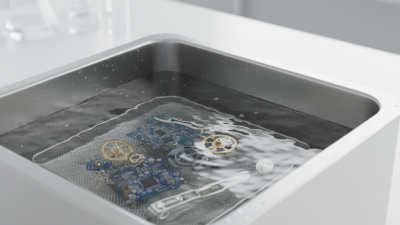
Ultrasonic cleaning systems utilize high-frequency sound waves to agitate a cleaning solution, creating microscopic bubbles that implode and dislodge dirt and grime. This method ensures thorough cleaning even in hard-to-reach areas, making it suitable for applications ranging from industrial components to delicate medical instruments. However, not all systems are created equal. Some may lack the necessary power or frequency range and could leave residues behind, demanding a more selective approach to choosing the right system.
By analyzing the top ultrasonic cleaning systems on the market, users can make informed decisions. This is essential because improper cleaning can lead to equipment failures and safety hazards. Understanding the nuances of each system can empower businesses to enhance their cleaning processes effectively.
The Basics of Ultrasonic Cleaning Systems
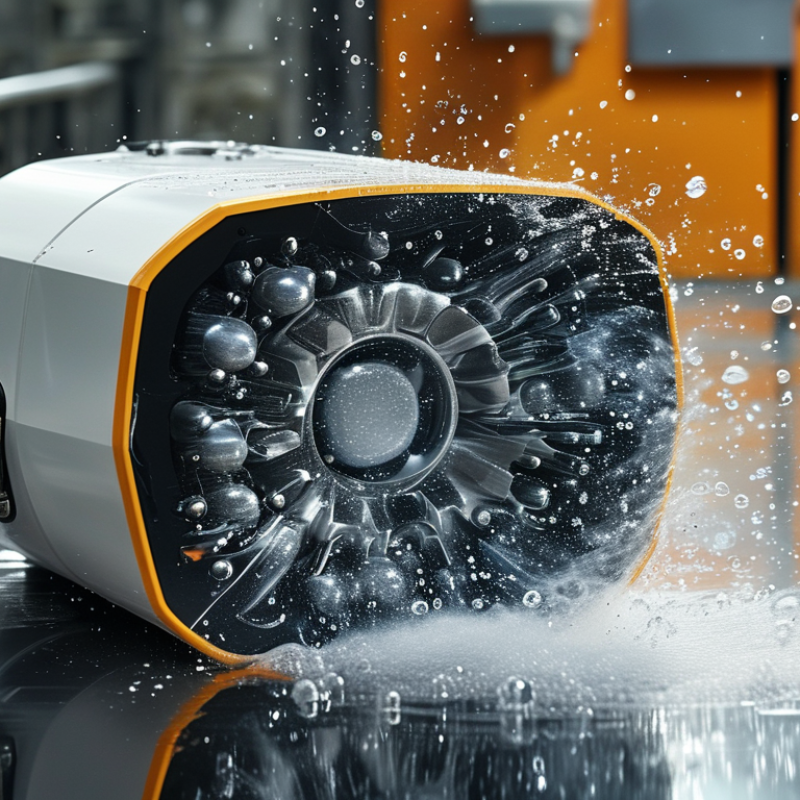
Ultrasonic cleaning systems utilize high-frequency sound waves. These waves create tiny bubbles in a liquid cleaning solution. When the bubbles burst, they produce a powerful scrubbing action. This action is effective at removing dirt, grease, and contaminants. Perfect for small intricate parts, these systems provide a deep clean that traditional methods often miss.
The technology behind ultrasonic cleaning is straightforward. Beneath the surface, bubbles expand and collapse rapidly. This process, known as cavitation, ensures contaminants are dislodged from surfaces, even in hard-to-reach areas. Many industries, from healthcare to automotive, benefit from this cleaning method. However, it requires careful operation. Users must select the right frequency and cleaning solution for different materials.
While ultrasonic cleaners are powerful, they have limitations. Not all materials are suitable for ultrasonic cleaning; delicate items can be damaged. Improper settings can lead to incomplete cleaning. Observing best practices and understanding the equipment is essential. With the right knowledge, ultrasonic cleaning systems can significantly enhance cleaning efficiency and effectiveness.
Key Features to Consider When Choosing an Ultrasonic Cleaner
When selecting an ultrasonic cleaner, there are essential features to keep in mind. The tank size is critical. It dictates the volume of items you can clean at once. Many ultrasonic cleaning systems offer tanks ranging from one liter to over 50 liters, catering to various cleaning needs. Research indicates that a larger tank produces a more powerful cleaning action, making it crucial for industrial applications.
Frequency is another significant factor to consider. Most ultrasonic cleaners operate at frequencies between 28 kHz to 40 kHz. Data shows that lower frequencies are better for heavy-duty cleaning, while higher frequencies work well for delicate items. However, choosing the right frequency can be a bit tricky. A system may be too strong for sensitive materials, causing damage.
Temperature control can enhance cleaning efficiency. Studies suggest that heating the cleaning solution can accelerate dirt removal, improving cleansing results. Some ultrasonic cleaners offer adjustable temperatures. Not all models provide this feature, which can lead to inconsistent cleaning performance. Users must assess their specific needs before making a choice. The right system can save time and improve overall cleaning effectiveness, but failing to consider these elements may lead to unsatisfactory results.
Top 5 Ultrasonic Cleaning Systems Reviewed and Compared
Ultrasonic cleaning systems have gained significant traction across various industrial sectors. These systems utilize high-frequency sound waves to create microscopic bubbles. When these bubbles collapse, they release energy, effectively dislodging contaminants from surfaces. According to a report by Research and Markets, the global ultrasonic cleaning market is projected to reach $1.27 billion by 2026, with a compound annual growth rate (CAGR) of 5.7%.
Among the various ultrasonic cleaning systems, the performance varies widely. Factors such as frequency, tank size, and power output can significantly affect cleaning efficiency. Most systems operate between 25 kHz and 40 kHz, which are considered optimal for effective cleaning. However, a common oversight is selecting a unit solely based on size. Many users forget to consider their specific cleaning needs, leading to underperformance.
Moreover, the importance of the cleaning solution should not be underestimated. The combination of ultrasonic waves and the right detergent can enhance cleaning capabilities. Misunderstanding this synergy often results in unsatisfactory results. A study from the Institute of Ultrasonic Studies suggests that 70% of cleaning efficiency comes from the liquid used. So, careful choice is key, as neglecting this can lead to wasted time and resources.
Top 5 Ultrasonic Cleaning Systems You Need to Know About
| Model |
Tank Size (L) |
Frequency (kHz) |
Heating Function |
Price ($) |
| Model A |
3 |
40 |
Yes |
199 |
| Model B |
5 |
28 |
No |
249 |
| Model C |
10 |
40 |
Yes |
399 |
| Model D |
2 |
25 |
Yes |
150 |
| Model E |
5 |
35 |
Yes |
299 |
Applications of Ultrasonic Cleaning in Various Industries
Ultrasonic cleaning is revolutionizing various industries. Its applications stretch across healthcare, automotive, and jewelry sectors. The technology employs high-frequency sound waves to remove debris and contaminants. In hospitals, it efficiently cleans surgical instruments, ensuring patient safety. This method reaches intricate surfaces and crevices that manual cleaning often misses.
In the automotive industry, ultrasonic cleaning is pivotal for effective parts maintenance. It removes grime and buildup from engine components, enhancing performance. The jewelry sector benefits too. It revitalizes pieces by cleaning deep set dirt and restoring shine without harsh chemicals.
Yet, challenges exist. Not all materials handle ultrasonic cleaning well. Some delicate items may suffer damage if misused. Continual education on proper techniques is essential. Understanding each material's properties ensures safety and effectiveness. Knowledge and practice define success in ultrasonic cleaning.
Top 5 Ultrasonic Cleaning Systems - Applications of Ultrasonic Cleaning in Various Industries
This chart illustrates the percentage of ultrasonic cleaning applications across various industries. The data reflects the growing adoption of ultrasonic cleaning technology in different sectors.
Maintenance Tips for Optimal Performance of Ultrasonic Cleaners
Ultrasonic cleaners are popular for their efficiency in removing dirt and grime. However, to achieve optimal performance, regular maintenance is vital. First, inspect the ultrasonic tank regularly for any signs of damage or wear. A damaged tank can directly affect cleaning results.
Clean the tank thoroughly after each use, ensuring that residual debris does not accumulate.
Next, consider the frequency of your cleaning solution replacement. Fresh solutions often enhance cleaning performance. Avoid using the same solution for an extended time, as this can lead to decreased efficiency. Additionally, use a soft microfiber cloth to wipe down the exterior of the machine. Neglecting this step can lead to buildup that affects its overall reliability.
Remember, not every cleaning session yields perfect results. Experimenting with different solutions can sometimes lead to unexpected outcomes. Document your cleaning processes and results. Reflection on what works best can greatly improve future performance. Continuous learning is key to maximizing the benefits of your ultrasonic cleaning system.