Why Choose an Ultrasonic Cleaning Tank for Your Business Needs?
In today's competitive market, businesses strive for efficiency and quality. An Ultrasonic Cleaning Tank has emerged as a vital tool in various industries. According to a recent report by Market Research Future, the ultrasonic cleaning market is projected to grow at a CAGR of 5.3% over the next five years. This growth is driven largely by the increasing demand for superior cleanliness in sectors such as automotive, medical, and electronics.
Dr. James Reynolds, a leading expert in ultrasonic cleaning technology, states, "Ultrasonic cleaning isn’t just a luxury; it’s rapidly becoming a necessity in industries where precision is paramount." His insights highlight the critical role of Ultrasonic Cleaning Tanks in maintaining high standards.
However, not all businesses fully leverage this technology. Some may overlook the initial investment costs or the learning curve needed for operation. Yet, the long-term benefits often outweigh these challenges, as the tanks can significantly reduce manual labor and improve cleaning consistency. The choice to embrace Ultrasonic Cleaning Tanks should be carefully considered, weighing both immediate hurdles and future gains.

Benefits of Ultrasonic Cleaning Tanks in Industrial Applications
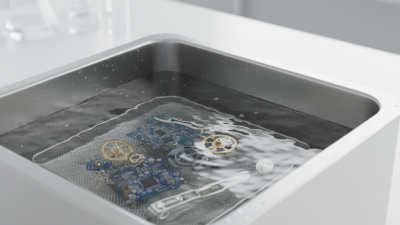
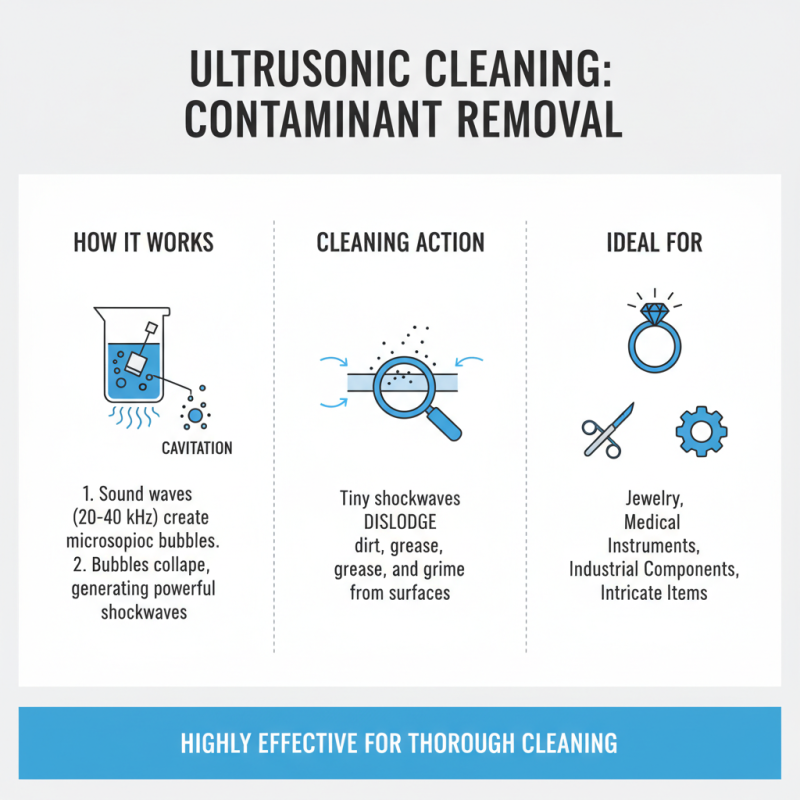
Ultrasonic cleaning tanks offer remarkable advantages for industrial applications. They utilize high-frequency sound waves to create microscopic bubbles in a cleaning solution. This process, known as cavitation, efficiently dislodges dirt, grease, and contaminants from intricate surfaces. The result is a thorough cleaning that manual methods often fail to achieve.
In environments where precision is key, ultrasonic cleaning proves invaluable. For example, in the automotive sector, parts can have complex geometries. Ultrasonic cleaners reach into these nooks and crannies, ensuring that no residue is left behind. Regular use can enhance equipment longevity. However, some users may overlook the need for proper solution selection; using the wrong cleaning agent can diminish effectiveness.
The versatility of ultrasonic cleaning tanks is another highlight. Industries ranging from electronics to medical devices can benefit. Sensitive components can be cleaned without mechanical abrasion. Yet, not all items are suitable for ultrasonic cleaning. Users must understand their equipment to prevent damage. This knowledge is crucial for optimal results.
Why Choose an Ultrasonic Cleaning Tank for Your Business Needs? - Benefits of Ultrasonic Cleaning Tanks in Industrial Applications
| Application Area |
Benefits |
Cleaning Efficiency (%) |
Processing Time (minutes) |
| Medical Instruments |
Thorough cleaning, eliminates contaminants |
99% |
15 |
| Automotive Parts |
Removes grease and dirt effectively |
95% |
20 |
| Jewelry Cleaning |
Restores original shine, non-damaging |
98% |
10 |
| Electronics Manufacturing |
Prepares parts for assembly, minimizes defects |
97% |
12 |
| Optical Components |
Deep clean without scratching surfaces |
99% |
8 |
Industry Standards and Regulations for Cleaning Processes
When considering the right cleaning processes for your business, it’s crucial to adhere to industry standards and regulations. Ultrasonic cleaning tanks offer an effective solution, but compliance with these standards is essential. Each industry has specific guidelines regarding cleanliness and safety. These standards ensure that products meet quality and safety requirements. For example, the medical and food sectors face strict regulations that dictate the level of cleanliness needed.
Ultrasonic cleaners work through high-frequency sound waves, which create tiny bubbles. These bubbles collapse upon contact with surfaces, effectively removing contaminants. However, not all ultrasonic tanks are equal. It’s vital to choose a cleaning tank that meets industry-specific compliance. This includes certification from relevant authorities, which confirms the equipment’s effectiveness and safety. Each application may have its own set of challenges. As businesses adapt to changing regulations, the cleaning processes must also evolve to stay compliant.
In many cases, companies may overlook the importance of regular audits. These checks ensure that the cleaning processes remain effective. When using ultrasonic cleaning, staff training is also crucial. Workers must understand the proper use and maintenance of the equipment. Evaluation of current cleaning methods can reveal shortcomings. These reflections can lead to improved practices that fulfill industry requirements.
Effectiveness of Ultrasonic Cleaning in Removing Contaminants
Ultrasonic cleaning is a highly effective method for removing contaminants from various surfaces. With frequencies typically ranging from 20 kHz to 40 kHz, ultrasonic cleaners use sound waves to create microscopic bubbles in a cleaning fluid. These bubbles collapse with great force, generating tiny shockwaves that dislodge dirt, grease, and other unwanted materials. This process can clean intricate items, including jewelry, medical instruments, and industrial components, ensuring a thorough wash.
The technology's effectiveness lies in its ability to access tight spaces. Traditional cleaning methods may leave residue in hard-to-reach areas. However, ultrasonic cleaning is designed to penetrate every nook and cranny. This is especially important in industries where hygiene is critical. Yet, it's essential to understand that not all materials respond well to ultrasonic cleaning. Some delicate items may suffer damage from the process. Hence, testing is advised before full-scale use.
Another factor to consider is the cleaning solution used. The choice of detergent can significantly affect cleaning results. Not all contaminants are removed equally by generic solutions. Businesses need to invest time in selecting the appropriate cleaner for their specific needs. Recommendations from industry experts can guide this process. The potential for errors and the need for optimization highlight the necessity of careful planning in implementing ultrasonic cleaning solutions.
Cost Analysis: Ultrasonic Cleaning vs. Traditional Methods
Ultrasonic cleaning offers a cost-effective solution compared to traditional cleaning methods. Traditional cleaning often requires multiple steps and more manual labor, leading to higher labor costs. In contrast, ultrasonic cleaning uses sound waves. This technology cleans efficiently and reaches intricate surfaces. Businesses can save money on labor while improving cleaning quality.
The initial investment in an ultrasonic cleaning tank may seem steep. However, consider the long-term savings. Less manual effort and faster cleaning cycles lead to increased productivity. Maintenance costs are lower as well. Traditional methods often require expensive cleaning agents. Ultrasonic cleaning typically uses water-based solutions, reducing expenses.
While ultrasonic cleaning is effective, it's essential to assess specific needs. Not every item may be suitable for this method. Some materials might require a different approach. Balancing cost with effectiveness is crucial. Making informed decisions based on experience and testing can yield significant benefits for your business.
Cost Analysis: Ultrasonic Cleaning vs. Traditional Methods
This bar chart illustrates the average cost per use of ultrasonic cleaning compared to traditional cleaning methods. Ultrasonic cleaning proves to be a more cost-effective solution for businesses, reducing cleaning expenses.
Case Studies: Successful Implementations of Ultrasonic Cleaning Tanks
Ultrasonic cleaning tanks play a crucial role in many industries. In a case study involving a dental clinic, the implementation of these tanks significantly improved instrument sterilization. The clinic reported a 50% reduction in cleaning time. This allowed staff to focus more on patient care.
Another example comes from the automotive sector. A small repair shop used ultrasonic cleaning for carburetors and fuel injectors. They found that debris removal was thorough and consistent. This led to enhanced engine performance and customer satisfaction. However, transitioning to ultrasonic cleaning required training. Staff initially struggled with the new equipment.
Despite the challenges, feedback highlighted the effectiveness of this technology. Many businesses are now recognizing the potential of ultrasonic cleaning tanks. Their ease of use and efficiency are driving change. Yet, businesses must weigh costs against the long-term benefits. This thoughtful approach can guide successful adoption.