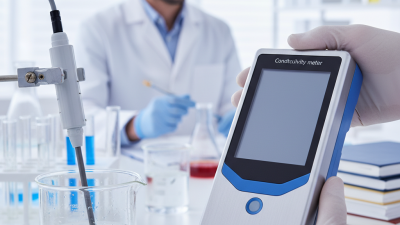
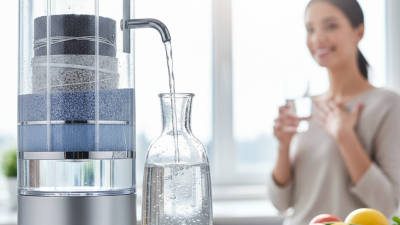
China Top 10 High Purity Water Purifier for Global Buyers?
In the quest for purity, a "High Purity Water Purifier" stands as a critical solution. This equipment becomes essential, especially in regions where water quality is compromised. With increasing global awareness about health, these purifiers are more than just appliances; they represent a commitment to clean living.
China has emerged as a key player in the water purification market. Its advanced technology and manufacturing capabilities allow for diverse options catering to global consumers. Buyers face a wide array of products, and understanding them is vital. While many purifiers claim to deliver high purity, not all meet the highest standards. Hence, navigating this landscape requires careful consideration.
As we explore the top 10 high purity water purifiers, we acknowledge that choosing the right one is not simple. Each product has unique features and specifications. Some buyers may overlook important details, leading to regrets later. It’s crucial to weigh advantages against potential drawbacks, ensuring a reliable choice.
China's High Purity Water Purifier Market Overview and Growth Statistics
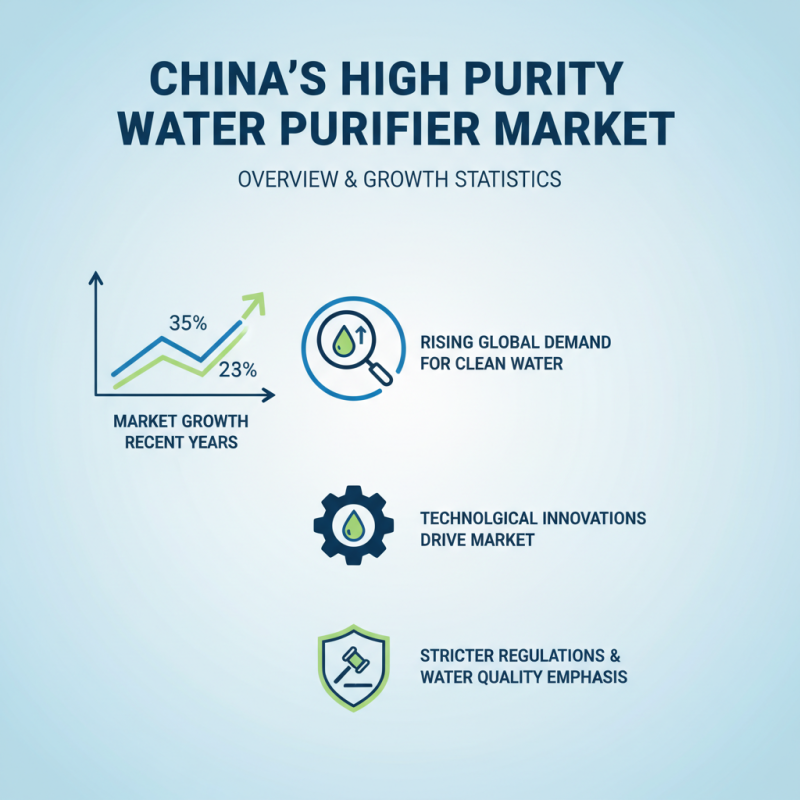
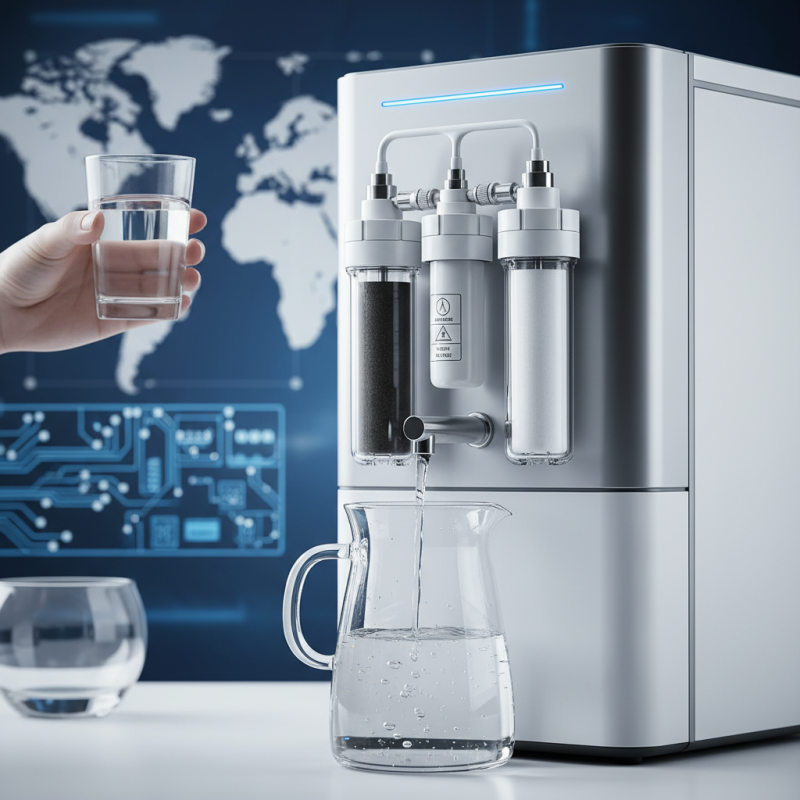
China's high purity water purifier market has seen significant growth in recent years. The demand for clean water is rising globally. Innovations in purification technology drive this market forward. With stricter regulations, the emphasis on water quality has never been stronger.
The variety of products available is remarkable. Different technologies are used to achieve high purity levels. Membrane filtration, reverse osmosis, and UV purification are common methods. Each method has its strengths and weaknesses, depending on the water source. Some challenges remain. Not all consumers understand these technologies well. They may struggle to choose the best option for their needs.
Market statistics show a push for sustainable solutions. Many buyers seek eco-friendly purifiers. However, the quality of materials used in production varies across manufacturers. Not every product meets global quality standards. This inconsistency is a concern for buyers aiming for reliability. The future of this market requires transparency and education. As awareness grows, informed decisions can lead to better choices in high purity purification systems.
Key Features of Top 10 High Purity Water Purifiers in China
When selecting high purity water purifiers, buyers must consider essential features. High purification rates are crucial. Many top models can achieve 99% purification efficiency. This means they effectively remove contaminants, ensuring safer drinking water.
Another key feature is the filtration technology used. Reverse osmosis and UV sterilization are common methods. Each has its advantages. For instance, reverse osmosis is great for removing dissolved solids. However, it may waste some water in the process. Understanding the pros and cons helps in making informed choices.
Buyers should also evaluate usability and maintenance. Some purifiers are easy to install and maintain. These are ideal for everyday use. Conversely, models requiring regular parts replacement can burden users. Check the availability of replacement filters. It's vital to keep systems running efficiently. A hassle-free experience makes a significant difference in daily life.
Market Trends Influencing High Purity Water Purifier Sales Globally
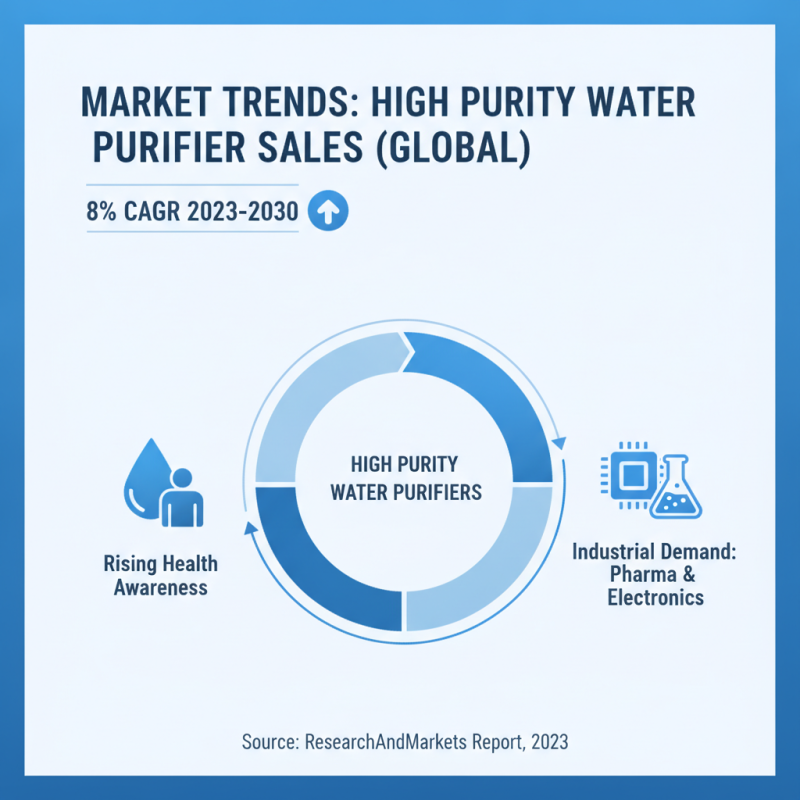
The global market for high purity water purifiers is experiencing notable shifts. According to a recent report by ResearchAndMarkets, the market is projected to grow at a compound annual growth rate (CAGR) of approximately 8% from 2023 to 2030. This growth is driven by rising health awareness and increasing demand for pure water in pharmaceuticals and electronics manufacturing.
Several trends are shaping sales in this sector. For instance, the rapid industrialization in emerging markets is pushing companies to invest in high-purity water systems. Moreover, stricter regulations regarding water quality are compelling industries to adopt advanced purification technologies. A report by MarketsandMarkets highlights that companies focusing on sustainable practices tend to gain a competitive edge. However, challenges remain, such as varying regional standards and the high initial investment for advanced systems, which can deter small businesses.
Customer preferences are also evolving, with a growing focus on energy-efficient and user-friendly designs. Research indicates that nearly 45% of global consumers prefer products that offer both efficiency and sustainability. Despite the positive trends, companies must continuously innovate to meet these changing demands. The water purifier industry is in a state of flux, reflecting both opportunities and obstacles for businesses aiming to capture a share of this burgeoning market.
Comparison of Purification Technologies Used in Top Chinese Brands
When evaluating high purity water purifiers from China, several purification technologies stand out. Reverse osmosis (RO) is a prevalent choice among users. This technology effectively removes contaminants from water, providing clean and safe drinking options. RO systems often incorporate additional filters for enhanced performance, which can vary by brand. However, not all setups optimize water retention, leading to waste.
Ultraviolet (UV) light is another noteworthy method. It disinfects water by destroying harmful microorganisms. UV systems are often compact, fitting well into home settings. But, they rely on clear water; murky sources may inhibit effectiveness. Regular maintenance is required to ensure performance, as lamp life can diminish over time.
Activated carbon filters are popular too, filtering taste and odor. These systems excel at improving flavor but may not remove all pathogens. Users should consider the lifespan of the carbon media. Sometimes, people forget to replace filters, leading to compromised water quality. Each technology has its strengths and weaknesses, requiring thoughtful choice based on specific needs and water quality.
Comparison of Purification Technologies Used in Top Chinese Water Purifiers
Regulatory Standards and Certifications for High Purity Water Purifiers in China
In recent years, the demand for high purity water purifiers has surged. This is particularly true in sectors like pharmaceuticals and laboratories. Meeting regulatory standards is crucial for these devices. In China, the National Standards of the People's Republic (GB) provide frameworks for product safety and efficacy.
Manufacturers must adhere to specific certifications. ISO 9001 is common for quality management. Additionally, purifiers often need the CE marking for compliance in international markets. Such certifications ensure that products meet safety and performance criteria. They assure buyers of reliability in their purification processes.
Tips: Always check for the latest compliance updates. Regulations can change quickly, affecting certification statuses. Researching allows buyers to make informed decisions.
Investing in a high purity water purifier requires careful scrutiny. Not all products will meet the necessary standards. Understanding these certifications helps avoid costly mistakes. A lack of clarity in guidelines can lead to confusion, often leaving users uncertain about their choices.
China Top 10 High Purity Water Purifier for Global Buyers
| Purifier Model |
Purity Level (ΔS/cm) |
Filtration Technology |
Volume (L/day) |
Regulatory Certifications |
| Model A |
0.055 |
Reverse Osmosis |
500 |
ISO 9001, CE |
| Model B |
0.1 |
Ultrafiltration |
300 |
RoHS, NSF |
| Model C |
0.02 |
Distillation |
700 |
ISO 13485, CE |
| Model D |
0.05 |
Mixed Bed Ion Exchange |
400 |
WQA Gold Seal, CE |
| Model E |
0.15 |
Nanofiltration |
600 |
ISO 9001, RoHS |
| Model F |
0.03 |
UV Filtration |
350 |
CE, NSF |
| Model G |
0.04 |
RO + UV Combination |
800 |
WQA Gold Seal, CE |
| Model H |
0.02 |
Carbon Filtration |
1100 |
ISO 9001, CE |
| Model I |
0.07 |
RO + UV + Mineralization |
900 |
NSF, RoHS |
| Model J |
0.1 |
Ultra-filtration |
500 |
ISO 13485, CE |