Leave Your Message

Why Choose a Cassette Autoclave for Dental Clinics?

A dental clinic’s sterilization workflow is tested between patients, not in a brochure. Instruments arrive wet, wrapped, and sometimes poorly arranged. A Cassette Autoclave can make this process more controlled, compact, and repeatable. Its enclosed cassette supports safer instrument handling after the cycle. That matters when treatment rooms are busy and every minute affects the next appointment.

Dental infection-control expert Dr. John A. Molinari has stated, “Infection prevention is everyone’s responsibility.” His point reaches beyond equipment selection. Staff must load cassettes correctly, choose suitable cycles, monitor indicators, and document results. A reliable Cassette Autoclave helps turn these actions into a visible routine. For example, a clinician can place handpieces and small instruments inside one cassette, transfer it with fewer direct touches, and open it near the treatment area. The difference is practical.

Small details matter.

Still, an autoclave is not a magic solution. Overloading the cassette can restrict steam contact. Inadequate cleaning can leave debris on instruments. A rushed operator may also skip routine checks. These weaknesses deserve honest attention. The best equipment cannot repair careless habits. Clinics should compare chamber size, cycle speed, drying performance, maintenance access, monitoring features, and staff training needs. They should also follow the manufacturer’s instructions and applicable professional guidance.

Choosing a Cassette Autoclave is therefore a workflow decision, not merely a purchasing decision. It can support efficient instrument turnover and consistent sterilization practices. Its value becomes clearer when the team uses it correctly, records each cycle, and reviews failures without defensiveness. That last part is easy to overlook. Reliable infection control improves through repeated observation, correction, and practice.

Why Choose a Cassette Autoclave for Dental Clinics?

What Is a Cassette Autoclave?

Why Choose a Cassette Autoclave for Dental Clinics?

What Is a Cassette Autoclave?

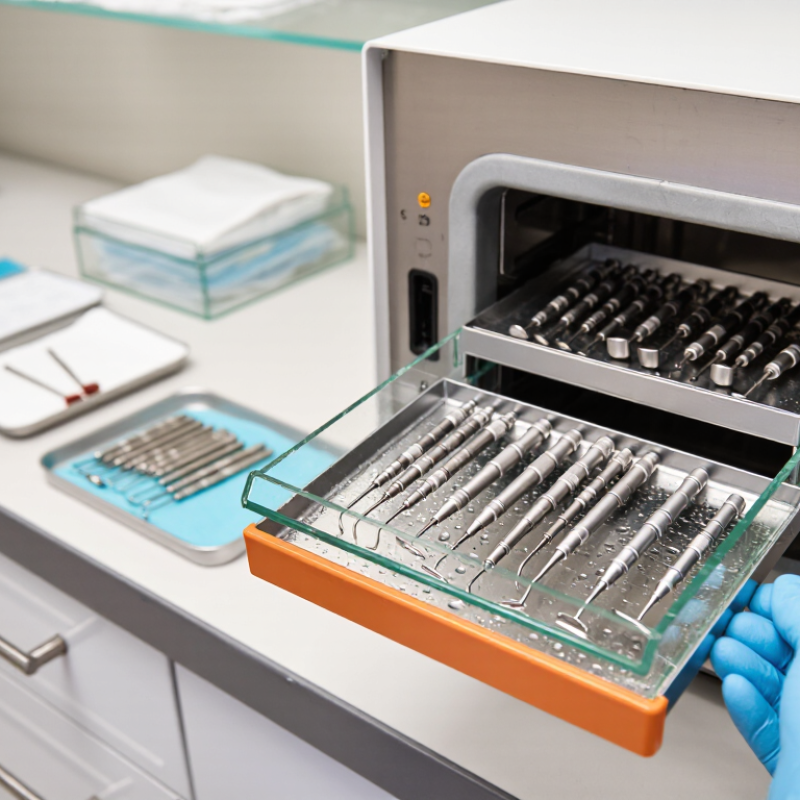
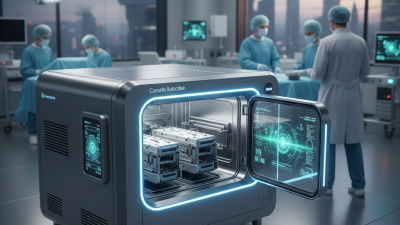
A cassette autoclave is a compact steam sterilizer designed for dental instruments. Instruments sit inside a sealed, reusable cassette during processing. The cassette supports organized loading, safer transport, and easier handling after sterilization. It can move directly from the treatment room to the sterilization area. That matters.

During a cycle, saturated steam removes microorganisms from exposed instrument surfaces. Correct cleaning must happen before sterilization. Blood, debris, and narrow hinges can block steam contact. A cassette cannot fix poor preparation. This point is easy to underestimate.

Dental clinics often need fast instrument turnover between patients. A cassette system may reduce handling and keep sets together. However, speed should never replace verification. The CDC’s 2016 dental infection prevention guidance recommends mechanical and chemical monitoring for every load. It also recommends biological monitoring at least weekly, preferably with every load. ANSI/AAMI ST79 supports at least weekly biological monitoring for steam sterilizers. Staff should record cycle data, indicator results, and maintenance actions. Small details reveal problems early. A wet pack, damaged cassette seal, or overloaded chamber needs investigation. The process is not perfect, and routine review remains necessary.

How Does Cassette-Based Sterilization Work?

A cassette autoclave uses a sealed metal cassette to hold dental instruments during sterilization. The cassette keeps instruments organized, reduces handling, and supports a controlled path for steam. After cleaning, instruments are placed inside with enough space for steam contact. Hinges should remain open unless the operating instructions specify otherwise. The cassette then enters the chamber, where air is removed and saturated steam reaches the load under pressure. Heat, moisture, pressure, and exposure time work together. Pressure alone does not sterilize.

During the cycle, steam contacts instrument surfaces and transfers heat into joints, lumens, and textured areas. The exact cycle depends on the load, packaging method, and autoclave design. A trained operator checks chemical indicators and reviews the cycle record before releasing instruments. Wet packs, blocked vents, or overloaded cassettes can compromise results. Small details matter. In a busy clinic, this organization also limits contact with sharp instruments and reduces setup time.

After sterilization, the cassette may dry inside the chamber before removal. Staff should inspect seals, hinges, and indicator changes, then store it in a clean, protected area. My practical caution is simple: a cassette is not a substitute for thorough cleaning. Blood and debris can shield surfaces from steam. Automated workflows feel dependable, but they still need routine monitoring, maintenance, and staff judgment. No cycle is perfectly forgiving.

Why Choose a Cassette Autoclave for Dental Clinics? - How Does Cassette-Based Sterilization Work?

Sterilization Aspect How Cassette-Based Sterilization Works Typical Technical Information Dental Clinic Benefit
Instrument Loading Dental instruments are arranged inside a perforated cassette or cassette tray before sterilization. Instruments must be opened, separated, and positioned according to the sterilizer and instrument manufacturers’ instructions. Improves organization and reduces direct handling of contaminated or freshly sterilized instruments.
Air Removal The sterilizer removes air, or uses gravity displacement, so steam can contact instrument surfaces and internal areas. Pre-vacuum cycles are designed to improve air removal from porous loads and hollow instruments; cycle availability depends on the equipment. Supports more consistent steam penetration when the cassette is correctly loaded.
Steam Exposure Saturated steam transfers heat to the instruments and denatures microorganisms’ proteins. Common validated steam exposure temperatures include 121°C or approximately 132–135°C. Exposure time varies by cycle, load, and device instructions. Provides a widely established method for sterilizing heat- and moisture-resistant dental instruments.
Pressure and Temperature Relationship Pressure is used to achieve the required saturated-steam temperature; pressure itself is not the primary sterilizing agent. Approximate saturated-steam reference points are 121°C at about 15 psi and 134°C at about 30 psi, subject to altitude and equipment design. Helps staff understand why cycle parameters must be monitored rather than relying on pressure alone.
Exposure Time The cassette remains in the chamber for the validated sterilization exposure phase after the required temperature is reached. Typical exposure references are about 15–30 minutes at 121°C or about 3–4 minutes at 132–135°C, but the equipment cycle and load instructions take priority. Allows clinics to select appropriate cycles for routine instruments and specific load types.
Drying After steam exposure, the chamber removes moisture through a drying phase before the cassette is released. Drying duration depends on the sterilizer, cassette configuration, load size, wrapping, and instrument materials. Dry instruments are easier to store safely and are less likely to experience moisture-related package contamination.
Aseptic Transfer The cassette can remain closed after sterilization, allowing instruments to be transported to the treatment area with limited handling. The cassette is not a substitute for sterilization packaging or proper sterile storage when instruments are not used immediately. Reduces the opportunity for accidental contact during movement from the sterilizer to the dental operatory.
Instrument Protection The cassette keeps instruments contained and can reduce contact with chamber surfaces, counters, and other items. Sharp, hinged, delicate, and hollow instruments still require correct preparation, opening, lubrication where applicable, and positioning. May help reduce damage, misplacement, and unnecessary reprocessing caused by poor instrument handling.
Cycle Monitoring Physical parameters, chemical indicators, and biological indicators are used to verify sterilization performance. Every load should be monitored according to local regulations and the sterilizer manufacturer’s instructions; biological monitoring commonly uses resistant bacterial spores. Creates documented evidence that the sterilization process was monitored and completed correctly.
Workflow Efficiency Instruments remain grouped by procedure or operatory instead of being handled individually after cleaning. Actual processing time depends on cycle selection, load size, drying requirements, and the number of cassettes available. Can support faster setup and more predictable instrument turnover without assuming that every cycle is shorter.
Compatibility The system is intended for instruments that tolerate the selected steam sterilization temperature, pressure, moisture, and drying conditions. Heat-sensitive or moisture-sensitive items require an alternative validated sterilization method. Helps prevent unsuitable items from being placed in a steam autoclave.
Quality Control Cleaning, inspection, cassette loading, sterilization, drying, storage, and recordkeeping form one controlled workflow. Sterilization cannot compensate for inadequate cleaning; visible soil must be removed before instruments enter the sterilizer. Promotes repeatable processing and supports infection-prevention requirements in dental settings.

Note: Cycle temperatures, exposure times, loading limits, drying requirements, and monitoring procedures must follow the sterilizer manufacturer’s validated instructions, instrument instructions for use, and applicable local regulations.

What Benefits Does It Offer Dental Clinics?

A cassette autoclave can make instrument processing more practical in busy dental clinics. Its removable chamber holds instruments in a compact cassette, supporting organized loading and safer handling after sterilization. Many models offer rapid cycles, which can reduce waiting time between patients. This helps clinics maintain smoother room turnover without rushing critical steps. In daily use, clear displays and automatic cycle records also support traceability. These records help staff confirm that each load reached the required conditions.

The main benefit is consistency.
Staff can follow a repeatable process for cleaning, packaging, sterilizing, and storing instruments. A dry cycle may also reduce moisture on wrapped items, although results depend on loading and maintenance. It is not magic. Overloading the cassette, using unsuitable packaging, or skipping water-quality checks can weaken performance. Clinical teams should follow validated instructions and applicable infection-control standards. Regular servicing remains essential, even when the machine appears to work normally.

Tips: Train every operator with hands-on practice. Place instruments loosely inside the cassette. Check seals, filters, and cycle indicators routinely. Keep maintenance logs easy to access. Do not judge sterility by appearance alone. A practical review of failed or delayed cycles can reveal small workflow problems before they become repeated risks.

Which Dental Instruments Suit Cassette Autoclaves?

Cassette autoclaves suit dental instruments that need fast, separated processing between patients. Their rigid trays protect sharp edges, organize small components, and reduce handling after sterilization. This matters for diagnostic sets, scalers, mirrors, extraction forceps, elevators, and matrix retainers. Handpieces may also fit, but only when the chamber, cassette, and cycle are approved for them.

Choose carefully.

The CDC’s 2016 dental infection-control guidance classifies surgical instruments as critical and requires heat sterilization for heat-tolerant items. It also recommends sterilizing heat-tolerant semicritical instruments, including oral mirrors and reusable impression trays. A cassette system supports this workflow by keeping instruments contained from loading through delivery. AAMI ST79 emphasizes correct loading, drying, monitoring, and recordkeeping for steam sterilization. A wet cassette is not a successful result.

Avoid using cassettes for instruments that exceed the tray’s dimensions, block steam contact, or contain materials unsuitable for steam. Some delicate components need manufacturer-approved cycles or separate processing. In practice, staff often overfill cassettes during busy sessions. That weakens cleaning and may prevent sterilant penetration. The CDC also advises following the instrument and sterilizer manufacturers’ written instructions. That sounds obvious, yet rushed clinics still treat “fits inside” as “safe to sterilize.” It is not. A practical audit should check hinge movement, lumen access, packaging condition, chemical indicators, and biological monitoring records.

What Should Clinics Consider Before Choosing One?

Why Choose a Cassette Autoclave for Dental Clinics?

What Should Clinics Consider Before Choosing One?

Choosing a cassette autoclave starts with workflow, not appearance. During a busy morning, staff may process several instrument cassettes between patients. A small chamber can create repeated delays. Measure the busiest hour. Count wrapped packs, handpieces, and hollow instruments. Then compare that demand with the validated load capacity, not the advertised maximum. More capacity is not always better. A larger unit may require more bench space and longer heating times.

Check whether the available cycles suit the instruments your clinic uses. Some loads need specific temperature, exposure, and drying conditions. Wet packaging can compromise storage and handling. It is an easy detail to overlook. Review water requirements, filter changes, and daily cleaning steps before purchase. Clear displays help, but staff still need practical training. Cycle records should be easy to review and retain for quality control.

Maintenance access matters as much as speed. Ask how quickly qualified technicians can respond and whether essential parts are available locally. A useful evaluation includes noise, heat, door clearance, and placement near the cleaning area. Do not rely only on a demonstration with an empty chamber. Test a realistic load. Ideally, include wrapped cassettes and narrow internal channels. The first choice may not be perfect. Clinics should reassess after several weeks and record delays, failed cycles, and staff concerns.