What Is a Water Quality Meter and How Does It Work?
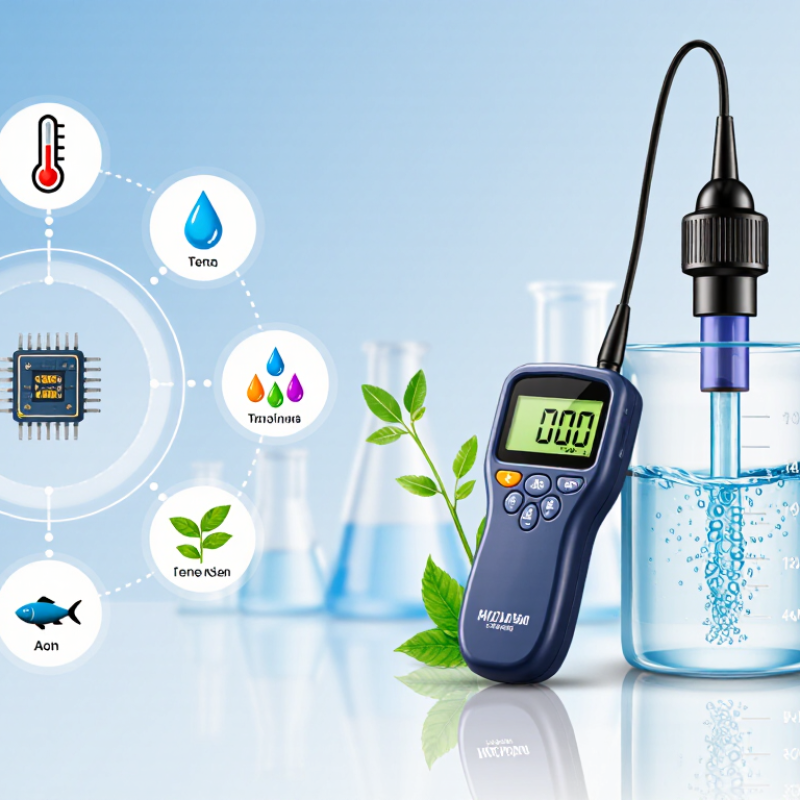
A Water Quality Meter is a practical instrument for checking invisible changes in water. It can reveal pH, temperature, electrical conductivity, total dissolved solids, salinity, dissolved oxygen, or other selected parameters. The exact functions depend on the sensor design. A handheld model may fit beside a sampling bottle. A laboratory meter may require a controlled bench, fresh standards, and careful handling.
The basic process is straightforward. A probe contacts the sample, detects a chemical or physical response, and converts that response into a numerical reading. For example, a conductivity sensor measures how easily electricity moves through water. A pH electrode responds to hydrogen-ion activity. The meter then displays the result on a screen. Small details matter. Residue on the probe can distort readings. Temperature can shift conductivity. Poor calibration can create confident-looking errors.
Dr. Peter Gleick, a leading water researcher and co-founder of the Pacific Institute, has emphasized, “We must find ways to meet human needs for water while protecting the health of ecosystems.” That responsibility gives measurement a larger purpose. Reliable data supports treatment checks, aquaculture management, environmental monitoring, and safer field decisions. Still, a meter is not an oracle. It cannot identify every contaminant, replace laboratory testing, or explain every unusual result. Even experienced users can overlook a dirty sensor or an unsuitable sample container. This guide examines how a Water Quality Meter works, what its readings actually mean, and where its limitations deserve honest attention. The numbers help. They are not the whole story.
What Is a Water Quality Meter?
A water quality meter is a portable or bench-top instrument that measures selected properties of water. It does not test “quality” as one simple score. Instead, it reads indicators such as pH, temperature, conductivity, dissolved oxygen, turbidity, or total dissolved solids. Each value describes a different condition.
The working process is straightforward. A probe contacts the sample and detects an electrical, optical, or chemical response. The meter converts that response into a digital reading. For example, a pH sensor responds to hydrogen-ion activity, while a conductivity sensor measures how easily electricity passes through water. The result may appear within seconds. Still, the number is only useful when the probe is clean, calibrated, and used correctly.
The World Health Organization’s Guidelines for Drinking-water Quality identifies pH, turbidity, and disinfectant residual as important operational indicators. The WHO and UNICEF Joint Monitoring Programme reported that 2.2 billion people lacked safely managed drinking water in 2022. That figure shows why reliable field checks matter, especially where laboratory access is limited. Yet a meter is not an oracle. A high conductivity reading may suggest dissolved salts, but it cannot identify every contaminant. Temperature, sample containers, air bubbles, and poor calibration can distort results. A careful operator records sampling time, location, temperature, and calibration status instead of trusting one attractive number.
What Parameters Does a Water Quality Meter Measure?
What Is a Water Quality Meter and How Does It Work?
What Parameters Does a Water Quality Meter Measure?
A water quality meter uses probes, electrodes, or optical sensors to examine specific water conditions. It does not identify every contaminant. Instead, it measures selected physical and chemical parameters.
pH shows whether water is acidic, neutral, or alkaline. Temperature matters because many readings change with heat. Conductivity indicates how easily water carries an electrical current. Higher conductivity often suggests more dissolved ions, such as salts or minerals. Total dissolved solids, or TDS, estimates the amount of dissolved material from conductivity. It is useful, but not a direct contaminant test.
Dissolved oxygen measures oxygen available for aquatic life and biological processes. Turbidity describes cloudiness caused by suspended particles. Some meters also measure salinity, oxidation-reduction potential, and chlorine. Each parameter needs the correct sensor and testing method. Calibration is essential. A technician may calibrate pH with standard solutions before testing a tank or stream sample. Rinsing the probe with clean water also helps prevent carryover between samples.
Readings should be recorded with time, temperature, and sampling location. A clean-looking result can still mislead. Conductivity may appear normal while harmful substances remain undetected. Sensors can drift, especially after long storage or rough field use. Laboratory analysis may still be necessary for drinking water decisions. A water quality meter provides fast evidence, not a complete safety certificate.
How Does a Water Quality Meter Work?
A water quality meter is a handheld instrument that checks specific properties in water. How does it work? It uses sensors that react to chemical or physical changes in a sample. The meter then converts those reactions into readings on its display. Common measurements include pH, electrical conductivity, temperature, total dissolved solids, and turbidity.
The user places the clean probe into the water and waits for the numbers to stabilize. A pH sensor measures hydrogen ion activity, showing whether water is acidic or alkaline. Conductivity sensors detect how easily electricity travels through the sample. More dissolved ions usually create higher conductivity. Temperature matters because it changes sensor behavior, so many meters use automatic temperature compensation.
The process is practical, but not perfect. In field testing, residue on a probe can distort results within seconds. Calibration with certified reference solutions improves reliability. Rinsing the sensor with clean water also prevents cross-contamination between samples. I would not treat one reading as absolute proof of water safety. A cloudy sample, damaged probe, or unstable temperature can mislead the operator. Laboratory testing remains important when health decisions depend on the result. Some meters also estimate dissolved solids from conductivity, rather than measuring every substance directly. That difference is easy to overlook.
What Is a Water Quality Meter and How Does It Work?
A water quality meter uses probes to detect properties such as electrical conductivity, temperature, pH, or dissolved oxygen. The instrument converts the probe signal into a readable value. Because conductivity changes with temperature, many meters apply automatic temperature compensation.
Chart: Estimated conductivity response of water with a nominal conductivity of 500 µS/cm at 25 °C. The calculation uses the commonly applied approximate temperature coefficient of 2% per degree Celsius. Actual results vary with water composition and calibration.
What Are the Main Types of Water Quality Meters?
A water quality meter is a handheld or stationary instrument that measures physical and chemical conditions in water. It uses sensors to detect changes in electrical current, light, temperature, or chemical activity. The meter converts these signals into readings, such as pH, conductivity, turbidity, or dissolved oxygen. In practice, I treat each result as a measurement, not an absolute truth. Calibration, sample temperature, and dirty probes can change the outcome.
pH meters show whether water is acidic, neutral, or alkaline. They are useful for aquariums, laboratories, pools, and treatment checks. Conductivity and total dissolved solids meters estimate dissolved ionic material through electrical conductivity. They can reveal sudden changes, but they cannot identify every substance present. Turbidity meters shine light through a sample and measure scattered light. Cloudier water usually produces a higher reading. Dissolved oxygen meters measure oxygen available to aquatic organisms. This matters in ponds, streams, and biological treatment systems. Some models also measure oxidation-reduction potential, which helps assess chemical reactions in water.
Multi-parameter meters combine several sensors in one probe. They save time during field inspections, although one damaged sensor can affect confidence in the whole set. Good practice means rinsing probes, checking calibration solutions, and recording temperature with every sample. Readings should be compared with a reliable baseline and, when decisions matter, confirmed by laboratory analysis. Small mistakes happen. Field conditions vary.
How Should a Water Quality Meter Be Used and Maintained?
A water quality meter measures conditions such as pH, temperature, conductivity, total dissolved solids, or dissolved oxygen. Its value depends on correct use, not only technical specifications. The WHO/UNICEF Joint Monitoring Programme reported that 2.2 billion people lacked safely managed drinking water in 2022. Reliable field measurements therefore support better decisions, especially where laboratory access is limited.
Use a clean container and collect a representative sample away from walls, sediment, or floating debris. Rinse the probe with sample water before measurement. Keep the sensor submerged at the required depth, then wait for a stable reading. Record the value, temperature, location, time, and unusual observations. Do not touch the sensing surface. Small habits matter. The U.S. Environmental Protection Agency recommends documented calibration and quality-control procedures for environmental measurements. Calibrate pH sensors with fresh, traceable buffer solutions. Check conductivity standards regularly. Never use expired solutions.
Maintenance should begin immediately after testing. Rinse the probe with clean water, remove deposits gently, and store each sensor according to its technical instructions. Some electrodes require a storage solution; dry storage can cause irreversible damage. Inspect cables, seals, and displays for cracks or moisture. Replace batteries before important sampling work. The ISO 5667 water-sampling series emphasizes representative sampling, preservation, and documented handling. A meter can appear precise while the operator is careless. That is the uncomfortable weakness. Recheck suspicious results with a second measurement or laboratory method, because calibration drift, contamination, and temperature changes can quietly distort the reading.