What is a Water Conductivity Meter and How Does it Work?
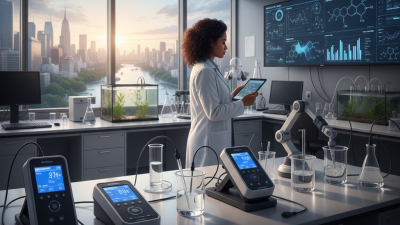
A Water Conductivity Meter is an essential tool in various fields. It determines the conductivity of water, indicating its purity and quality. This device measures the ability of water to conduct electricity, which relates directly to the concentration of ions in the water.
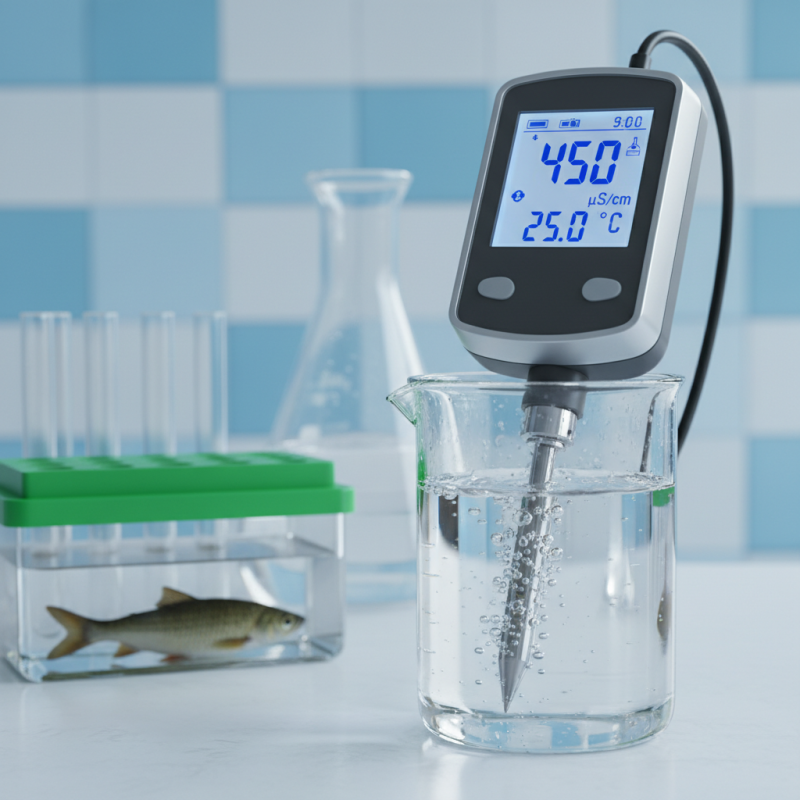
These meters are crucial in labs, aquaculture, and environmental monitoring. For example, they help aquarium owners maintain healthy conditions for fish. A high conductivity reading often indicates the presence of contaminants. This could be anything from salts to harmful chemicals. Regular checks with a Water Conductivity Meter can prevent serious issues.
Using one of these meters can appear straightforward, yet challenges may arise. Improper calibration can lead to misleading results. It's vital to understand how to use this tool effectively. Not everyone achieves accurate measurements every time. This truth reminds users to continually learn and refine their skills.
What is a Water Conductivity Meter?
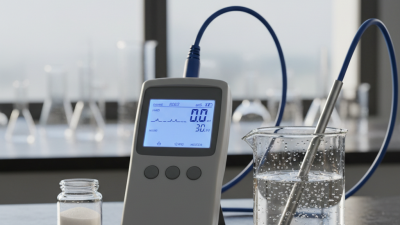
A water conductivity meter is a vital tool used to measure the electrical conductivity of water. It provides insights into the concentration of ions, such as salts and minerals. This measurement helps in determining the water's quality. Understanding conductivity can be pivotal in many fields, like agriculture and environmental monitoring.
The device operates by sending an electric current through the water sample. The flow of this current correlates directly to the ionic content within the water. Higher conductivity indicates more dissolved ions, while lower conductivity suggests purer water. Users often forget that temperature impacts these readings. Conductivity can vary with temperature changes. This factor requires careful consideration during measurements.
When using a water conductivity meter, calibration is essential. It is not uncommon for users to skip this step, leading to inaccurate readings. Proper care and maintenance of the meter can also be overlooked. Regular cleaning and ensuring the probes are intact can prevent problems. Reflecting on these details can lead to more accurate and reliable results in water testing.
Water Conductivity Measurements Over Time
This bar chart represents the conductivity levels of water samples collected over a month. Conductivity, measured in microsiemens per centimeter (µS/cm), indicates the ability of water to conduct electrical current, which is influenced by the concentration of ions in the water.
The Principle Behind Water Conductivity Measurement
Water conductivity meters measure how well water can conduct electricity. This property depends on the concentration of ions in the water. Ionic compounds, like sodium chloride, dissociate into ions when dissolved. These ions enable electric current to flow. The more ions present, the higher the conductivity reading.
The principle behind conductivity measurement is straightforward. When a voltage is applied to the water, it creates an electric field. The ions move towards the electrodes, allowing the meter to measure how much current flows. This measurement translates into a conductivity value. It reflects water quality, evaluating purity or contamination levels.
Tips for using a water conductivity meter: Calibrate the device regularly to ensure accuracy. Rinse the electrodes with distilled water. Avoid using tap water, which may interfere with results. Always follow instructions for a reliable reading. Remember, conductivity can fluctuate with temperature, so take note of conditions.
What is a Water Conductivity Meter and How Does it Work? - The Principle Behind Water Conductivity Measurement
| Parameter |
Value |
Unit |
Importance |
| Conductivity |
500 |
µS/cm |
Indicates ion concentration in water |
| Temperature |
25 |
°C |
Affects conductivity readings |
| Salinity |
0.5 |
g/L |
Correlation to conductivity |
| pH |
7.0 |
- |
Indicates acidity/alkalinity |
| Dissolved Oxygen |
8.0 |
mg/L |
Essential for aquatic life |
Components of a Water Conductivity Meter
A water conductivity meter is essential for measuring the conductivity of water. This device helps determine the ion concentration in water. Understanding its components is crucial for effective use.
The meter consists of a sensor, display, and calibration unit. The sensor often includes two electrodes. These electrodes measure how easily electricity flows through the water. A clear display presents the results in real-time. Calibration units ensure accurate readings by comparing against known standards.
When using a conductivity meter, clean the electrodes regularly. Dirty electrodes can give inaccurate readings. Also, ensure the calibration solution is fresh. Tips like these improve the reliability of your measurements. Pay attention to the temperature, as it affects conductivity. Higher temperatures usually yield higher conductivity readings.
Reflecting on these elements can enhance your results. Sometimes, unexpected outcomes occur. Perhaps the water source is unusual. Always cross-check your findings to ensure consistency. These practices will help you refine your approach.
How to Use a Water Conductivity Meter Effectively
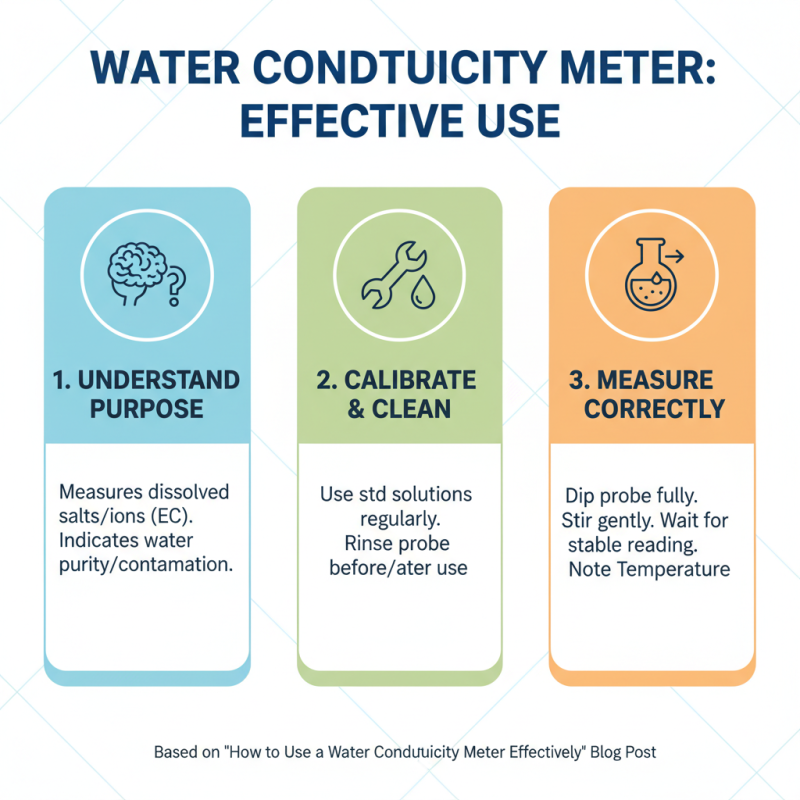
Using a water conductivity meter effectively requires a clear understanding of its purpose. These meters measure the ability of water to conduct an electric current. This conductivity can indicate the concentration of dissolved salts and minerals. The higher the conductivity, the greater the concentration of ions. A recent industry report shows that typical conductivity levels in freshwater range from 50 to 1500 µS/cm.
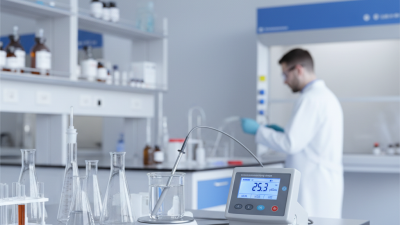
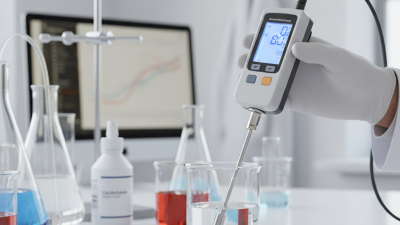
To use a water conductivity meter, start by calibrating it. Calibration ensures accuracy. Follow the manufacturer's guidelines for best results. After calibration, submerge the probe in the water sample, ensuring it is fully covered. Monitor the reading, taking note of fluctuations. For precise measurements, consider taking samples at different times of day. Environmental factors, like temperature, can affect readings.
Keep in mind that while conductivity meters provide valuable insights, they have limitations. They may not differentiate between types of ions present. This could lead to misinterpretations of water quality. Furthermore, older meters might give inconsistent results. Regular maintenance and calibration are crucial. Understand these nuances for effective use of your water conductivity meter.
Applications of Water Conductivity Meters in Various Fields
Water conductivity meters are essential tools in many fields. They measure the ability of water to conduct electricity, which indicates its purity and ion concentration. In agriculture, farmers use these meters to monitor soil moisture. This helps them understand irrigation needs, ensuring crops receive the right amount of water.
In environmental science, these meters play a crucial role. Researchers assess water quality in rivers and lakes. They can identify pollution levels and track changes over time. However, this process isn't flawless. Instruments can sometimes give inaccurate readings. Calibration is vital, but it may be overlooked.
Aquariums also benefit from conductivity meters. Hobbyists check water levels for fish health. Incorrect readings can lead to issues in tank ecosystems. Accurate data helps maintain a balanced environment. Overall, the applications of conductivity meters are vast and impactful, but the potential for human error remains a concern.