How to Use a Total Dissolved Solids Meter for Water Quality Testing
In the realm of water quality testing, the importance of monitoring Total Dissolved Solids (TDS) cannot be overstated. With increasing concerns over water pollution and its impact on health, the use of a Total Dissolved Solids Meter has become an essential practice for both professionals and environmental enthusiasts alike. Dr. Emily Carter, a renowned expert in environmental science, asserts that "understanding the levels of total dissolved solids is critical in assessing water quality and ensuring safe drinking standards."
Utilizing a Total Dissolved Solids Meter allows individuals and organizations to gain valuable insights into the purity of water. By measuring the concentration of dissolved ions and particles, this device helps identify contamination levels and informs necessary actions for water treatment. Whether for personal use or industrial applications, the TDS meter serves as a fundamental tool in safeguarding public health and preserving natural resources.
As we delve deeper into the methods and best practices for using a Total Dissolved Solids Meter, it’s vital to recognize the significant role it plays in promoting water quality awareness. By embracing this technology, we can better protect our water supplies and contribute to a healthier environment for generations to come.
Understanding Total Dissolved Solids (TDS) and Its Importance in Water Quality
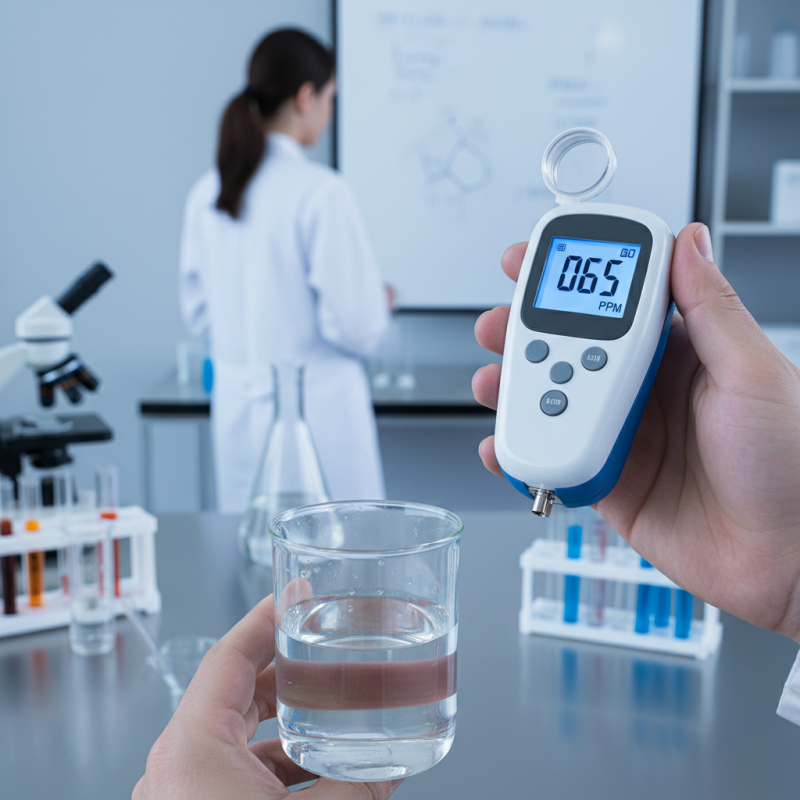
Total Dissolved Solids (TDS) refers to the total concentration of dissolved substances in water, which includes inorganic salts, organic matter, and other pollutants. Measuring TDS is crucial because it provides insight into water quality and its suitability for various uses, such as drinking, irrigation, and industrial processes. High levels of TDS can indicate the presence of contaminants, which may harm human health or affect ecosystem balance. Understanding the significance of TDS helps ensure that water meets environmental standards and safety regulations.
The importance of TDS in water quality cannot be overstated. Elevated TDS levels can lead to unpleasant tastes and odors in drinking water, potentially making it less palatable. Moreover, high TDS can also contribute to scaling in pipes and fixtures, impacting infrastructure longevity and efficiency. Conversely, low TDS levels might indicate the absence of essential minerals that are beneficial for health. Monitoring TDS helps water quality managers and individuals alike to make informed decisions about water treatment and conservation practices, ensuring access to safe and clean water for all.
Components of Total Dissolved Solids: Common Substances in Water
Total Dissolved Solids (TDS) refer to the total concentration of dissolved substances present in water, which can significantly affect its quality. Common constituents of TDS include minerals, salts, and organic matter. Key minerals often found in water include calcium, magnesium, sodium, and potassium, which originate from natural sources like soil and rocks. These minerals are essential for both human health and aquatic ecosystems, but their concentrations need to be carefully monitored to ensure water remains safe for consumption and use.
In addition to minerals, various salts contribute to the TDS levels in water. Sodium chloride, for example, is a prevalent salt that can enter water systems from road runoff and agricultural activities. Moreover, nitrates and phosphates, commonly found in fertilizers, can leach into water bodies, impacting both the TDS levels and overall water quality. Excessive concentrations of these substances can lead to health risks and environmental concerns, such as algal blooms. Understanding the components of TDS is crucial for effective water quality management, helping to ensure that water resources remain clean and sustainable for future generations.
How to Properly Calibrate a TDS Meter for Accurate Measurements
Proper calibration of a Total Dissolved Solids (TDS) meter is crucial for obtaining accurate measurements in water quality testing. Before starting any measurement, ensure that the meter is clean and free from any residue. Calibration should ideally be done using a standard solution with a known concentration of TDS. This allows you to adjust the meter according to a reliable reference point, which enhances the precision of your readings.
To calibrate the TDS meter, immerse the probe in the calibration solution and allow it to stabilize. Most meters have a calibration mode that can be activated by following specific instructions in the manual. Adjust the meter display until it matches the known value of the calibration solution. It’s important to perform this calibration regularly, especially if the meter is used frequently or has been exposed to extreme environmental conditions. After calibration, rinse the probe with distilled water to avoid contamination during subsequent measurements. Proper calibration is a vital step in ensuring your TDS readings reflect the true quality of the water being tested.
Step-by-Step Guide to Conducting Water Quality Tests Using a TDS Meter
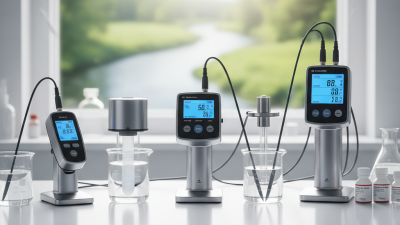
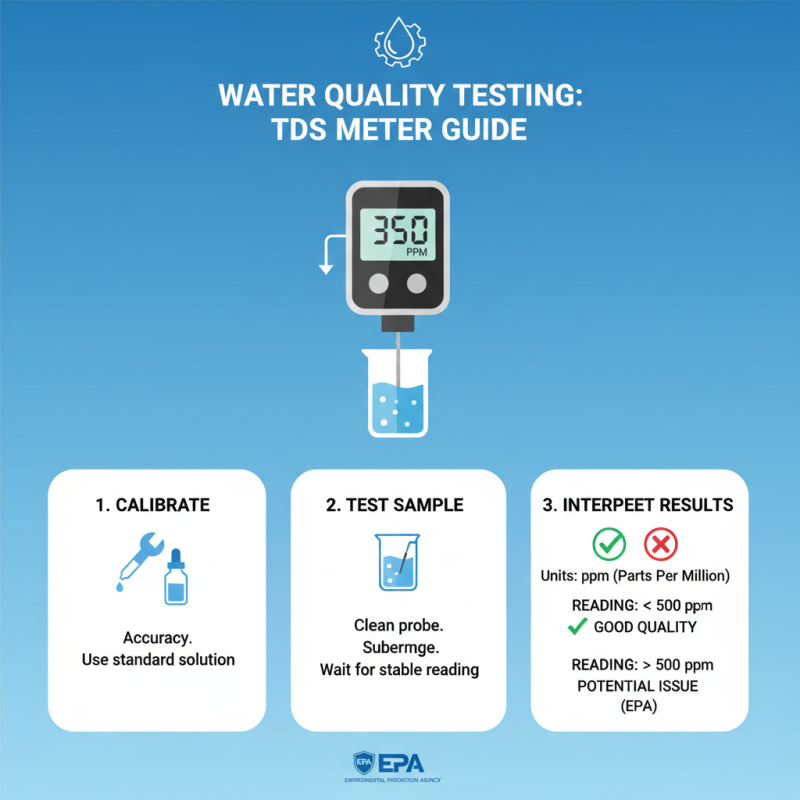
When testing water quality, a Total Dissolved Solids (TDS) meter serves as an essential tool for determining the concentration of dissolved substances in water. To effectively carry out water quality tests using a TDS meter, start by calibrating the device according to the manufacturer's instructions, typically using a standardized solution. This calibration ensures accuracy in measurements. Next, collect a water sample and ensure that the meter's probe is clean. Submerge the probe in the sample water and wait for the reading to stabilize. Most TDS meters measure in parts per million (ppm), with readings above 500 ppm indicating a potential issue, as recommended by the Environmental Protection Agency (EPA).
Once you obtain the TDS reading, interpret the results in accordance with established standards. For instance, freshwater sources typically register TDS levels between 0 and 300 ppm, while levels above 1000 ppm often suggest poor water quality. According to a report by the World Health Organization (WHO), there is a direct correlation between high TDS levels and the likelihood of contaminants, which adversely affect human health. After completing your tests, document the results for future reference and comparison, as consistent monitoring can help identify any trends in water quality over time.
Interpreting TDS Readings: Guidelines for Safe Drinking Water Standards
When it comes to ensuring the safety of drinking water, understanding Total Dissolved Solids (TDS) readings is crucial. TDS meters provide a measurable way to assess the concentration of dissolved substances in water, including minerals, salts, and organic matter. Safe drinking water standards generally recommend that TDS levels be below 500 mg/L. Levels above this threshold can indicate water quality issues and the potential presence of harmful contaminants that could affect health.
Interpreting TDS readings involves considering various factors, including the source of the water and its intended use. For instance, natural bodies of water often have different TDS levels depending on environmental conditions. A high TDS reading might not always imply immediate danger; some minerals are beneficial while others can be harmful. Therefore, it is important to look at the individual components of TDS rather than relying solely on the total number. Regular monitoring and testing can offer broader insights into water quality, allowing for informed decisions about consumption and treatment methods.
Water Quality Testing: TDS Levels Comparison
This chart displays the Total Dissolved Solids (TDS) levels in various water sources compared to safe drinking water standards. The safe TDS level for drinking water is typically below 500 mg/L.