2026 How to Use a Conductivity Tester Effectively?
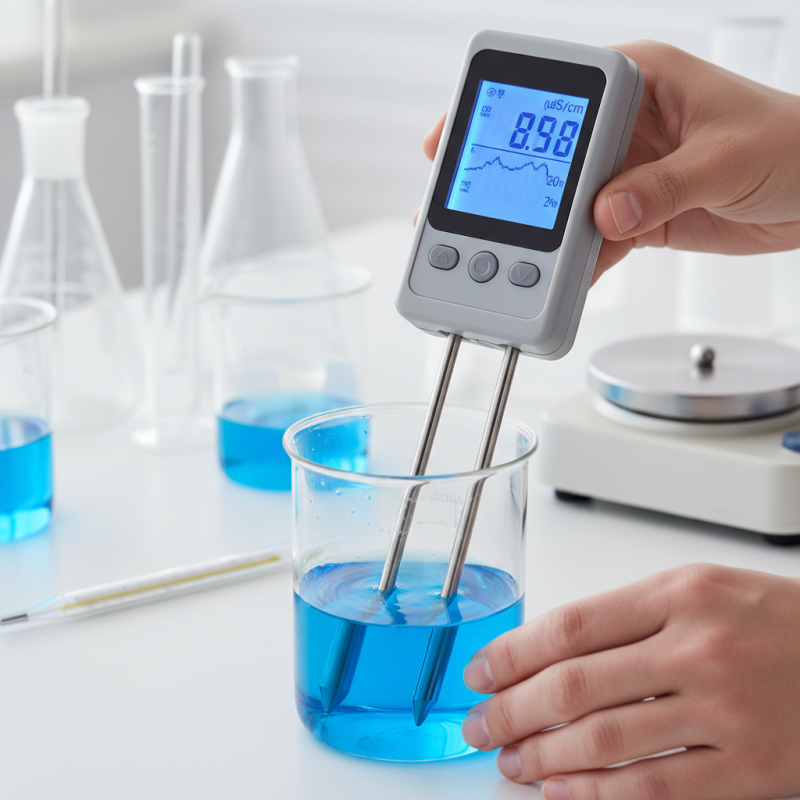
Understanding how to use a Conductivity Tester is essential for various applications. This device measures the electrical conductivity of solutions. Knowing how to operate it can lead to better results in experiments and industrial processes.
In practical terms, using a Conductivity Tester requires attention to detail. It's not just about pushing buttons. The preparation of the solution can affect the accuracy of readings. Rinsing the probes and calibrating the device are skills that often require practice. Mistakes can lead to misleading results, so proper technique is vital.
Being mindful of environmental conditions also matters. Temperature changes can alter conductivity readings. An effective user must adapt to these factors. Learning the nuances of the Conductivity Tester is a journey. Reflection on each measurement can help improve future usage. Experience plays a crucial role in mastering this tool.
Understanding the Basics of Conductivity Testing
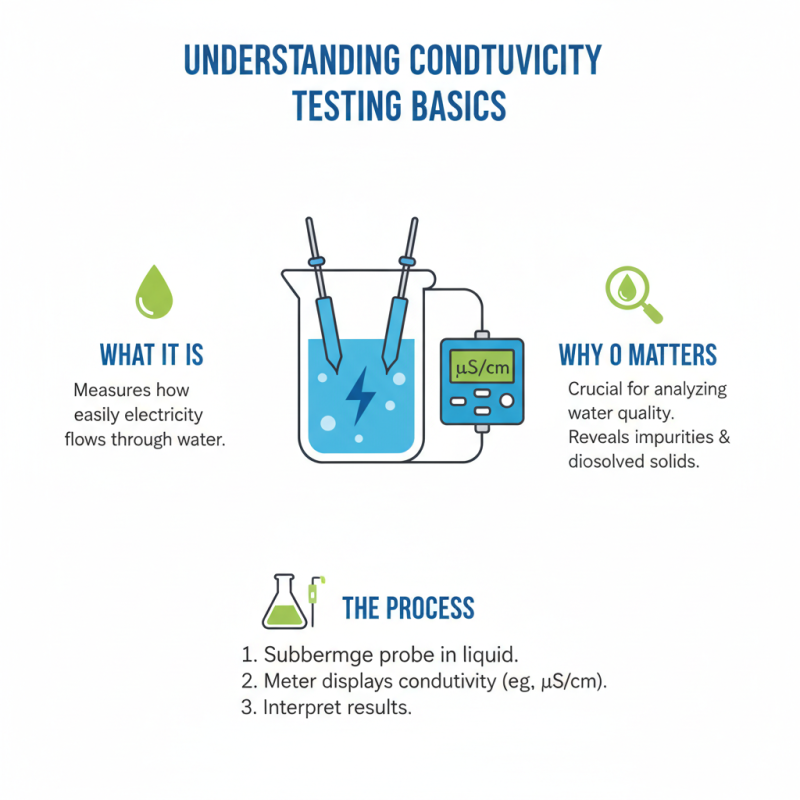
Conductivity testing is essential for analyzing water quality. It measures how easily electricity flows through a liquid. The process can reveal critical information about the water. Understanding these basics is key to effective testing.
Conductivity testers usually consist of two electrodes. These electrodes measure the electrical current passing through the water. Various factors affect conductivity, such as temperature and impurities in the water. Higher conductivity often indicates more dissolved solids. However, this relationship can be misleading. Some substances may not contribute to usability, despite high conductivity readings.
When using a conductivity tester, calibration is vital. A poorly calibrated device can deliver inaccurate results. Regularly check the calibration against known standards. Additionally, keep the electrodes clean for better accuracy. If a reading seems off, examine the sample. It might contain unexpected contaminants. Testing can sometimes feel like a trial and error process. It's essential to reflect on results and improve methods for reliable outcomes.
Choosing the Right Conductivity Tester for Your Needs
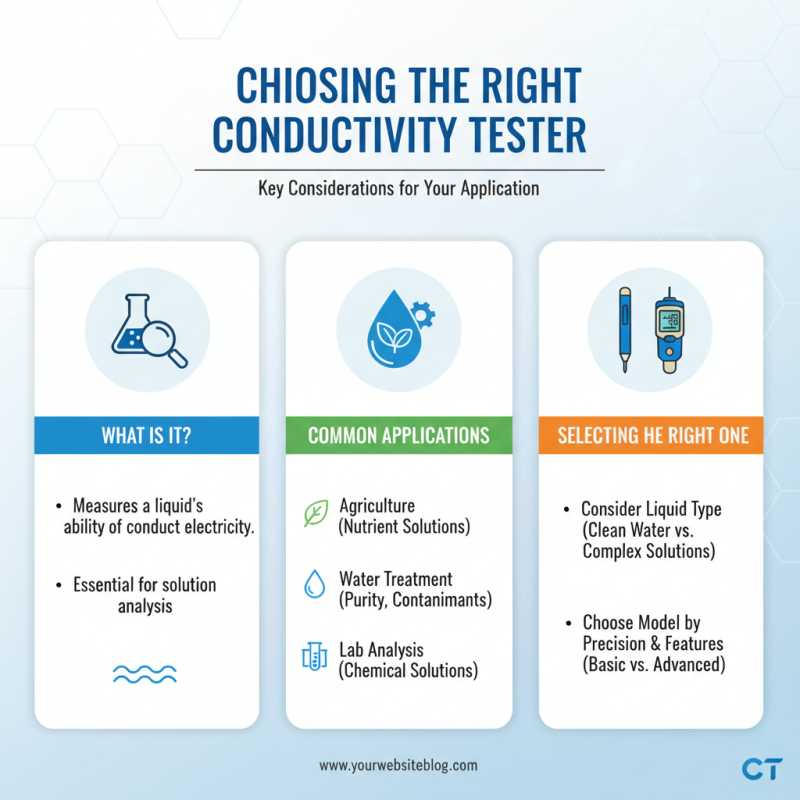
Choosing the right conductivity tester is essential for various applications. Conductivity testers measure a liquid's ability to conduct electricity, making them important in industries like agriculture, water treatment, and lab analysis. Different models suit specific needs, whether you deal with clean water or more complex solutions.
When selecting a conductivity tester, consider accuracy and range. A model with a broad range can be more versatile. For instance, models used in agriculture often require precision for nutrient solutions. Reports indicate that around 70% of users prefer testers with a range of 0 to 2000 µS/cm. However, some applications may require more specialized equipment, leading to frustration.
Tips: Look for features like automatic temperature compensation. This can significantly enhance accuracy. Calibration is another crucial aspect. Regularly calibrating your tester can prevent measurement errors. It's common for users to overlook this, resulting in incorrect readings. A simple check can save significant time and resources. Always read the manual for best practices.
Step-by-Step Guide to Measuring Conductivity
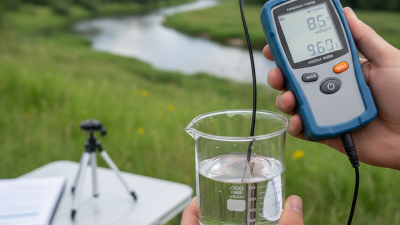
Measuring conductivity is crucial in various fields, including water quality testing and industrial processes. To effectively use a conductivity tester, follow these detailed steps. Begin by calibrating the tester. Many reports suggest that over 30% of users skip calibration, leading to inaccurate results. Calibration ensures that the device measures accurately against known standards.
After calibration, it’s time to sample the water or solution. Dip the tester into the sample but avoid touching the sides of the container. This action minimizes interference from the container material. Maintaining a consistent temperature is also vital, as conductivity can vary with temperature changes. Industry studies reveal that the conductivity can increase by about 2% for every degree Celsius rise in temperature.
Once you place the tester in the sample, wait briefly for the reading to stabilize. Many users make the mistake of taking immediate readings. This can yield discrepancies in results. Analyze the readings according to your specific needs. If the conductivity is too high or too low, reflect on possible causes like contaminants or dilution errors. Such reflections often lead to more accurate and reliable results.
Conductivity Measurement Results
This bar chart illustrates the measured conductivity levels of different solutions at various temperatures. Understanding how conductivity changes with temperature is essential for effective testing and analysis.
Interpreting Conductivity Readings and Their Implications
When using a conductivity tester, interpreting the readings is crucial. Conductivity levels indicate the concentration of dissolved ions in water. For instance, a reading of 400 µS/cm suggests moderate ionic content. However, high readings can signal contamination, while low values might indicate purity.
Understanding the implications of these readings helps inform decisions. In aquariums, for example, low conductivity could mean insufficient minerals for fish health. A reading of 700 µS/cm might be ideal for certain plants but toxic for others. Be careful not to misinterpret these values, as context matters.
Interpreting your results requires attention to details. A single high reading might not reflect overall water quality. Test multiple samples for accuracy. How do you feel about these fluctuations? Are you fully prepared for unexpected outcomes? The implications of your readings can provoke deeper questions about your water systems and the environment.
2026 How to Use a Conductivity Tester Effectively? - Interpreting Conductivity Readings and Their Implications
| Parameter |
Measurement (µS/cm) |
Interpretation |
Implications |
| Freshwater |
0 - 500 |
Low conductivity |
Good quality water for aquatic life |
| Brackish Water |
500 - 15,000 |
Moderate conductivity |
Supports diverse ecosystem |
| Saltwater |
15,000 - 70,000 |
High conductivity |
Requires monitoring to protect sensitive species |
| Drinking Water |
0 - 300 |
Ideal range |
Safe for consumption |
| Wastewater |
> 1,000 |
Potentially hazardous |
Treatment required before discharge |
Maintaining and Calibrating Your Conductivity Tester
Maintaining your conductivity tester is essential for accurate readings. Regularly checking its calibration ensures reliable results. You can do this by comparing the readings with a standard solution. If the numbers don’t match, recalibrate the device. It’s a good practice to perform this check monthly.
Tips: Always store your tester in a safe, dry place. Avoid extreme temperatures that can damage the device. Make sure to clean the sensor after each use, using distilled water, to prevent contamination.
Calibration issues may arise from old or dirty probes. Inspect the probes regularly for any signs of wear. If they look dirty, soak them in a suitable cleaning solution. Dry carefully before reusing. Small changes in your testing environment can affect readings. Always be mindful of these factors.