Why Choose an Ultrasonic Cleaning System for Your Business?
In today's fast-paced business environment, cleanliness and efficiency play crucial roles. An Ultrasonic Cleaning System offers a cutting-edge solution for companies looking to enhance their cleaning processes. Dr. Emily Carter, a leading expert in industrial cleaning technology, states, "Ultrasonic cleaning not only saves time but also ensures a level of cleanliness that manual methods cannot achieve." This statement reflects the growing recognition of ultrasonic systems' benefits in various industries.
Choosing the right cleaning method can be daunting. The Ultrasonic Cleaning System stands out due to its remarkable ability to remove contaminants from intricate surfaces. Traditional cleaning methods often leave residues behind. In contrast, ultrasonic cleaning penetrates even the smallest crevices. Businesses aiming for efficiency can greatly benefit from this technology.
Despite its advantages, some might be hesitant to adopt this system. Concerns about the initial investment and training may arise. Yet, the long-term gains, such as improved product quality and reduced labor costs, can outweigh these initial challenges. Embracing an Ultrasonic Cleaning System may require adjustment, but the results often validate the decision.

Benefits of Ultrasonic Cleaning Systems for Various Industries
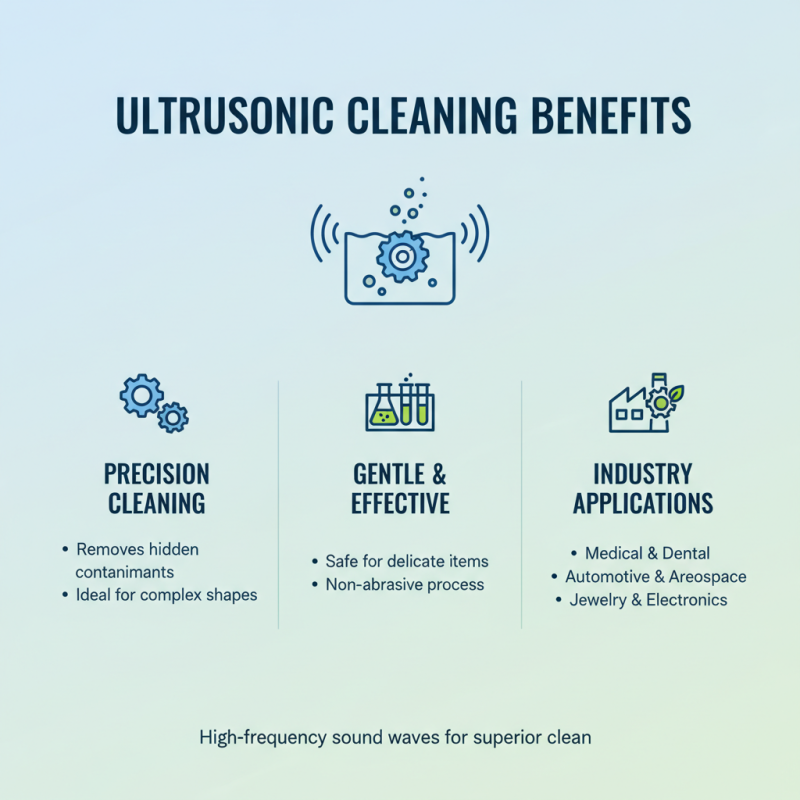
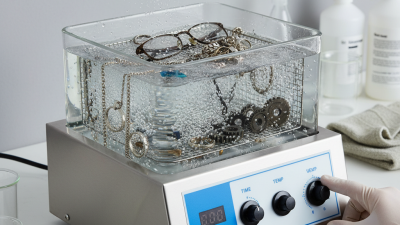
Ultrasonic cleaning systems are becoming essential across multiple industries. These machines use high-frequency sound waves to agitate a cleaning solution. This agitation creates tiny bubbles that effectively remove contaminants. As a result, they can clean complex shapes and delicate items that traditional cleaning methods often struggle with.
In the medical field, ultrasonic cleaners ensure surgical instruments are free from blood and biofilm. This is crucial for patient safety. In the automotive industry, they clean engine parts and fuel injectors. The precision of ultrasonic cleaning removes hidden grime without damaging the components. Electronics manufacturers benefit as well. These systems help clean intricate circuit boards without risking water damage.
However, using these systems is not without challenges. Cleaning solutions need to be carefully chosen. Some materials may react negatively. The cleaning duration must also be monitored. Over-cleaning can wear down sensitive items. Implementing ultrasonic cleaning requires training. Staff must understand the machines for effective use. Each industry must evaluate its specific needs and adapt accordingly.
How Ultrasonic Cleaning Works: The Science Behind Effective Cleaning
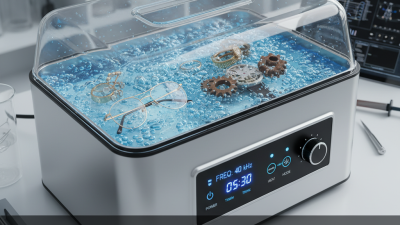
Ultrasonic cleaning technologies revolutionize the cleaning process across various industries. So how does this method actually work? Ultrasonic cleaning utilizes high-frequency sound waves, typically between 20 kHz to 40 kHz, to create millions of microscopic bubbles in a cleaning solution. This phenomenon, known as cavitation, leads to powerful cleaning actions as bubbles implode, releasing energy that dislodges contaminants from surfaces.
Research indicates that ultrasonic cleaners can remove 99.9% of bacteria and other contaminants from surfaces, a statistic highlighted by the Journal of Cleaner Production. This efficiency is particularly beneficial in industries like automotive and medical equipment manufacturing, where cleanliness is crucial. Notably, studies show that traditional cleaning methods often fall short in achieving the same level of cleanliness. Despite these advancements, it’s essential to reflect on the limitations. Not all materials can withstand ultrasonic waves. Sensitive items may risk damage if not handled properly. Balancing efficacy with material safety is a crucial consideration for businesses.
The cleaning solution plays a vital role, too. Different solutions target specific types of contaminants. For example, oils, greases, and particulate matter require tailored cleaning agents for optimal results. Understanding your specific cleaning needs ensures that ultrasonic systems carry out their cleaning tasks effectively, reflecting both science and expertise in practice.
Key Features to Consider When Selecting an Ultrasonic Cleaner
When selecting an ultrasonic cleaning system, several key features must be taken into account. The frequency of the ultrasonic waves is crucial for cleaning efficiency. Systems typically operate between 20 kHz and 40 kHz. A lower frequency can be more aggressive and effective for heavy contaminants. Conversely, higher frequencies ensure gentler cleaning, suitable for delicate items. Research shows that using the right frequency can enhance cleaning performance by up to 30%.
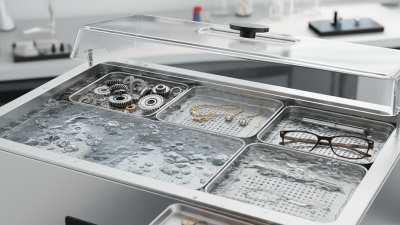
Another vital aspect is the cleaning tank size. A larger tank allows for cleaning multiple items simultaneously. However, it also requires more space and could increase operational costs. A study by the Cleaning Industry Research Institute indicates that nearly 70% of businesses prefer larger tanks for versatility. Additionally, consider the temperature control feature. Heating the cleaning solution can boost the cleaning process by activating the cavitation effect, improving cleaning efficacy by as much as 50%.
Reflect on the importance of these features in your specific business context. While selecting the perfect system, it's also essential to evaluate your unique cleaning needs. Some may prioritize speed over thoroughness, while others seek a balance. Don't overlook the significance of software features that can simplify operation and monitor cleaning cycles, enhancing overall reliability. Striking the right balance can lead to better operational efficiency and cleaner results.
Comparative Cost Analysis: Ultrasonic Cleaning vs. Traditional Methods
When evaluating the cost-effectiveness of ultrasonic cleaning systems versus traditional cleaning methods, the data presents a compelling case. According to a recent industry report, ultrasonic cleaners can reduce cleaning time by up to 70%. This efficiency translates to significant labor cost savings. For businesses with high-volume cleaning needs, the investment in ultrasonic technology pays off quickly.
Traditional methods often rely on manual labor and time-consuming processes, leading to higher overhead costs. A study found that labor accounts for nearly 40% of cleaning expenses in manufacturing environments. By switching to ultrasonic cleaning, businesses may also minimize water usage by up to 90%. This reduction not only lowers utility bills but also demonstrates a commitment to environmental sustainability.
**Tips:** Consider assessing the specific cleaning needs of your business. Analyzing the scope and frequency of cleaning can provide insights into potential savings. Evaluate the upfront costs of ultrasonic systems against projected labor savings over time. Transitioning requires careful consideration, as not all materials respond equally to ultrasonic cleaning, prompting a need for trial runs and adjustments.
Real-World Applications: Success Stories of Ultrasonic Cleaning Implementation
Ultrasonic cleaning systems have transformed various industries, offering exceptional cleaning solutions. In the medical field, for instance, these systems are critical for surgical instrument sterilization. A report from the American Journal of Infection Control revealed that ultrasonic cleaning can reduce bioburden by over 95%. This high level of cleanliness is vital in preventing infections and ensuring patient safety.
In the automotive sector, ultrasonic cleaning demonstrates notable efficiency. Components like carburetors and injectors often require thorough cleaning to function optimally. Data from the Society of Automotive Engineers indicates that ultrasonic cleaning can shorten cleaning time by nearly 50%, enhancing overall productivity. However, some businesses face challenges when integrating these systems. Initial costs can be a hurdle, and lack of trained personnel may hinder effective implementation.
Moreover, the jewelry industry benefits significantly from ultrasonic cleaning. It restores shine to pieces, making them more appealing to customers. However, not all materials respond well to ultrasonic methods. For instance, certain gemstones can suffer damage, indicating the importance of understanding material compatibility. A thoughtful approach to ultrasonic cleaning can yield remarkable results, but there’s always a learning curve.