Top 5 Tips for Choosing the Best Autoclave for Cassettes?
Choosing the right autoclave for cassettes is crucial for any dental or surgical practice. An effective autoclave ensures that instruments are properly sterilized, reducing the risk of infection. With various options available, it can be overwhelming to find the best fit.
Many practices struggle with selecting an autoclave that meets their specific needs. The key is to understand both the features required and the limitations of each model. This involves considering factors such as size, capacity, and efficiency. A reliable autoclave for cassettes should not only fit your workflow but also provide consistent performance over time.
Investing in a quality autoclave ensures compliance with health standards. However, it's essential to evaluate your practice's unique demands. Look for user reviews and expert recommendations to inform your decision. Remember, finding the perfect autoclave for cassettes requires careful thought and research.
Understanding the Importance of Autoclaves in Sterilization Processes
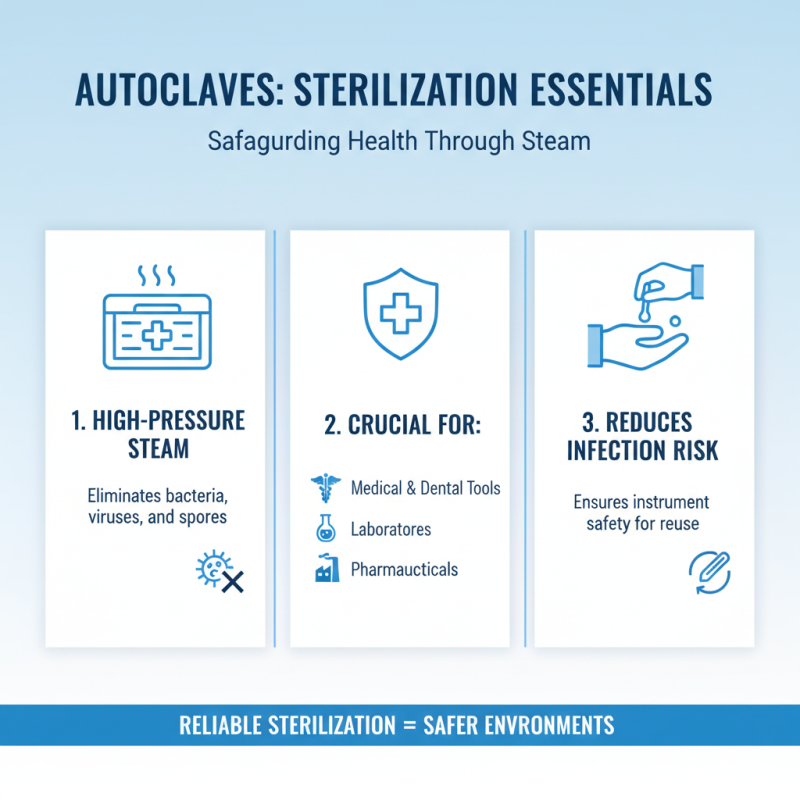
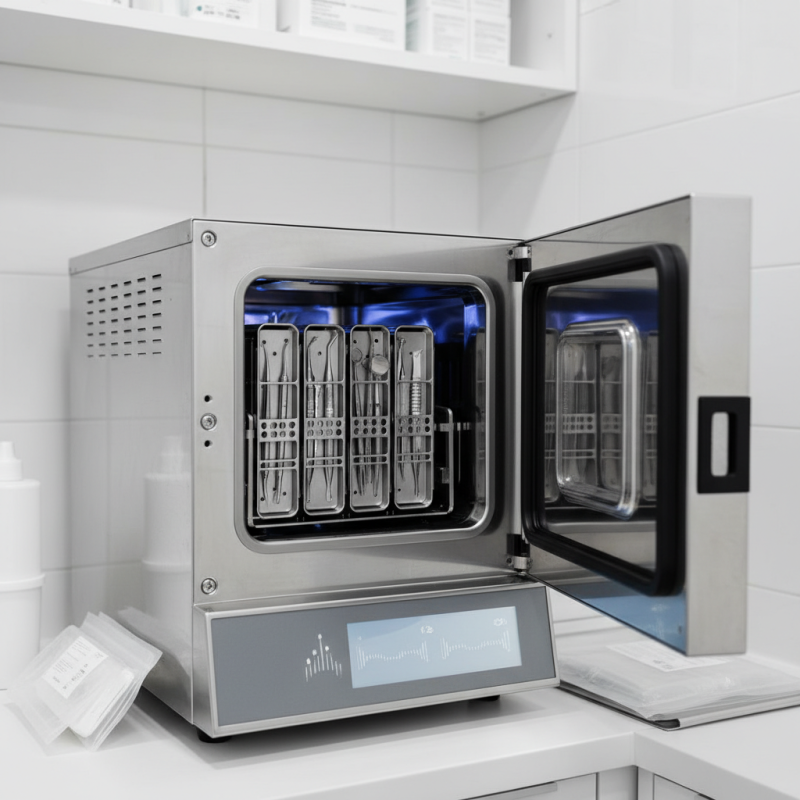
Autoclaves play a crucial role in sterilization, particularly for medical and dental tools stored in cassettes. They use high-pressure steam to eliminate microorganisms, ensuring instruments are safe for the next use. Understanding their functioning is key in various fields, from hospitals to laboratories. A reliable autoclave can drastically reduce infection risks.
Selecting the right autoclave requires understanding your specific needs. Not all autoclaves are created equal. Consider how frequently you sterilize instruments and the types of materials involved. For instance, some materials may require lower temperatures. This requires careful consideration. Autoclaves must maintain consistent temperatures to avoid incomplete sterilization, which can lead to serious consequences.
Maintaining an autoclave is equally important. Regular maintenance ensures reliability and efficiency. However, maintenance costs can add up over time. Users may overlook minor issues, which could lead to significant failures. It's essential to reflect on these factors when choosing an autoclave. Proper knowledge and foresight can prevent future mishaps and enhance patient safety.
Key Factors to Consider When Selecting Autoclaves for Cassettes
When selecting an autoclave for cassettes, understanding key factors is crucial. Sterilization cycles vary significantly among different models. A comprehensive report from the Association for the Advancement of Medical Instrumentation (AAMI) indicates that effective sterilization often hinges on temperature and pressure parameters. Look for autoclaves that achieve at least 121°C and 15 PSI for optimal results.
Capacity is another essential consideration. Autoclaves range widely, from small tabletop models to larger free-standing units. According to the Food and Drug Administration (FDA), ensuring adequate chamber space allows for effective steam penetration. If the unit cannot accommodate your cassettes, it can lead to inadequate sterilization, posing risks.
Maintenance and ease of use are also vital in your decision-making process. Some models require routine calibration and servicing, which can become cumbersome. Consistent use of inefficient autoclaves may increase the risk of cross-contamination. Therefore, selecting an autoclave with user-friendly features and reliable maintenance supports safe practices in clinical settings.
Evaluating Autoclave Capacity: How Volume Affects Efficiency
When selecting an autoclave for cassettes, evaluating its capacity is crucial. The volume dictates how many cassettes you can process at once. Larger capacity models may seem appealing, but they can lead to inefficiencies if not used correctly. For instance, if you regularly process small batches, a huge autoclave might result in longer cycle times due to the excess space.
Understanding the efficiency related to capacity can save both time and energy. An autoclave that’s too large may trap air pockets, leading to incomplete sterilization. Conversely, a machine that’s too small can force you to run multiple cycles, which is time-consuming.
Consider your workflow carefully. Analyze your typical load sizes. An optimal choice balances between accommodating your daily needs and maintaining effective sterilization. Reflect on your actual usage to avoid common pitfalls, like overloading or underutilizing your equipment. A well-chosen autoclave enhances productivity and ensures safety.
Heat Distribution and Cycle Times: Ensuring Effective Sterilization
When selecting an autoclave for cassettes, focusing on heat distribution and cycle times is crucial. Effective sterilization relies on consistent heat penetration. Uneven heat can lead to ineffective sterilization. A high-quality autoclave should uniformly distribute steam. This ensures all surfaces of the cassettes reach the required temperature for the right duration.
Cycle times are another significant factor. Shorter cycles might seem appealing, but they can compromise sterilization efficacy. It’s essential that the autoclave has a balance between speed and thoroughness. A good rule of thumb is to verify the autoclave's validation methods. Checking for reports or studies can help assess performance standards.
Many users overlook these factors and later face issues. Miscommunication about what constitutes proper sterilization often occurs. It's worth reflecting on the different materials used in cassettes. Some may require longer exposure times to ensure microorganisms are eliminated. Before making a decision, consider these nuances to avoid potential pitfalls in sterilization practices.
Safety Standards and Certifications for Autoclaves in Dental Practices
When selecting an autoclave for dental cassettes, safety standards and certifications are crucial. Dentists need to ensure that their equipment meets rigorous guidelines. According to the CDC, sterilization processes must be validated to eliminate pathogens effectively. In a dental setting, this means using autoclaves that adhere to the ANSI/AAMI ST55 standards, which specify requirements for sterilization efficacy.
The FDA also mandates that all sterilization devices are thoroughly tested. Autoclaves should bear the appropriate certifications, indicating they comply with safety regulations. Many dental professionals overlook regular validation and monitoring of their equipment. This can lead to potential risks, including equipment failure or contamination. Regular maintenance is essential to comply with safety standards.
Moreover, understanding the specifications of these devices can prove challenging. Not all autoclaves perform equally under pressure and heat. According to a 2020 survey, 30% of dental practices admitted to using outdated sterilization practices. Continuous education on emerging technologies can enhance safety protocols. Dentists must remain vigilant in assessing their devices, ensuring they meet evolving safety standards.