Top 10 Electrical Conductivity Meters You Should Consider?
In recent years, the importance of reliable measurements in various industries has grown significantly. Electrical conductivity meters play a crucial role in this process. They offer insights into the ionic content of liquids, helping professionals make informed decisions. Dr. Emily Carter, an expert in environmental science, once stated, "Choosing the right electrical conductivity meter can dramatically affect the outcome of your analysis."
With numerous options available, selecting the perfect meter can feel overwhelming. Each model has unique features and applications. Some may excel in laboratory settings, while others are tailored for field use. It’s essential to consider these factors before investing. Moreover, not all meters provide accurate readings under all conditions. Calibration and maintenance should never be overlooked.
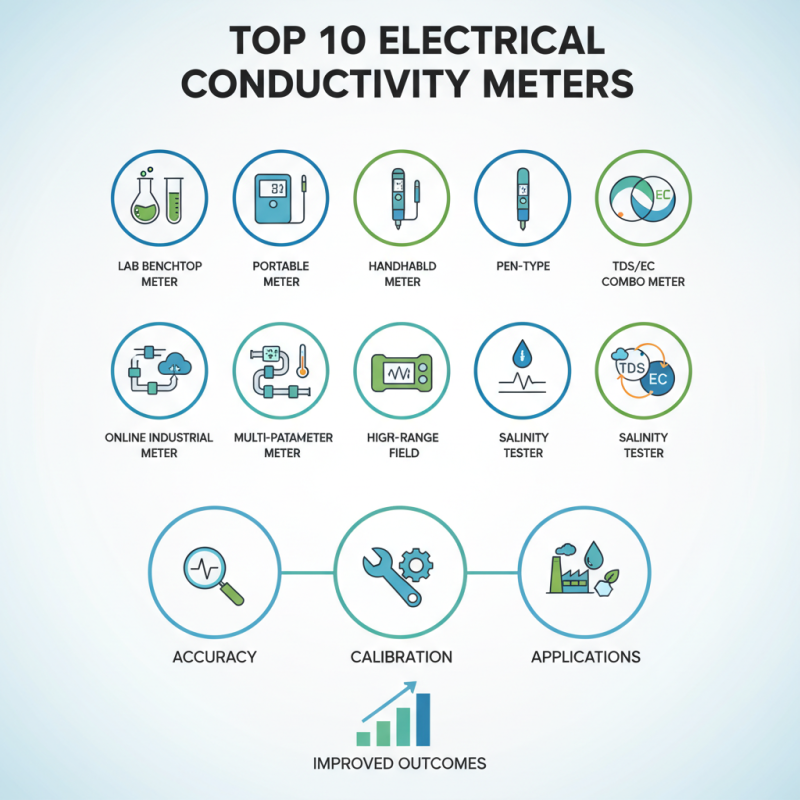
Understanding the capabilities and limitations of different electrical conductivity meters is vital. Equipment can vary in quality and price. Choosing poorly may lead to costly mistakes. A thorough assessment of your specific needs will ensure better results. This guide will explore ten top meters worth considering, aiming to simplify your selection process.
Understanding Electrical Conductivity and Its Applications
Electrical conductivity (EC) is a crucial measurement in various fields, from agriculture to environmental science. It indicates how well a material can conduct electricity. This property relies largely on the concentration of ions in a solution. According to recent industry reports, a higher EC value typically signifies a greater concentration of dissolved salts and nutrients. In agricultural settings, EC helps determine soil quality and irrigation needs.
Monitoring EC levels can guide farmers on when to water crops. It ensures optimal plant growth, as improper EC levels can lead to nutrient deficiencies or toxicities. Studies show that plants thrive best within specific EC ranges. For example, hydroponic systems often aim for EC values between 1.5 to 2.5 mS/cm.
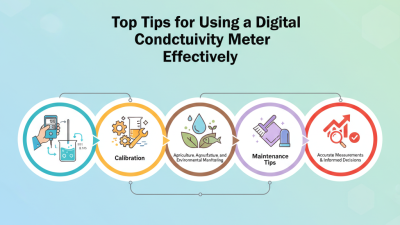
Tip: Regularly calibrate your EC meter to maintain accuracy. Even slight inaccuracies can lead to poor cultivation decisions.
In environmental monitoring, EC levels can indicate pollution. High conductivity in water bodies often signals the presence of contaminants. Understanding these readings can help manage water resources effectively. However, varying factors, like temperature, can impact measurements, showing the need for careful analysis.
Tip: Always consider temperature effects when interpreting EC readings. Changes can lead to misleading results.
Criteria for Selecting the Best Electrical Conductivity Meters
When selecting the best electrical conductivity meter, it is crucial to consider several factors. Accuracy is essential. The ideal meter should provide precise readings within ±1% of the actual conductivity levels. According to a study by industry experts, meters with higher accuracy are increasingly favored in laboratory environments. Users often desire reliability in their measurements, especially in critical applications like water quality testing.
Calibration frequency also matters. Meters that require regular calibration can become inconvenient in fast-paced settings. Some reports suggest that models needing calibration every month can hinder workflow. Furthermore, consider the temperature coefficient. A temperature coefficient of approximately ±0.2%/°C can significantly affect readings. Meters with automatic temperature compensation are typically more versatile. This feature enhances usability across various conditions.
Battery life is another point to reflect on. Meters that last several hundred hours without requiring recharging are preferred. In contrast, models with poor battery efficiency can disrupt ongoing tests. Users often overlook this, which leads to unexpected downtime. Lastly, the design and portability of a meter can impact user experience. Compact models are easier to handle and transport, making them favorable for fieldwork. Remember to take these elements into account for a successful purchase.
Top 10 Electrical Conductivity Meters for Various Needs
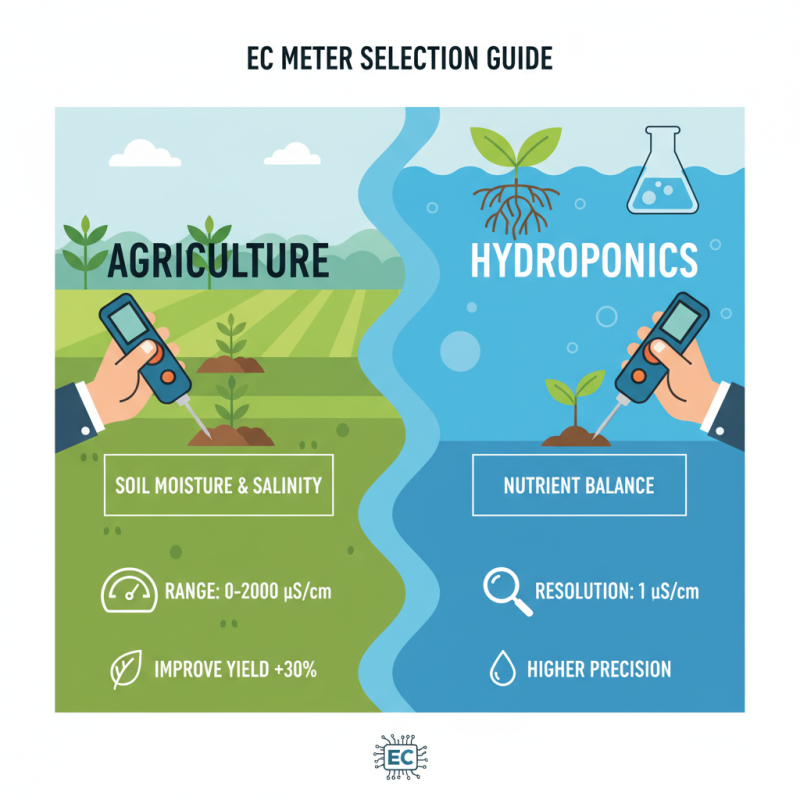
When selecting an electrical conductivity meter, consider your specific needs. For agricultural applications, meters with a range of 0-2000 µS/cm are ideal. They provide insights into soil moisture and salinity. Reports indicate that optimal soil conductivity levels for crops can improve yield by up to 30%. Meanwhile, for hydroponics, higher precision is required. Meters with resolution of 1 µS/cm help maintain nutrient balance better.
Laboratory environments also demand attention to detail. Meters with temperature compensation are crucial. This feature ensures accuracy in varying conditions. A recent study highlighted that temperature variations can cause conductivity readings to vary by up to 25%. Digital meters often boast easier readouts, which can reduce human error, a common pitfall in manual readings.
For home use, affordability and ease of use take precedence. Simple models suffice for basic water quality checks. Yet, the simplicity can lead to oversimplified results. Users may overlook the intricate nuances of water chemistry. Understanding the limitations of basic models is important for reliable data interpretation. Each application necessitates a tailored approach to avoid misjudgments.
Features and Specifications to Look for in Conductivity Meters
When choosing a conductivity meter, a few key features are vital. Look for a device with a wide measuring range. Many meters measure from 0 to 200,000 µS/cm. This range allows versatility for various applications, from aquariums to environmental monitoring. A robust sensor design is also crucial. The best sensors can withstand harsh conditions and deliver accurate readings over time.
Calibration is another critical aspect. Meters that offer automatic temperature compensation help in achieving precise results across different temperatures. A quality display is important too. Clear readings in any lighting condition enhance usability. Additionally, consider the meter's power source. Some models use batteries, while others can be plugged in for continuous operation. Rechargeable options can reduce long-term costs.
Data logging functions can greatly benefit research needs. Storing data allows for trend analysis and better decision-making. However, too many features may complicate the device. Choose models that balance functionality with ease of use. According to industry data, a well-designed conductivity meter should integrate seamlessly into your workflow. Always reflect on the real-world applicability of these features.
Top 10 Electrical Conductivity Meters You Should Consider
| Model |
Measurement Range |
Accuracy |
Features |
Display Type |
Battery Life |
| Model A |
0 - 2000 µS/cm |
±1% |
Automatic temperature compensation, Data logging |
LCD |
300 hours |
| Model B |
0 - 5000 µS/cm |
±0.5% |
Backlit display, Waterproof |
LED |
200 hours |
| Model C |
0 - 10000 µS/cm |
±2% |
Bluetooth connectivity, Graphing capability |
Touchscreen |
150 hours |
| Model D |
0.1 - 2000 µS/cm |
±0.8% |
Auto shut-off, Compact design |
LCD |
250 hours |
| Model E |
0 - 5000 µS/cm |
±1.5% |
USB data transfer, Low battery indicator |
LED |
180 hours |
| Model F |
0.01 - 1000 µS/cm |
±0.5% |
Multiple language support, Easy calibration |
Touchscreen |
200 hours |
| Model G |
0 - 20000 µS/cm |
±3% |
Data storage, Large display |
LCD |
150 hours |
| Model H |
0 - 500 µS/cm |
±0.1% |
Portable, Fast response |
LED |
250 hours |
| Model I |
0 - 10000 µS/cm |
±2% |
User-friendly interface, Rechargeable battery |
LCD |
200 hours |
| Model J |
0 - 1500 µS/cm |
±0.5% |
Multifunctional, Long probe |
Touchscreen |
300 hours |
Maintenance Tips for Prolonging the Life of Your Conductivity Meter
Maintaining your conductivity meter is crucial for accurate readings and long-term performance. Regular cleaning is essential. Sensors can accumulate residues that affect measurements. A simple rinse with distilled water can help, but ensure sensors are handled gently. Some professionals recommend using a soft brush for stubborn deposits.
Calibration is also key. It is advisable to check calibration at least once a month, especially if used frequently. A study by the International Society of Automation indicated that improper calibration can lead to measurement errors exceeding 5%. Regular calibration helps ensure data reliability and prevents costly mistakes in laboratory or agricultural settings.
Temperature fluctuations can impact performance. Ideally, store your meter in a controlled environment, avoiding extremes. A report from the Institute of Electrical and Electronics Engineers stresses that conductivity meters can drift over time if left in unsuitable conditions. Taking these steps can extend your device's lifespan significantly.
Top 10 Electrical Conductivity Meters
This bar chart illustrates the electrical conductivity measurements of the top 10 conductivity meters. The values represent the conductivity level in microsiemens per centimeter (µS/cm), demonstrating the range and performance of different meters in the market.