Ultimate Guide to Electrical Conductivity Meter Tips for Beginners?
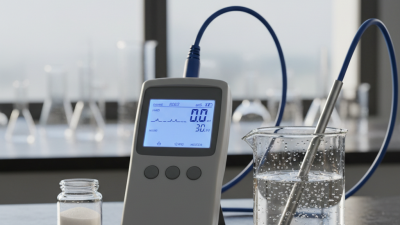
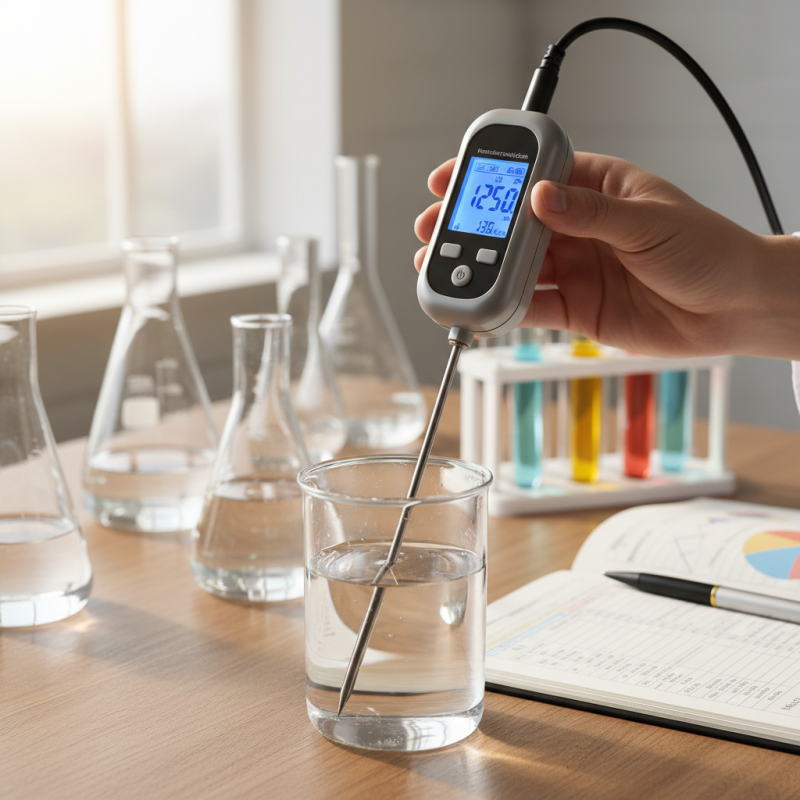
Understanding the fundamentals of an Electrical Conductivity Meter is crucial for beginners. This device measures the ability of water to conduct electrical current. It is important in various fields, such as agriculture, aquaculture, and environmental monitoring.
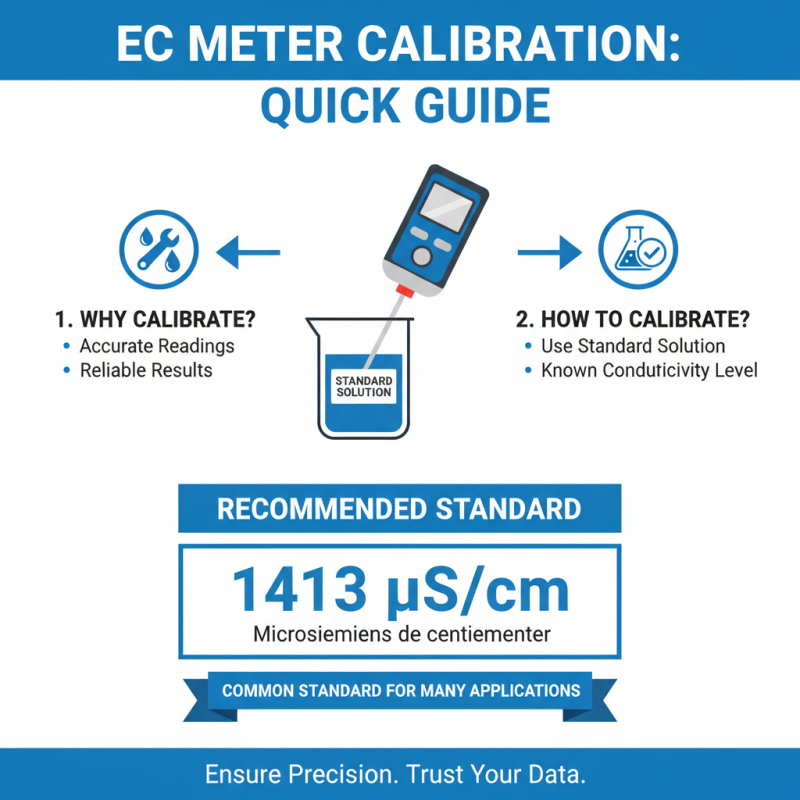
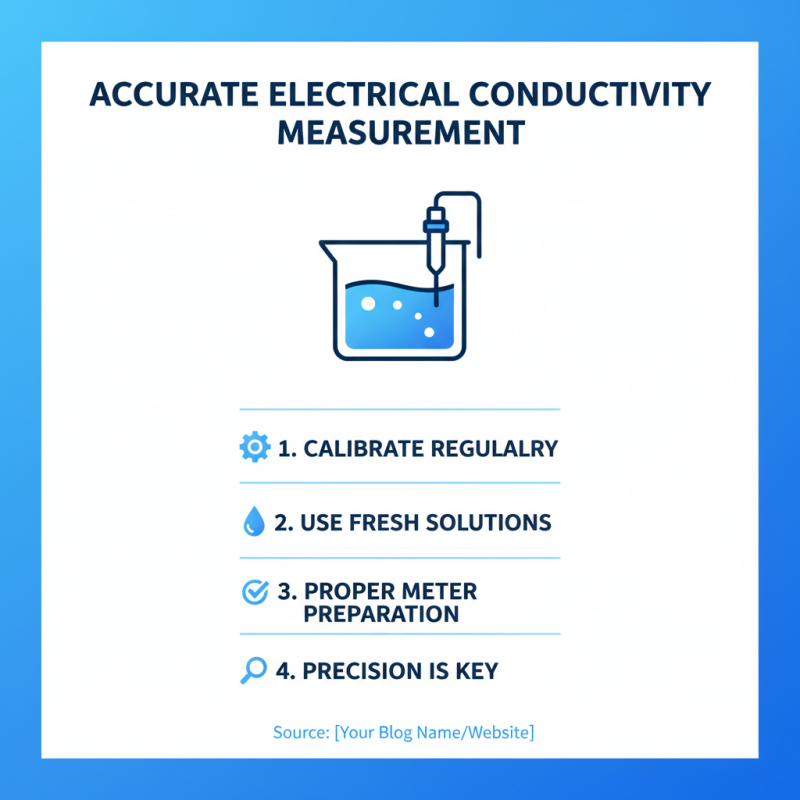
For those new to this topic, practical tips can make a difference. Knowing how to calibrate the meter properly is essential. Regular maintenance ensures accurate readings and prolongs the device's life. Beginners often overlook these aspects, leading to inconsistent results. Users might first think measurements are simple, but they can be misleading if tools are not cared for.
Exploring different types of meters can also enhance understanding. Some models offer advanced features while others are basic. It’s essential to choose the right one based on specific needs. When faced with complex data, reflecting on results becomes vital. A reliable Electrical Conductivity Meter can empower better decisions in your projects.
Understanding Electrical Conductivity: Key Concepts for Beginners
Understanding electrical conductivity is essential for anyone diving into this field. It refers to how well a material can conduct electricity.
High conductivity means easy electron flow, while low conductivity shows resistance. Solvents, salts, and ions all play vital roles in this process. The more ions in a solution, the higher the conductivity.
Beginners often overlook the impact of temperature on measurements. Conductivity can change significantly with temperature shifts. It may lead to misleading results if un-calibrated. Many also forget to clean probes before use. Dirty probes can distort readings. Regular maintenance of your equipment is equally crucial.
When measuring, note your surroundings. Ambient conditions can influence results. Every small detail matters. Don’t rush through the process. Take time to understand your equipment and environment. Reflect on your recording methods. Are you consistent? Are your notes clear? Recognizing these areas for improvement leads to better accuracy and reliability in your readings.
Types of Electrical Conductivity Meters: Which One to Choose?
When selecting an electrical conductivity meter, understanding the types available is crucial. There are primarily two categories: portable and benchtop meters.
Portable meters are ideal for fieldwork. They are lightweight and easy to handle. In contrast, benchtop meters provide higher accuracy and are better suited for laboratory settings.
According to industry reports, portable meters are commonly used in agricultural applications, where quick readings are necessary. They typically have a range of 0 to 200 mS/cm, catering to different soil types.
Another aspect to consider is the resolution and temperature compensation of the meters. High-end models can offer a resolution as low as 0.001 mS/cm. This can be vital for specific applications, such as hydroponics, where minor variations can impact crop yields.
However, less expensive options often lack advanced temperature compensation. Therefore, users may face inaccuracies if the temperature fluctuates. This is a common oversight among beginners.
Price can also be a deciding factor. A basic model may cost around $50, while an advanced benchtop meter might exceed $500.
Beginners often underestimate the long-term savings that come from investing in quality equipment. Thus, finding the right balance between cost and functionality is essential. Many novice users end up purchasing a meter that does not meet their needs, leading to unnecessary expenses.
Comprehensive research and careful consideration of requirements are recommended to avoid such pitfalls.
Common Mistakes to Avoid When Using an Electrical Conductivity Meter
When using an electrical conductivity meter, beginners often make common mistakes that can lead to inaccurate readings. One frequent error is not calibrating the meter properly. Calibration should occur at least once a month, or before critical measurements. Neglecting this step can result in data that is off by as much as 15%, which skews analysis and decision-making.
Another mistake is failing to clean the probe. Residue on the probe can affect conductivity measurements. A study indicated that dirty probes can cause variations up to 25% in readings. Always rinse the probe with distilled water after use. This simple habit promotes accuracy and reliability in your results. Regular maintenance can save time and resources in the long run.
Additionally, many users forget to consider temperature’s effect on conductivity. Conductivity changes with temperature; for instance, readings can fluctuate by about 2% for each degree Celsius. Using a thermometer alongside the meter can help account for this variable. Understanding these factors is crucial for obtaining precise measurements. Mistakes happen, and reflection on these points can turn errors into learning opportunities.
Ultimate Guide to Electrical Conductivity Meter Tips for Beginners - Common Mistakes to Avoid
| Mistake |
Description |
Tip to Avoid |
| Neglecting Calibration |
Failing to calibrate the meter can lead to inaccurate readings. |
Calibrate your meter regularly with standard solutions. |
| Using Dirty Probes |
Contaminated probes can affect conductivity measurements. |
Always clean probes before and after each use. |
| Ignoring Temperature Effects |
Temperature can significantly affect conductivity readings. |
Account for temperature and use a meter with temperature compensation. |
| Not Following Manufacturer Guidelines |
Each meter has specific instructions for optimal use. |
Read and adhere to the manufacturer’s manual. |
| Misinterpreting Results |
Not understanding the significance of conductivity values. |
Research the context of conductivity levels specific to your application. |