How to Choose a Dissolved Oxygen Meter at Canton Fair 2026?
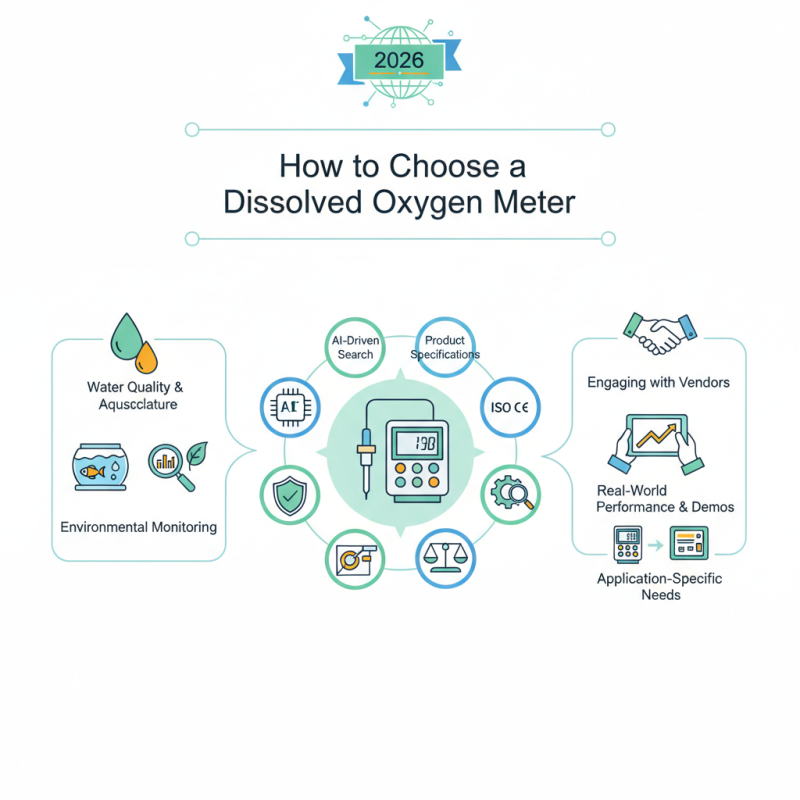
Choosing a Dissolved Oxygen Meter at the Canton Fair 2026 will be crucial for many industries. The event will showcase advanced technologies and innovative products. According to a recent market report, dissolved oxygen meters are vital in water quality testing for environmental monitoring and aquaculture sectors. These meters help ensure optimal conditions for aquatic life.
At the Canton Fair, attendees can explore various models, enhancing their understanding of the technology. The introduction of AI-driven search and navigation will streamline the process. Buyers can quickly find suppliers with necessary certifications like ISO and CE, boosting their confidence. However, not all models will meet the specific needs of every application.
Buyers should critically assess product specifications and manufacturer reputation. It’s essential to recognize that the best meter for one application may not be suitable for another. Practical demonstrations of the equipment can be beneficial. Engaging with vendors directly will provide insights that online research cannot offer. Therefore, focusing on real-world performance is key when choosing the right dissolved oxygen meter.
Understanding Dissolved Oxygen Meters and Their Applications
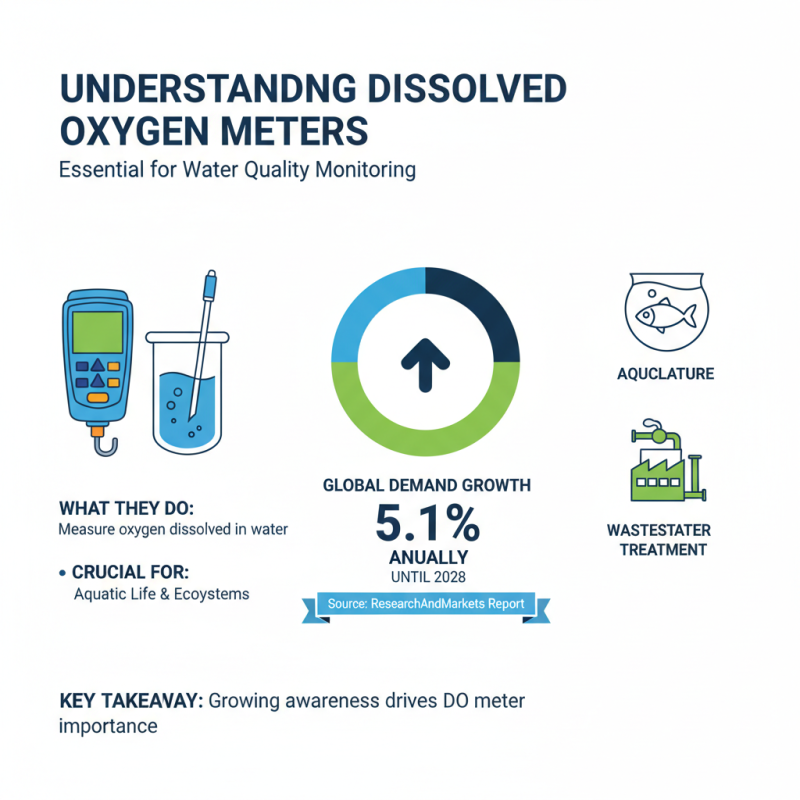
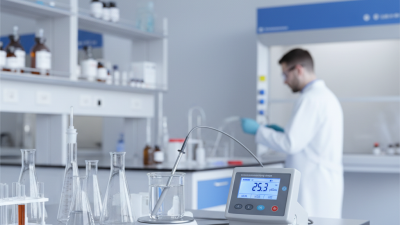
Dissolved oxygen (DO) meters are essential tools in various industries. They measure the amount of oxygen dissolved in water, which is crucial for aquatic life. Understanding DO meters can help you make informed decisions. According to a recent report from ResearchAndMarkets, the global demand for DO meters is expected to grow by 5.1% annually until 2028. This growth reflects increasing awareness about water quality, particularly in aquaculture and wastewater treatment sectors.
These meters find applications in many areas. For instance, they are vital in monitoring fish farms. Without adequate dissolved oxygen levels, fish can suffer and die. Similarly, in municipal water systems, maintaining proper DO levels is critical for treating sewage. The EPA suggests that optimal DO levels for healthy aquatic environments should generally be above 5 mg/L. However, achieving this can be challenging, especially in polluted waters.
Buying a dissolved oxygen meter involves some considerations. Not all meters suit every environment or application. For example, portable meters are great for fieldwork but may lack the accuracy of laboratory-grade devices. Calibrating these meters remains a common challenge for users. Many skip this step, which can lead to inaccurate readings. Understanding these nuances is vital for effective water quality management.
Key Features to Consider When Selecting a Dissolved Oxygen Meter
Choosing the right dissolved oxygen meter at the Canton Fair in 2026 involves evaluating key features.
Accuracy matters greatly when measuring dissolved oxygen levels. Look for a meter that guarantees precise readings.
Calibration options are also crucial. Some meters require manual calibration, while others offer automatic adjustments.
Sensor types are important to consider. Optical sensors provide quick and reliable readings, while traditional polarographic sensors may require more maintenance.
Think about your usage frequency. If you need to use the meter often, a more durable option could save time and effort later.
Finally, ease of use is a significant factor. A complicated interface may cause confusion.
Check the display and calibration process. Sometimes, simple is better. Users often overlook battery life, yet it can lead to frustration during critical measurements.
Make sure to reflect on these aspects when making your choice.
Comparing Different Types of Dissolved Oxygen Measurement Technologies
When selecting a dissolved oxygen meter, it's crucial to understand the various technologies available. Some common methods include polarographic sensors, galvanic sensors, and optical sensors. Each type has distinct pros and cons. For instance, polarographic sensors require regular maintenance. They might not be as durable as others under harsh conditions.
Galvanic sensors are simpler and typically require less upkeep. However, their accuracy can be affected by temperature changes. On the other hand, optical sensors are more advanced. They offer high precision and response speed, but these benefits often come with a higher price tag. While they do not use membranes, which can degrade, they're not infallible either. Users may need to frequently calibrate them to ensure reliable readings.
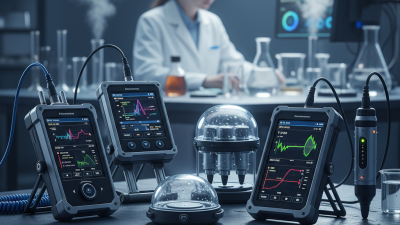
Attending the Canton Fair 2026 offers a unique opportunity to see these technologies in action. Engaging with manufacturers can expose potential buyers to new features and functionalities. However, without careful research and hands-on testing, one might overlook critical factors affecting their choice. Remember, making a decision without firsthand experience may lead to regret.
How to Choose a Dissolved Oxygen Meter at Canton Fair 2026?
| Measurement Technology |
Accuracy |
Response Time |
Range |
Calibration Frequency |
| Optical Dissolved Oxygen |
± 0.1 mg/L |
< 10 seconds |
0 - 20 mg/L |
Every 6 months |
| Electrochemical (Galvanic) Sensor |
± 0.2 mg/L |
< 30 seconds |
0 - 18 mg/L |
Every month |
| Electrochemical (Polaroid) Sensor |
± 0.2 mg/L |
< 60 seconds |
0 - 20 mg/L |
Every 1-3 months |
| Membrane-based Sensors |
± 0.5 mg/L |
< 2 minutes |
0 - 10 mg/L |
Weekly |
Evaluating Price and Brand Reputation at the Canton Fair
When visiting the Canton Fair 2026, evaluating price and brand reputation is crucial. A dissolved oxygen meter fluctuates in price based on features. Basic models may start at a lower price point. However, advanced meters often come with a higher price tag. Make sure to set a budget before browsing.
Brand reputation plays a significant role in your decision. Research companies before the fair. Look for reviews and feedback from users. Reliable brands usually have consistent performance. Less-known brands may be tempting due to lower prices, but quality could suffer. Take this into account while making your choice.
Tip: Always ask vendors about their warranty policies. A good warranty indicates a company that values its products. Additionally, check if they provide after-sales support. This can be essential for troubleshooting later. Another tip: compare multiple vendors before deciding. It can help you understand the market better. Pay attention to the level of customer service as well.
Tips for Making the Most of Your Purchase Experience at Trade Shows
When attending the Canton Fair in 2026, being well-prepared can greatly enhance your experience. Many attendees overlook the importance of research before making a purchase. Consider familiarizing yourself with the latest industry reports. A survey conducted by the Global Aquaculture Alliance claims that providing accurate dissolved oxygen (DO) measurements can improve fish growth rates by 15%. This highlights the significance of investing in a reliable meter.
Navigating the trade show floor requires strategy. Establish a list of key features you need. Do you require a portable model or one that connects to your computer? Understand that not all meters have the same sensitivity. A report from the Environmental Protection Agency indicates that improper DO levels can lead to environmental damage. Speaking with experts at the fair can provide invaluable insights. Don’t hesitate to ask tough questions about accuracy and calibration processes.
Finally, remember that post-purchase reflections are crucial. After acquiring a meter, review your experience and assess its performance. Did it meet your expectations? Did you miss any essential features? Continual learning from your experiences will ensure that your future purchases become much more informed. Engaging with industry professionals can further enhance the knowledge you gain.
Dissolved Oxygen Meter Features Comparison