Why Choose an Electrical Conductivity Meter for Your Needs?
In today's diverse industries, an Electrical Conductivity Meter is essential for accurate measurements. With the global conductivity meter market projected to reach $5.5 billion by 2026, understanding how to choose the right meter is critical. This growth, driven by innovations in agriculture, environmental monitoring, and water quality testing, highlights the meter's importance in ensuring operational efficiency.
Choosing an Electrical Conductivity Meter requires knowledge of its specific applications. For example, in agriculture, accurate readings help optimize nutrient management, leading to higher crop yields. The National Institute of Standards and Technology states that precise conductivity measurements can increase agricultural productivity by up to 20%. However, selecting the right device can be challenging due to the variety of models available.
Understanding the limitations of different meters is also vital. Not all meters perform equally under various conditions. Some users report discrepancies in readings, prompting the need for careful evaluation. Opting for a high-quality meter can significantly impact the accuracy of results. Making an informed decision is crucial for professionals relying on these measurements for critical outcomes.
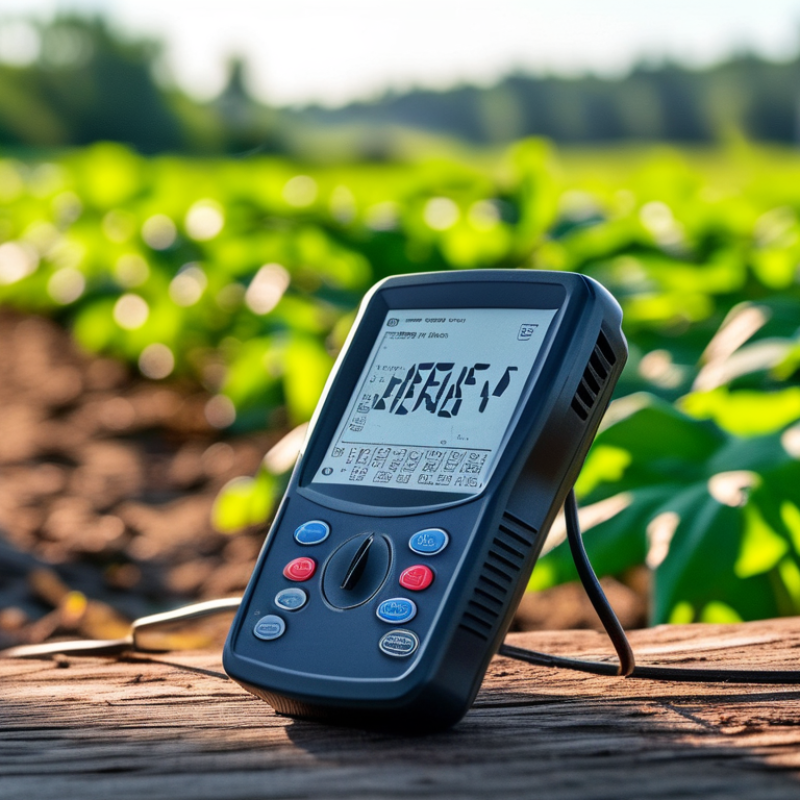
The Importance of Electrical Conductivity in Various Industries
Electrical conductivity is a crucial measurement in various industries. It indicates how well a solution can conduct electricity. This property directly correlates with the concentration of dissolved ions in a liquid. For example, in agriculture, monitoring soil conductivity helps assess nutrient levels. This ensures optimal crop growth and efficient resource use.
Water treatment facilities rely on conductivity measurements to detect contamination. A sudden spike in conductivity can signal pollutants. Quick response to these changes protects both water quality and public health. In manufacturing, electrical conductivity impacts product quality. Conductivity meters assist in maintaining consistent standards in production processes.
Despite their importance, not all users understand how to interpret conductivity readings. Misinterpretations can lead to poor decisions, affecting operations. A thorough understanding of these metrics is necessary for effective applications. It’s vital to consider environmental factors and calibration methods, as they can skew results. Investing time in proper training can enhance the reliability of measurements.
Understanding How Electrical Conductivity Meters Work
Electrical conductivity meters are essential tools in various fields, such as agriculture, environmental monitoring, and laboratory research. Understanding how these meters work provides insights into their benefits. They measure the ability of a solution to conduct electricity, which directly correlates to the concentration of ions in the solution. The measurement is often expressed in microsiemens per centimeter (µS/cm). A 2022 report indicated a growing demand for these meters, particularly in the water quality testing market, which is expected to reach $4 billion by 2026.
When using an electrical conductivity meter, calibration is key. Regularly calibrating your device ensures accurate readings. It's advisable to use calibration solutions that closely match the expected conductivity of your samples. Miscalibrated meters can lead to significant errors in data, impacting decision-making processes. Aim for calibration checks at least once a month.
Tip: Always clean the probe after use. Contaminants can alter readings and lead to inaccuracies. Additionally, store your meter in recommended conditions to protect it from damage. Knowing the limitations of your conductivity meter will help in better interpreting the results and making informed choices based on real data. Keeping a maintenance log could be beneficial as well.
Key Features to Look for in an Electrical Conductivity Meter
When selecting an electrical conductivity meter, it’s crucial to focus on key features that enhance performance. Accuracy is paramount. According to recent industry reports, meters with precision levels of 0.01 mS/cm are ideal for laboratory use. This degree of accuracy allows for reliable readings crucial for various applications, including agriculture and water quality testing.
Another important feature is temperature compensation. Conductivity readings can vary with temperature changes. Meters equipped with automatic temperature compensation (ATC) adjust readings accordingly, ensuring consistent results. This functionality is essential, especially in environments where temperature fluctuates frequently. Look for meters that cover a wide temperature range to suit diverse conditions.
Tips for choosing the right meter include evaluating the probe material. Stainless steel or titanium probes generally offer better durability. Keep in mind that not all meters are equal in ruggedness. Some may fail in harsh environments, leading to inaccurate readings. Consider operational conditions carefully.
The user interface matters too. A clear digital display simplifies data interpretation. Meters with backlit displays ease usage in low-light environments. Lastly, review industry certifications. High-quality devices often meet ISO and ASTM standards, ensuring reliability and trustworthiness. Remember, the perfect meter must align with your specific needs and operational contexts.
Why Choose an Electrical Conductivity Meter for Your Needs? - Key Features to Look for in an Electrical Conductivity Meter
| Feature |
Description |
Importance |
Example Range |
| Measurement Range |
The range of electrical conductivity measurement the meter can handle. |
Ensures the meter fits your application needs. |
0 - 200 mS/cm |
| Accuracy |
The degree to which the meter's readings reflect the true conductivity. |
Critical for obtaining reliable and trustworthy data. |
±0.5% of full scale |
| Probe Type |
The type of probe used for measurements (e.g., dip, inline). |
Affects the convenience and application suitability. |
Liquid or Slurry Probes |
| Calibration |
The process by which the meter's accuracy is ensured over time. |
Essential for maintaining measurement accuracy. |
1 point, 2 point calibration options |
| Display Type |
The type of display used to show readings (e.g., LCD, backlit). |
Impacts readability in various lighting conditions. |
LCD with backlight |
| Power Source |
The method by which the meter is powered (e.g., batteries, USB). |
Influences portability and convenience. |
Rechargeable battery or USB powered |
Applications of Electrical Conductivity Meters in Agriculture and Aquaculture
Electrical conductivity meters play a vital role in agriculture and aquaculture. In agriculture, these devices help monitor soil salinity. Too much salt can harm crops. Farmers can adjust fertilizer applications based on conductivity readings. This prevents crop loss and enhances yield.
In aquaculture, maintaining water quality is crucial. Fish and other aquatic organisms thrive in specific conductivity ranges. Meters allow farmers to monitor these conditions. Regular checks can prevent fish stress and disease outbreaks. Adjusting salt levels based on readings protects the health of aquatic life.
There are challenges to consider, however. Conductivity readings can vary based on temperature. This adds complexity to data interpretation. Also, some meters require calibration, which can be troublesome. Users must stay informed and understand their tools to ensure accurate results.
Industry Standards and Accuracy Rates in Conductivity Measurement Tools
Electric conductivity is crucial in various industries, from agriculture to water treatment. The accuracy of conductivity measurement tools directly impacts the quality of products. Industry standards dictate that meters must be precise, especially in critical applications. Many devices exist, but not all meet stringent accuracy rates. Reliable tools feature consistent calibration, ensuring measurements are trustworthy.
When selecting a meter, check its specifications against industry benchmarks. Devices with high accuracy rates often provide detailed data, which aids decision-making. However, even the best tools can sometimes produce errors. Regular maintenance and cross-verification with standard references are essential. These practices not only enhance reliability but also promote confidence in measurement outcomes.
The choice of an electrical conductivity meter should not be taken lightly. Companies can experience significant challenges if they rely on inaccurate readings. Inconsistent data can lead to costly mistakes and flawed processes. Understanding the standards can help users avoid these pitfalls. Incorporating reliable tools into your operations will improve both accuracy and efficiency in the long run.