Leave Your Message
Choosing among China’s top 10 Medical Cassette Sterilizer manufacturers requires more than comparing prices or product photographs. Hospitals, dental clinics, and mobile medical teams need dependable sterilization, clear operating instructions, and responsive technical support. A reliable cassette sterilizer should provide consistent temperature control, secure door locking, traceable cycle records, and practical maintenance access. Small details matter, such as readable displays, durable chamber materials, and drainage that does not leave standing water.
This introduction outlines manufacturers that appear influential in China’s sterilization equipment market. The evaluation considers product design, manufacturing experience, quality management, certifications, export capability, and after-sales service. It also considers whether suppliers can explain cycle parameters clearly. That point is easy to overlook.
Public information can change. Product models, factory ownership, and certifications may require direct confirmation before purchase. Therefore, this list should support research rather than replace technical assessment or hospital procurement procedures. Buyers should request current test reports, validation records, user manuals, warranty terms, and installation guidance. Speaking with existing users can reveal practical issues that brochures rarely mention.
The selected companies may differ in scale and specialization. Some focus on compact tabletop units, while others offer broader infection-control systems. Their strengths may also vary by region, budget, and application. No manufacturer is perfect. A careful buyer should compare actual sterilization performance, service response, spare-part availability, and compliance with applicable local requirements. This approach creates a more balanced view of China’s leading Medical Cassette Sterilizer manufacturers and helps decision-makers choose equipment with greater confidence.
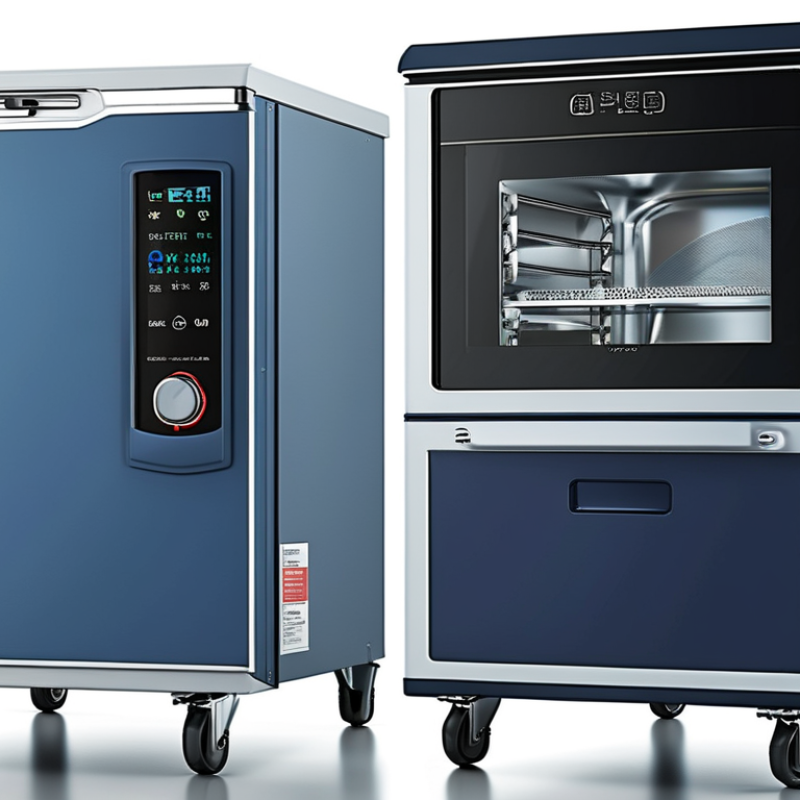
A medical cassette sterilizer is a compact steam sterilizer designed for rapid instrument processing. It uses a sealed cassette to hold dental or surgical instruments during a controlled sterilization cycle. Pressurized steam reaches the cassette interior and destroys resistant microorganisms when the required temperature, exposure time, and pressure are achieved.
The cassette protects instruments during handling and supports quick movement between treatment rooms. Many units also include air removal, drying, and cycle recording functions. Staff should place instruments loosely inside the cassette. Overloading can block steam circulation and leave wet surfaces. That detail matters. Clean instruments must enter the process, because sterilization cannot reliably replace proper cleaning.
In daily practice, trained staff verify chemical indicators and review cycle records before releasing instruments. Facilities may also use biological monitoring under their approved infection-control procedures. Manufacturer instructions and applicable healthcare standards should guide loading, maintenance, and testing. A damaged gasket, blocked vent, or poorly fitted cassette can affect performance. Human judgment remains important. Even reliable equipment cannot correct rushed preparation or incomplete documentation. My practical concern is that speed can become the main goal, while drying and inspection receive less attention. A cassette sterilizer is useful only when its technology, maintenance, and operating discipline work together.
| No. | Anonymous Manufacturer Profile | Typical Sterilizer Format | Chamber Capacity | Common Sterilization Temperatures | Typical Cycle Range | Drying Function | Control and Traceability | Common Compliance References | Typical Medical Applications |
|---|---|---|---|---|---|---|---|---|---|
| 1 | Profile A Compact tabletop cassette specialist |
Automatic steam cassette sterilizer | Approximately 8–12 L | 121°C and 134°C | Approximately 15–35 minutes, excluding warm-up and drying | Integrated | Digital display, cycle selection, alarm codes, temperature and pressure monitoring | EN 13060; ISO 17665; IEC 61010-1; IEC 61326-1 | Dental handpieces, small surgical instruments, outpatient clinics |
| 2 | Profile B Dental instrument sterilization supplier |
Front-loading cassette or tray model | Approximately 10–16 L | 121°C and 134°C | Approximately 20–40 minutes, depending on load and cycle | Integrated | Microprocessor control, cycle memory, end-of-cycle notification, fault protection | EN 13060; ISO 17665; ISO 13485 manufacturing quality systems | Dental practices, oral surgery, ambulatory care units |
| 3 | Profile C Medical and dental tabletop equipment producer |
Class B-style vacuum steam sterilizer with cassette support | Approximately 12–18 L | 134°C for many wrapped and hollow-load cycles; 121°C for selected loads | Approximately 25–50 minutes, depending on load type | Pre-vacuum drying | Pre-vacuum monitoring, digital cycle records, USB or printer export on selected configurations | EN 13060; ISO 17665; IEC 61010-1; IEC 61326-1 | Wrapped instruments, hollow instruments, dental handpieces |
| 4 | Profile D Portable sterilization equipment manufacturer |
Compact cassette sterilizer for mobile or low-volume use | Approximately 8–14 L | 121°C and 134°C | Approximately 18–40 minutes, excluding preparation time | Optional or integrated | Touch or membrane keypad, automatic water-level detection, over-temperature protection | EN 13060; ISO 17665; applicable electrical safety requirements | Mobile clinics, dental offices, small outpatient facilities |
| 5 | Profile E High-throughput tabletop sterilizer supplier |
Large-capacity cassette and tray steam sterilizer | Approximately 18–23 L | 121°C and 134°C | Approximately 30–60 minutes, depending on load configuration | Integrated | Programmable cycles, load-status display, data logging, preventive-maintenance prompts | EN 13060; ISO 17665; ISO 13485; IEC 61010-1 | Dental groups, minor procedure rooms, central sterilization areas |
| 6 | Profile F Private-label medical equipment manufacturer |
Tabletop steam sterilizer with interchangeable cassette trays | Approximately 10–18 L | 121°C and 134°C | Approximately 20–50 minutes, depending on cycle and drying selection | Integrated | Electronic pressure control, cycle counter, audible and visual alerts | EN 13060; ISO 17665; electrical safety and EMC requirements | Reusable non-invasive and invasive instruments compatible with steam |
| 7 | Profile G Hospital support equipment producer |
Vacuum-assisted tabletop sterilizer with cassette loading | Approximately 16–23 L | 134°C commonly used for wrapped and hollow instruments | Approximately 30–60 minutes, including drying for selected programs | Enhanced drying | Vacuum-stage monitoring, batch identification, electronic record capability | EN 13060; ISO 17665; ISO 13485; IEC 61326-1 | Outpatient surgery, podiatry, dentistry, small hospital departments |
| 8 | Profile H OEM cassette sterilizer manufacturer |
Configurable tabletop unit supplied with customized cassette formats | Approximately 8–20 L | 121°C and 134°C, subject to validated load cycles | Approximately 20–55 minutes, depending on configuration | Configuration-dependent | Custom interface options, cycle parameter management, service diagnostic mode | EN 13060; ISO 17665; ISO 13485; applicable regional requirements | Dental, veterinary, laboratory, and outpatient medical applications |
| 9 | Profile I Budget-focused tabletop sterilizer supplier |
Basic automatic cassette steam sterilizer | Approximately 8–16 L | 121°C and 134°C | Approximately 20–45 minutes, excluding warm-up | Basic drying | LED or LCD status display, automatic shutdown, water-quality and level alerts on selected models | EN 13060; ISO 17665; applicable electrical safety requirements | Small dental clinics, beauty and podiatry practices, low-volume facilities |
| 10 | Profile J Export-oriented sterilization equipment manufacturer |
Multi-program cassette and wrapped-load steam sterilizer | Approximately 12–23 L | 121°C and 134°C | Approximately 25–60 minutes, depending on load, packaging, and drying | Integrated | Multilingual interface, cycle history, USB or printer support, service reminders | EN 13060; ISO 17665; ISO 13485; IEC 61010-1; IEC 61326-1 | International dental distributors, outpatient centers, private clinics |