What is the Best Total Dissolved Solids Meter for Your Needs?
Selecting the right Total Dissolved Solids Meter can seem overwhelming. With numerous models available, each tailored to different needs, making an informed decision becomes crucial. Renowned water quality expert Dr. Sarah Jennings emphasizes, "A quality Total Dissolved Solids Meter is essential for accurate water testing."
Understanding the specifications and features of these meters is vital. Some models offer advanced calibrations, while others may lack precision. The accuracy of readings can affect various applications, from aquariums to agricultural projects. High TDS levels can indicate contaminants, impacting both health and equipment.
Even the best Total Dissolved Solids Meters can make inaccurate measurements if not used correctly. It’s important to consider user reviews and expert opinions. Some meters may excel in specific scenarios but falter in others. Identifying the best fit requires thorough research and a clear understanding of one's needs.
Understanding Total Dissolved Solids (TDS) and Their Importance
Total Dissolved Solids (TDS) represent the total amount of organic and inorganic substances in water. These include minerals, salts, and metals. Understanding TDS is essential for various applications, such as drinking water quality, aquaculture, and hydroponics. High levels of TDS can indicate pollution or poor water quality. Conversely, low TDS levels might suggest a lack of necessary nutrients.
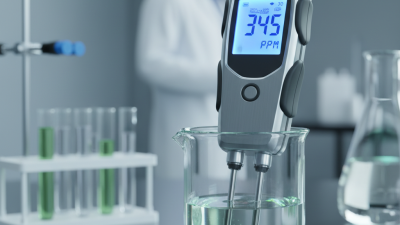
Monitoring TDS helps maintain the balance of aquatic ecosystems. For hydroponic systems, specific TDS levels can optimize plant growth. A TDS meter provides instantaneous readings. However, not all meters are reliable. Some may lack accuracy and precision. This can lead to poor decision-making. Users should educate themselves on interpreting TDS values to avoid misunderstandings.
Improper handling of TDS meters can lead to distorted readings. Regular calibration is crucial for accuracy. Users might neglect this step, resulting in false security about water quality. The importance of TDS cannot be overstated. It impacts health, agriculture, and industry. Always remain vigilant in selecting and using TDS meters effectively.
Factors to Consider When Choosing a TDS Meter for Your Needs
When selecting a total dissolved solids (TDS) meter, several key factors should guide your choice. Accuracy is paramount. A reliable meter should offer precise readings, ideally within ±2% to ±5%. According to a recent industry report, meters with higher resolution provide better insights into water quality. The range of measurement also matters; some applications may require detecting TDS levels as low as 10 ppm, while others might need readings up to 10,000 ppm.
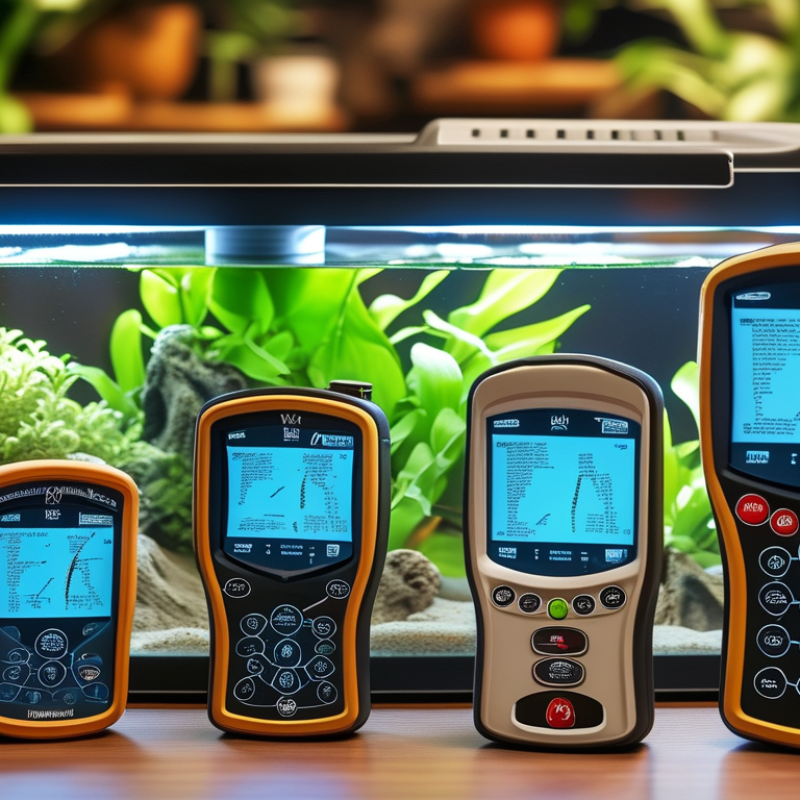
User-friendliness is another critical aspect. Meters equipped with clear, backlit displays are easier to read in various lighting conditions. Portability is essential for fieldwork. A compact, lightweight design is preferred by professionals who need to measure TDS on the go. Consider the calibration process, too. Some meters offer automatic calibration, saving time and ensuring consistent accuracy.
Durability is often overlooked. Devices that can withstand water exposure and rough handling tend to have a longer lifespan. Some reports indicate that more robust models can reduce replacement costs over time. Reflecting on your specific needs, the best meter for you depends on your application, whether it’s for aquariums, hydroponics, or environmental monitoring. Each scenario may require different features, so understanding your priorities will lead to a more informed decision.
Comparing Top TDS Meters: Features, Accuracy, and Price
When choosing a total dissolved solids (TDS) meter, accuracy and features are vital. Many models vary in how well they measure TDS levels in water. Some have built-in temperature compensation, while others do not. This feature ensures accurate readings. Measurements can change with temperature fluctuations, so it's best to consider this when selecting a device.
Price is another crucial aspect. You can find TDS meters that range from budget-friendly to high-end models. Affordability doesn't always guarantee quality. It's wise to review each product's specifications carefully. Some cheaper models may provide inconsistent readings, leading to confusion. Investing in a reliable meter can save you time and potential health risks.
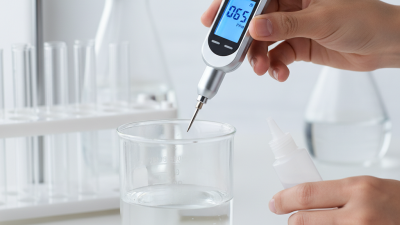
Tips: Always calibrate your TDS meter before each use. Simple calibration can enhance accuracy significantly. Consider using distilled water for calibration. Researching online reviews can provide real user insights. Look for meters with robust warranties, showing manufacturers' confidence in their products.
Industry Standards and Calibration for Reliable TDS Measurements
When it comes to measuring Total Dissolved Solids (TDS), accuracy is paramount. Calibration is essential to ensure that your TDS meter provides reliable results. An improperly calibrated meter can lead to misleading readings. Industry standards suggest calibrating meters regularly, ideally before each major use. This is crucial for applications in water treatment, hydroponics, and aquaculture, where precise measurements can significantly impact outcomes.
Different calibration solutions are available, usually based on known concentrations of dissolved solids. Choosing the right calibration solution based on your specific TDS range is vital. While the process may seem straightforward, it requires attention to detail. If a meter is not calibrated correctly, the user may overlook essential indicators of water quality. Observing this can lead to larger issues downstream.
Understanding the importance of proper calibration reinforces your expertise in TDS measurement. Even experienced professionals sometimes overlook routine checks. Regular calibration can save you from unwanted surprises that come from inaccurate data. Investing time in calibration tools and following best practices demonstrates a commitment to accuracy and reliability in your measurements.
Applications of TDS Meters Across Various Industries and Settings
Total Dissolved Solids (TDS) meters play a critical role in various industries. In the agricultural sector, these devices are essential for monitoring water quality. They help farmers ensure optimal nutrient levels. Reports indicate that 70% of fresh water usage is attributed to agriculture. Poor quality water can lead to reduced crop yields and unsafe produce.
In aquaculture, TDS meters are equally vital. Maintaining the right balance of dissolved solids ensures healthy fish populations. Studies show that inappropriate TDS levels can cause stress in aquatic species. This stress leads to increased mortality rates. Continuous monitoring helps in creating a stable environment for fish growth.
In the drinking water industry, TDS meters help maintain safety standards. According to the Environmental Protection Agency (EPA), safe TDS levels are crucial for protecting human health. Water with high TDS levels can taste unpleasant and may indicate contamination. Reliable monitoring is necessary to ensure compliance with regulations. However, not all users fully understand TDS readings, leading to potential misinterpretations. Providing further education for users remains a significant challenge.
What is the Best Total Dissolved Solids Meter for Your Needs? - Applications of TDS Meters Across Various Industries and Settings
| Application |
Recommended TDS Meter Type |
Measurement Range (mg/L) |
Accuracy (%) |
Price Range (USD) |
| Drinking Water Quality |
Portable Digital TDS Meter |
0 - 1000 |
±2% |
20 - 50 |
| Aquaculture |
Professional TDS Meter |
0 - 5000 |
±1% |
100 - 300 |
| Hydroponics |
Digital Handheld TDS Meter |
0 - 2000 |
±1.5% |
30 - 80 |
| Food Processing |
Industrial TDS Meter |
0 - 10000 |
±0.5% |
500 - 1500 |
| Environmental Monitoring |
Water Quality Analyzer |
0 - 5000 |
±2% |
200 - 800 |