What Is the Best Lab Water Purification System for Labs?
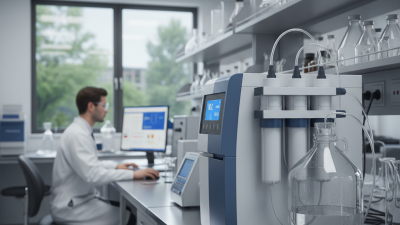
In today's laboratory environment, the integrity of experiments relies heavily on a reliable Lab Water Purification System. Research indicates that up to 70% of laboratory processes depend on ultra-pure water. According to a report by the American Chemical Society, impurities in water can lead to significant variations in results. This underscores the importance of selecting the right purification system tailored to specific laboratory needs.
Choosing a Lab Water Purification System involves important considerations. Factors such as water source, required purity level, and consumption rates are critical. The market offers various purification technologies, including reverse osmosis and distillation. However, each system has its strengths and weaknesses. For instance, while reverse osmosis is effective, it might require frequent maintenance.
Not all laboratories have the same requirements. Some might prioritize quick access to water, while others emphasize long-term cost efficiency. This diverse range of needs often leads to mismatched systems and inefficiencies. Therefore, careful assessment and future planning are key to optimizing laboratory operations.
Overview of Lab Water Purification Systems
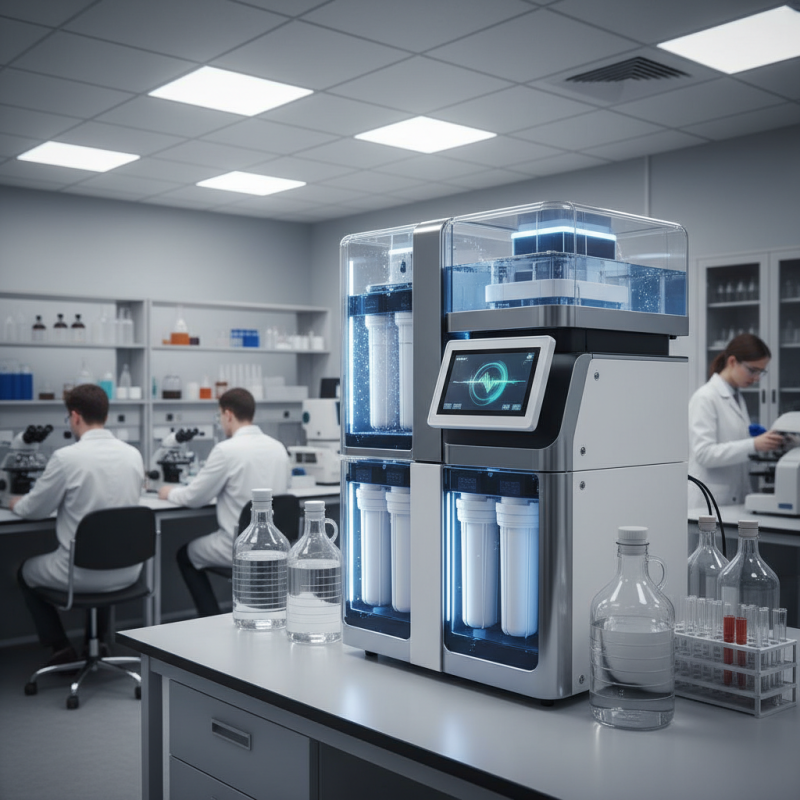
Laboratories require specific water purity levels for various applications. Understanding different lab water purification systems is essential. Each system serves unique purposes, catering to distinct methodologies and research needs.
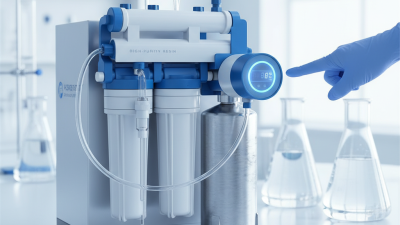
Reverse osmosis is one popular method. It effectively removes contaminants by forcing water through a semi-permeable membrane. This technology is reliable but can require maintenance. Another effective system is deionization, which exchanges harmful ions with hydrogen and hydroxide. This method produces high-purity water but needs frequent resin replacement.
Tips: Regular maintenance is crucial for optimal performance. Check filters and membranes routinely. Experiment with water quality before significant projects to avoid potential errors.
Ultraviolet (UV) purification systems offer additional protection. They eliminate bacteria and viruses, ensuring microbiological safety. However, they may not remove all inorganic contaminants. A hybrid approach, combining different systems, can maximize water purity. Balancing cost and effectiveness can be challenging and might need thoughtful consideration.
Types of Water Purification Technologies for Labs
Water purification is crucial in laboratories. Different technologies cater to specific needs. Understanding these options helps ensure the right choice.
RO (reverse osmosis) systems are often popular. They remove a broad range of contaminants. The process is effective but can waste water. This inefficiency may rise when working on larger projects. Considerable maintenance is also required. Regular filter changes ensure optimal performance.
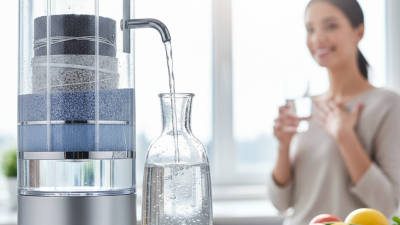
UV (ultraviolet) purification is another method. It is efficient in killing bacteria and viruses. However, it does not remove dissolved solids. Relying solely on this method can create gaps in purity. Activated carbon filters serve to improve taste and odor. Yet, they may not eliminate all harmful substances. Balancing these methods can yield the best results.
Factors to Consider When Choosing a Lab Water Purification System
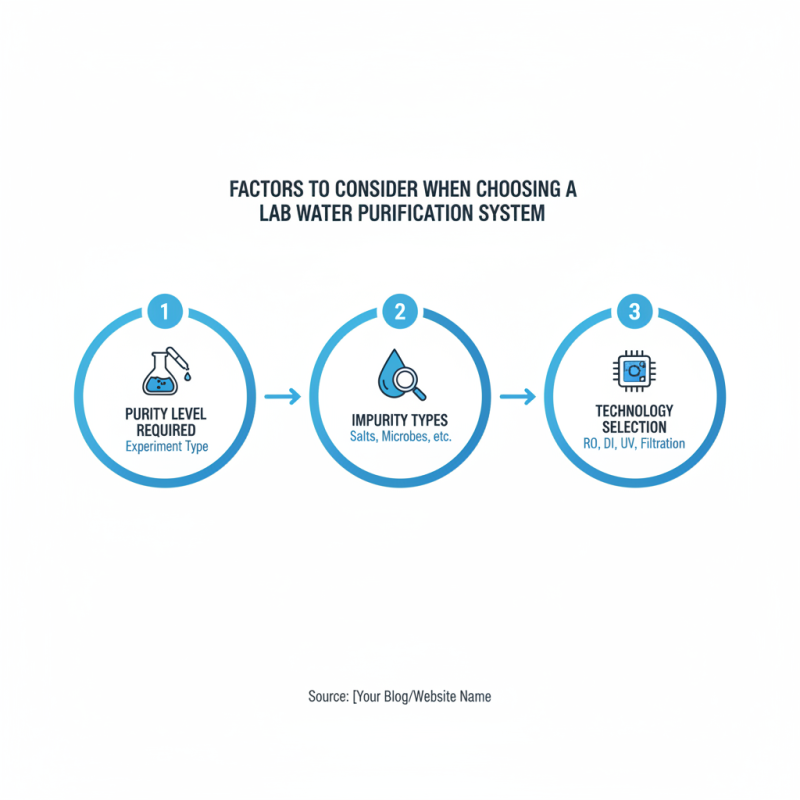
When selecting a lab water purification system, several factors are crucial. The purity level required for your specific applications is paramount. For instance, different experiments may need varying levels of contaminants removed from the water. Consider the type of impurities common in your area’s water supply, such as salts or microbial content. This will guide you in choosing the appropriate technology.
Another important aspect is the flow rate of the system. A system that produces water too slowly can delay experiments and affect productivity. Evaluate the daily water consumption needs of your lab. Moreover, maintenance requirements should not be overlooked. Regular filter changes and system checks can be tedious. Look for systems that balance performance with ease of upkeep.
Cost is always a factor. But it’s crucial to consider total ownership cost, not just upfront expenses. Initial savings might lead to higher long-term costs. Reflect on the return on investment for the system. Having reliable water directly impacts the reliability of your results. Think about the consequences of poor-quality water on your lab work. Make informed decisions to ensure your lab functions efficiently.
Comparison of Popular Lab Water Purification Systems
Choosing the right lab water purification system is critical for maintaining high standards in research. Various systems are available, each with unique features and efficiencies. A comprehensive comparison is essential to determine the best fit for specific lab needs.
Reverse osmosis (RO) systems remove a wide range of contaminants, achieving purities above 90%. They are often preferred for preparing ultrapure water. According to a report from the Laboratory Water Purification Systems Market, 30% of labs prioritize reverse osmosis for its cost-effectiveness and reliability. However, RO systems may require frequent maintenance and regular filter replacements.
Distillation systems are another popular choice, particularly for their ability to eliminate bacteria and organic compounds. They operate by boiling water and condensing vapor, resulting in high purity. While distillation provides excellent quality, it can be energy-intensive. Some studies show that about 25% of labs still prefer distillation despite the concerns over energy consumption. Each system has strengths and limitations, and careful consideration of lab-specific requirements is necessary to make an informed decision.
Comparison of Popular Lab Water Purification Systems
This chart compares the average purity levels achieved by some of the most popular water purification methods used in laboratories. In general, distillation remains the highest in purity, closely followed by deionization, while ultrafiltration tends to provide lower purity levels.
Maintenance and Operational Costs of Lab Water Purification Systems
Maintenance and operational costs are critical factors when selecting a laboratory water purification system. Regular upkeep is necessary to ensure consistent water quality. If maintenance is neglected, systems can become less efficient. This inefficiency can lead to higher costs in the long run.
Consumables account for a significant portion of ongoing expenses. Replacement filters, membranes, and cartridges must be changed regularly. Depending on usage, this can add up quickly. Monitoring usage patterns helps in predicting these costs. It’s wise to find a balance between quality and cost. Sometimes, paying a bit more initially leads to better efficiency and longer intervals between replacements.
Power consumption is another often-overlooked expense. Some systems may require substantial energy to operate. Assessing the energy requirements before installation is crucial. In laboratories with tight budgets, these costs can strain resources. Users may find that older systems consume more power, impacting the overall cost-effectiveness. Regular audits can help identify unnecessary expenses and areas for improvement.