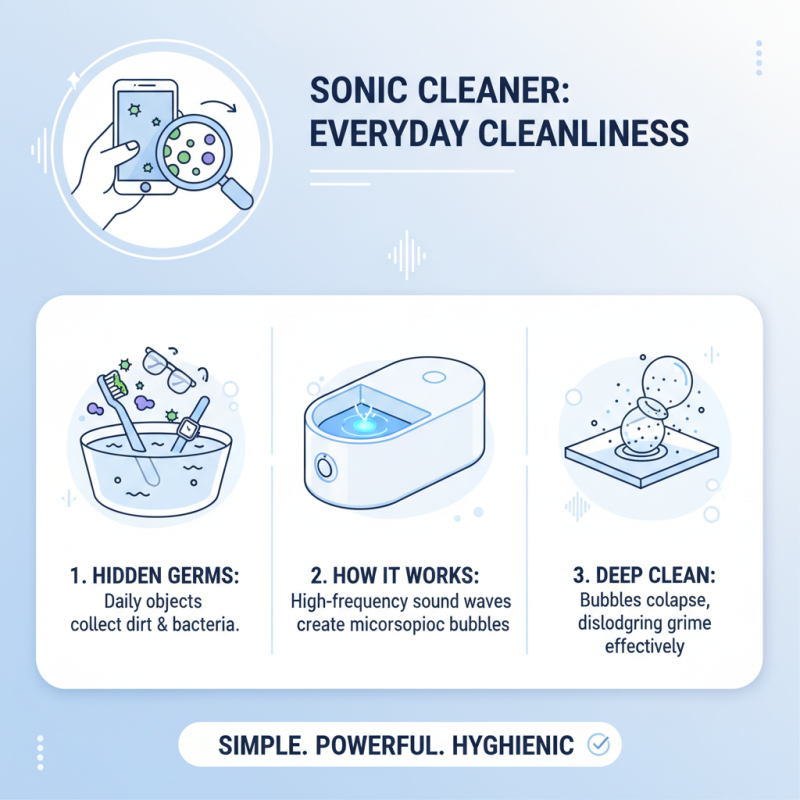
In today's fast-paced world, maintaining cleanliness is paramount. A Sonic Cleaner offers a revolutionary solution for everyday cleaning needs. According to a report by MarketsandMarkets, the global ultrasonic cleaning market is projected to reach $1.1 billion by 2026, reflecting the increasing adoption of this technology across various sectors.
Sonic Cleaners use high-frequency sound waves to generate microscopic bubbles. These bubbles effectively remove dirt and grime from surfaces, surpassing traditional cleaning methods. Reports highlight that users have seen up to a 90% improvement in cleaning efficiency compared to manual scrubbing. This effectiveness can prove essential in maintaining health and hygiene, especially in environments where contamination is a concern.
However, not every Sonic Cleaner is perfect for every task. Some users find that intricate or sensitive items require more careful handling. It's crucial to select a model suited to specific cleaning needs and surfaces. While the technology offers vast benefits, it demands an understanding of its limitations. Embracing a Sonic Cleaner means re-evaluating traditional cleaning habits and recognizing where ultrasonic cleaning truly excels.
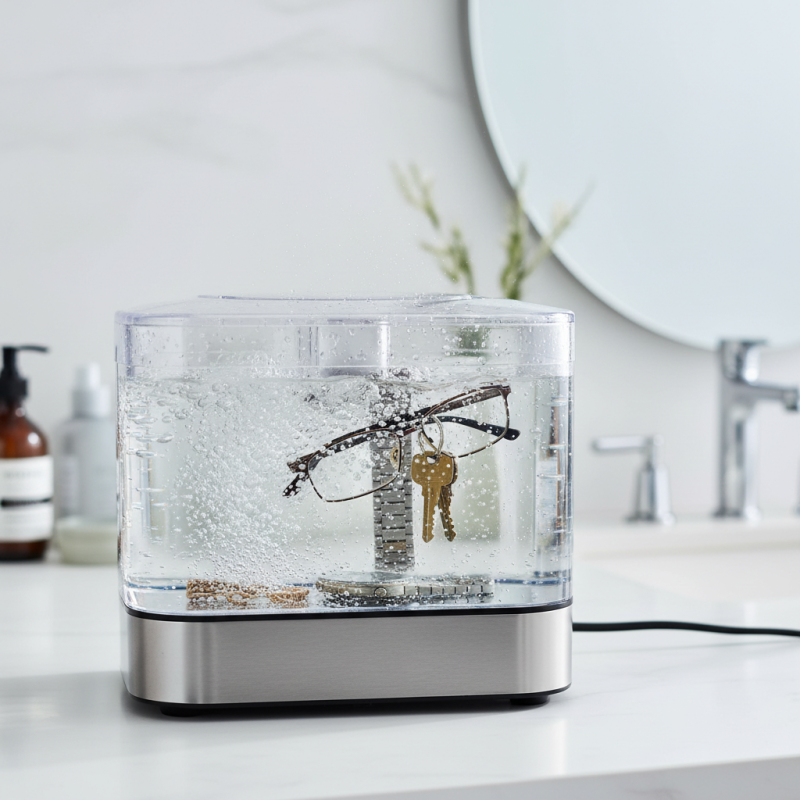
Sonic cleaning has revolutionized how we maintain personal items. It's a method that uses high-frequency sound waves to create tiny bubbles in a cleaning solution. These bubbles penetrate even the smallest crevices, ensuring a thorough clean. Research indicates that sonic cleaning can remove 99.9% of bacteria from surfaces. This makes it an essential tool for maintaining hygiene in everyday accessories.
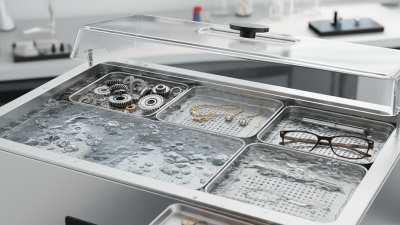
Personal jewelry, eyeglasses, and watches can be revitalized with sonic cleaners. For instance, jewelry often collects dirt and oils that we might overlook. With sonic cleaning, even the tiniest particles are dislodged. Eyeglasses, which can harbor germs, become crystal clear again. Sonic cleaning can save time and effort, especially for those with busy lifestyles.
When using a sonic cleaner, consider these tips: focus on the recommended cleaning time for each item to avoid damage. Using a dedicated solution specific for sonic cleaning will enhance effectiveness and ensure safety. Don’t forget to regularly check the cleanliness of your cleaner itself. A dirty machine can lead to less-than-ideal results, which is a common oversight. Regular maintenance of the cleaning equipment is essential for optimal performance.
This chart illustrates the top ten benefits of using a sonic cleaner for personal items and accessories. Each benefit is scored based on its effectiveness, highlighting the significant advantages of sonic cleaning technology.
Sonic cleaning technology has transformed how we approach everyday cleaning tasks. This method employs high-frequency sound waves to create microscopic bubbles. When these bubbles implode, they release energy that effectively removes dirt and grime from surfaces. Even the tiniest crevices can be reached, ensuring a thorough clean that manual methods often miss.
Incorporating a sonic cleaner into your routine can be a game-changer. For example, jewelry sparkles like new after just a few minutes of treatment. Regular cleaning tasks, such as washing eyeglasses or cleaning watches, become quicker and more efficient. While the technology is impressive, it's essential to remember that not all materials respond well. Some softer metals or delicate items may need extra care to avoid damage.
Adopting sonic technology requires a bit of trial and error. You might find that certain items require specific settings or times for optimal cleaning. Being patient with the process will yield better results. This approach highlights the focus on both efficiency and care in cleaning, balancing innovation with personal attention. It's intriguing to see how technology can elevate daily routines, though adapting may take some time.
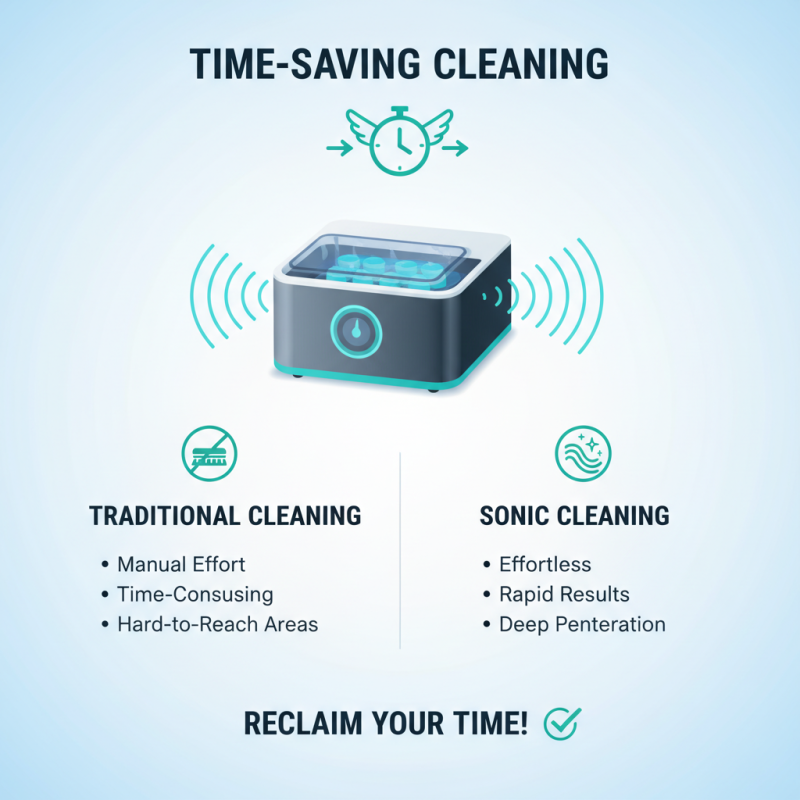
Cleaning can often feel like a never-ending chore. Tasks pile up, taking valuable time away from our lives. Sonic cleaners provide a solution, significantly reducing the time and effort required for daily cleaning. Using ultrasonic waves, these devices penetrate even the tiniest crevices. They can remove dirt and grime in a fraction of the time compared to traditional methods.
Imagine cleaning jewelry or eyeglasses. It usually involves scrubbing and soaking. A sonic cleaner does the work for you. Just place your items in the machine and let it do its job. This efficiency means you can multitask or relax while your items are being cleaned. However, it's important to remember that not all items are suitable for sonic cleaning. Some materials might not react well. It's essential to check compatibility before diving in.
One might wonder if this method really saves time. While the initial setup takes a moment, the hands-free cleaning pays off. You might find yourself contemplating whether you really need that extra cleaning task. Life is busy, and efficiency can be a game-changer. But sometimes we get caught up in wanting everything spotless. It's a balancing act between quick cleaning and thorough attention to detail.
Everyday objects we use often harbor germs. The buildup of dirt and bacteria can affect our health. A sonic cleaner can help combat this issue effectively. This device uses high-frequency sound waves to create tiny bubbles. These bubbles collapse and dislodge dirt. It’s a simple yet powerful method for cleaning.
Consider your jewelry or eyeglasses. They might appear clean, but are they really hygienic? Sonic cleaners can reach the intricate spaces where dirt hides. This ensures a deeper clean. Imagine wearing jewelry that sparkles but also feels safe. The same goes for dental tools and other personal items. Using a sonic cleaner can greatly enhance sanitation.
However, it's important to reflect on limitations. Not all materials respond well to ultrasonic cleaning. Some delicate items may get damaged. Regularly using a sonic cleaner may also lead to complacency about manual cleaning. It's crucial to balance high-tech solutions with traditional methods. Be aware of what you clean. Combining both techniques can lead to better hygiene.
Sonic cleaners are not just for jewelry. Their versatility extends to various everyday applications. Many people use them to clean eyeglasses, watches, and dental appliances. The powerful ultrasonic waves can reach tiny crevices, making a significant difference in cleanliness.
**Tip:** Always check the material of the items before cleaning. Some items may not react well to sonic cleaning.
In the automotive world, sonic cleaners can remove grime from carburetors and fuel injectors. They work wonders on delicate cable systems as well. However, results may vary. Some stubborn stains might still persist after cleaning.
**Tip:** If you notice residue left behind, a second round of cleaning may be necessary. Patience is vital for the best results.
In the culinary realm, sonic cleaners can sanitize utensils and molds. They can tackle tough oils and food residues effectively. Yet, not all items will return to their spotless state. It’s an exploration of what works best.
**Tip:** Use a solution appropriate for food items to avoid contamination.
| Benefit | Description | Applications | Time Savings |
|---|---|---|---|
| Thorough Cleaning | Uses ultrasonic waves to remove dirt and grime. | Jewelry, glasses, dental tools | Faster than manual cleaning, minutes vs hours. |
| Gentle for Delicate Items | Safe for delicate materials and intricate designs. | Antiques, watches, camera lenses | Minimal effort required. |
| Eco-friendly | Reduces the need for harsh chemicals. | Cleaning metals, fabrics | Less chemical disposal. |
| Versatile Use | Applicable for various materials and objects. | Tools, electronics, coins | Can clean multiple items simultaneously. |
| Consistency | Delivers the same quality of cleaning every time. | Uniform cleaning for auto parts, furniture | Less variability in cleaning results. |
| Deep Cleaning | Penetrates hard-to-reach areas. | Tiny crevices in machinery | Saves time spent on additional scrubbing. |
| User-Friendly | Easy to operate, no special training needed. | Home use, small businesses | Less training time for employees. |
| Cost-Effective | Reduces the need for replacement or repair. | Tools, parts, and accessories | Minimized maintenance costs. |
| Health Benefits | Removes harmful bacteria and viruses. | Medical instruments, personal hygiene items | Improved health for users. |
| Time Efficiency | Cleans in a fraction of the time compared to traditional methods. | Household items, crafts | More time for other tasks. |