Why Should You Use an Ultrasonic Cleaner for Your Cleaning Needs?
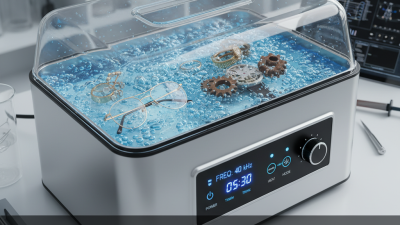
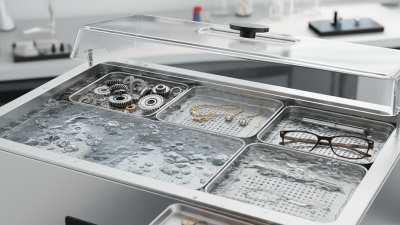
Cleaning is a crucial part of maintaining a healthy environment. Many traditional methods can be time-consuming and may not yield the best results. This is where an Ultrasonic Cleaner comes into play. It represents a modern solution for effective cleaning, using sound waves to produce tiny bubbles that can reach intricate surfaces.
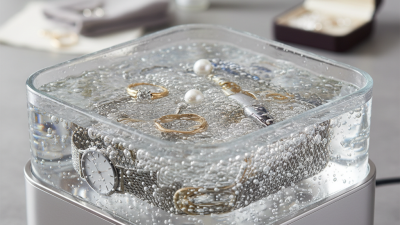
Imagine trying to clean delicate jewelry or intricate machine parts. Hand scrubbing can be ineffective and even damaging. An Ultrasonic Cleaner offers a gentle yet thorough approach. It can remove dirt and grime without harsh chemicals. Yet, some people may underestimate its capabilities or overuse it on sensitive items.
Understanding how and when to use an Ultrasonic Cleaner is essential. It's not just about convenience; it’s about achieving high-quality results. Regular cleaning means fewer repairs and longer-lasting items. However, you must learn the best practices for various materials. Improper use can lead to disappointing results.
Advantages of Ultrasonic Cleaning Technology in Various Industries
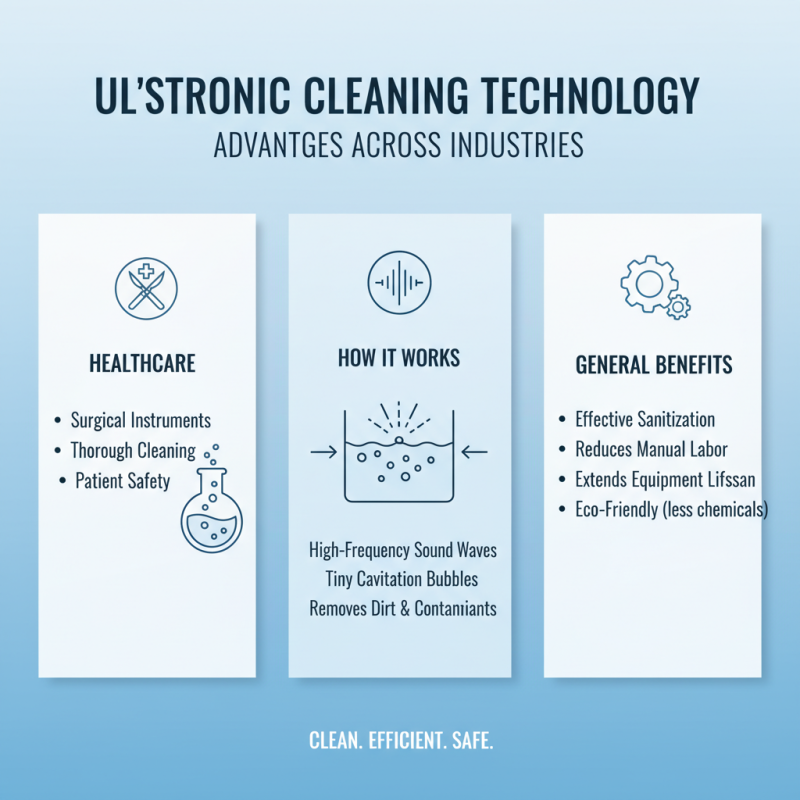
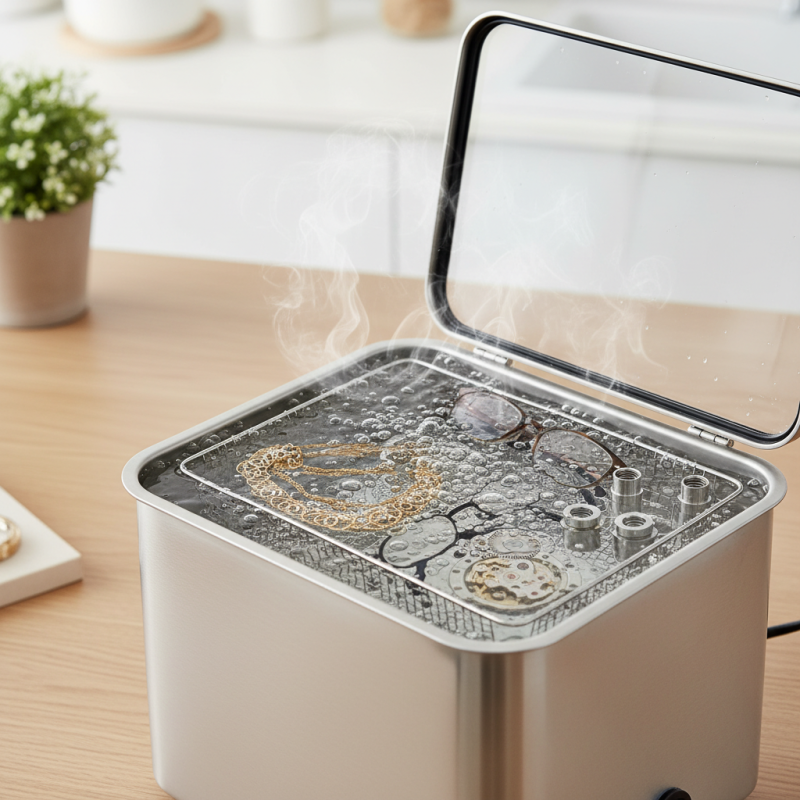
Ultrasonic cleaning technology provides significant benefits across various industries. In healthcare, it ensures surgical instruments are thoroughly cleaned. The high-frequency sound waves create tiny bubbles that remove dirt and contaminants. This results in instruments being sanitized effectively, promoting patient safety.
In the automotive industry, ultrasonic cleaners tackle tough grease and grime on engine parts. Regular cleaning can prevent costly repairs and extend the lifespan of equipment. It's essential for parts to be free of debris to ensure optimal performance.
Tips for using ultrasonic cleaners: Always follow the manufacturer's guidelines for cleaning solutions. Choose the right frequency based on the objects being cleaned. Avoid overloading the tank, as this may hinder the cleaning process. Sometimes, items may need multiple cycles for complete cleanliness. Reflect on your results each time and adjust your methods as necessary.
The Science Behind Ultrasonic Cleaning: How It Works and Its Effectiveness
Ultrasonic cleaning employs high-frequency sound waves to produce cavitation bubbles in a liquid. When these bubbles collapse, they create tiny shock waves that effectively remove dirt and contaminants. This process can reach intricate surfaces and crevices that traditional cleaning methods often miss. According to research published by the American Cleaning Institute, ultrasonic cleaning can improve cleaning efficiency by up to 90% compared to manual methods.
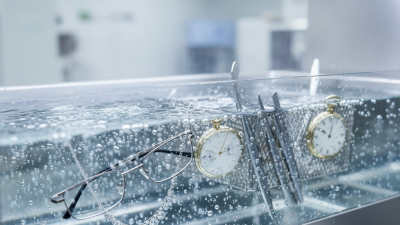
The effectiveness of ultrasonic cleaning shines in diverse applications. For instance, jewelry, medical instruments, and delicate machineries benefit significantly. A study indicated that this method reduces cleaning time by approximately 50%. However, incorrect usage may lead to damaged items. Always test materials before starting. Reflect on past mistakes where overzealous cleaning caused issues.
Tips: Ensure the cleaning solution matches the item. Not all solvents are suitable. Always check the manufacturer's recommendations. Additionally, using an ultrasonic cleaner for long periods might be counterproductive. It's crucial to find the right balance for effective cleaning without damaging your belongings.
Why Should You Use an Ultrasonic Cleaner for Your Cleaning Needs?
| Cleaning Category |
Typical Contaminants |
Ultrasonic Cleaning Benefits |
Recommended Frequency |
| Jewelry |
Dirt, oils, and tarnish |
Gentle on delicate materials, thorough cleaning |
Every 1-3 months |
| Optical Devices |
Dust, grease, and particles |
Effective cleaning without scratching surfaces |
Monthly |
| Medical Instruments |
Blood, proteins, and contaminants |
Meets sanitation standards, maximizes sterilization |
After each use |
| Industrial Parts |
Grease, dirt, and machining residues |
High efficiency, reduces manual labor |
Weekly |
| Automotive Components |
Oil, dirt, and carbon deposits |
Deep cleaning in hard-to-reach areas |
As needed |
Comparison of Ultrasonic Cleaners vs. Traditional Cleaning Methods
Ultrasonic cleaners are changing the cleaning game. They use high-frequency sound waves to remove dirt and contaminants. This method is highly efficient compared to traditional cleaning methods. Research shows that ultrasonic cleaning can remove 99% of contaminants from complex and delicate items.
Traditional cleaning relies heavily on scrubbing and chemicals. These methods can be time-consuming and often provide inconsistent results. In contrast, ultrasonic cleaners provide thorough cleaning in a fraction of the time. They can reach into tiny crevices that are challenging to clean by hand. This results in a more efficient cleaning process and preserves the integrity of items.
Tips: Ensure items are placed correctly in the ultrasonic tank. Avoid overcrowding to achieve optimal results. Cleaners should also consider the frequency of sound waves used. Higher frequencies tend to clean finer details, while lower frequencies are better for larger debris. It's important to assess the right frequency for specific cleaning needs. Remember, while ultrasonic cleaning is powerful, not all materials are suitable for this method. Adjust expectations accordingly.
Comparison of Ultrasonic Cleaners vs. Traditional Cleaning Methods
This bar chart compares the performance of ultrasonic cleaners against traditional cleaning methods across five dimensions: Cleaning Speed, Effectiveness, Ease of Use, Safety, and Cost Efficiency. As shown, ultrasonic cleaners generally outperform traditional methods in most areas.
Industry Statistics Supporting Ultrasonic Cleaners for Enhanced Efficiency
Ultrasonic cleaners have gained popularity in various industries. They use high-frequency sound waves to create microscopic bubbles in a cleaning solution. This process is known as cavitation. These bubbles implode, creating tiny shockwaves that effectively remove dirt and contaminants. Studies reveal that ultrasonic cleaning can dramatically improve cleaning efficiency compared to traditional methods.
According to industry statistics, ultrasonic cleaners can enhance productivity by up to 50%. Many users report significant time savings, often cutting cleaning times in half. For precision instruments and delicate parts, ultrasonic cleaning offers a gentle yet thorough solution. This method reaches areas that brushes and manual scrubbing cannot. However, not all materials are compatible, leading to potential damage if not tested properly.
In other cases, simply relying on ultrasonic cleaning may give a false sense of security. Some stubborn residues may require additional steps. Regular maintenance of the cleaner itself is crucial to ensure optimal performance. Users must take care to choose the right cleaning solution for specific applications. It's vital to acknowledge that ultrasonic cleaning is not a one-size-fits-all approach.
Applications of Ultrasonic Cleaners in Healthcare, Automotive, and Jewelry Sectors
Ultrasonic cleaners are gaining popularity across various sectors, especially healthcare, automotive, and jewelry. In healthcare, these devices effectively clean surgical instruments, dental tools, and laboratory glassware. The high-frequency sound waves create tiny bubbles in a cleaning solution. When these bubbles collapse, they dislodge dirt and contaminants from even the most intricate surfaces. A thorough cleaning is essential in healthcare. Even a tiny residue can lead to infections.
In the automotive industry, ultrasonic cleaners tackle grease and dirt from engine parts and carburetors. They reach areas that are often difficult to clean by hand. Using these cleaners reduces labor time significantly. However, it is vital to select the right cleaning solution. Some materials may not withstand ultrasonic cleaning. Testing on a small scale is advisable before undertaking a large batch.
Jewelry cleaning is another critical application. Ultrasonic cleaners can restore shine to intricate designs. They remove tarnish and dirt from gemstones and metal settings effectively. However, not all jewelry should be cleaned this way. Some stones may fracture or lose their luster. It is essential to examine each piece carefully before cleaning. Ultrasonic cleaners offer notable advantages but require attention to detail for optimal results.