Top Benefits of Using an Ultrasonic Bath for Effective Cleaning?
In today’s fast-paced world, keeping things clean is more important than ever. An Ultrasonic Bath offers an innovative solution for effective cleaning. This powerful cleaning method uses high-frequency sound waves to eliminate dirt and grime. It reaches even the tightest spaces in complex items.
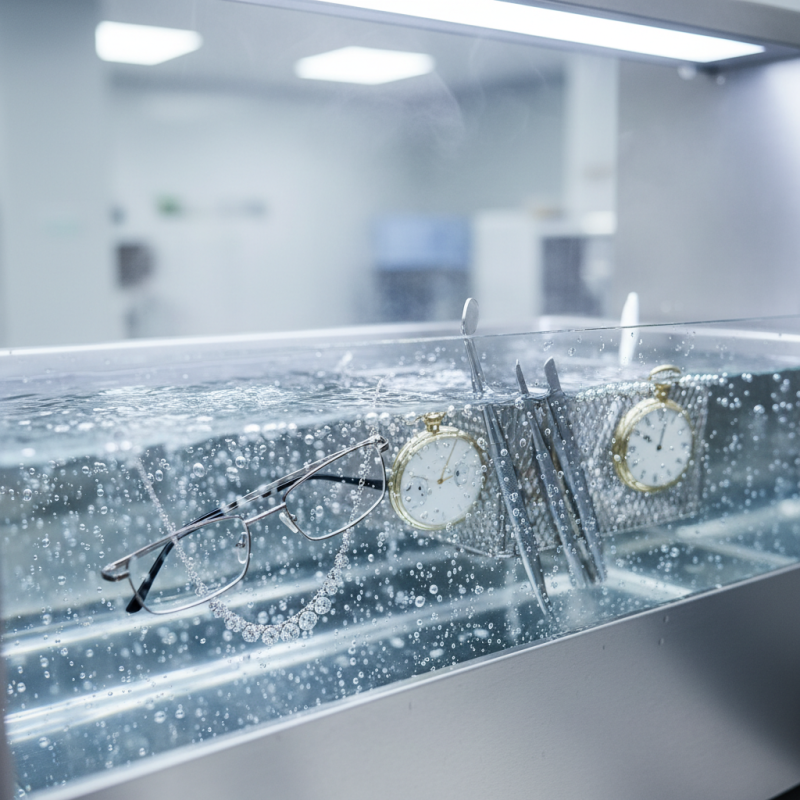
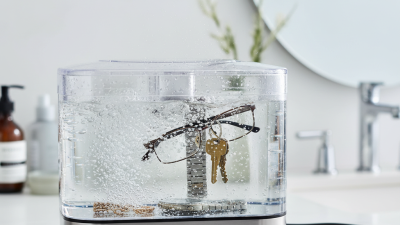
The Ultrasonic Bath transforms the cleaning process. Instead of scrubbing, you can simply immerse objects in the bath. Imagine jewelry, eyeglasses, or delicate tools coming out spotless. As it works, tiny bubbles create a gentle scrubbing action, effectively removing stubborn residues.
While many users rave about the Ultrasonic Bath, there are aspects to consider. It might not clean every material safely. Some delicate or porous items may be damaged. It’s essential to know your objects well. Understanding what can endure the ultrasonic process is crucial for successful cleaning. The benefits are clear, but caution is key.
Benefits of Ultrasonic Cleaning: An Overview of Technology and Efficiency
Ultrasonic cleaning technology has revolutionized the cleaning process across various industries. By generating high-frequency sound waves, it creates microscopic bubbles in a cleaning solution. When these bubbles burst, they produce powerful shockwaves. This action removes dirt, grease, and contaminants from surfaces with unmatched efficiency.
Using an ultrasonic bath offers several benefits. It can reach tiny crevices and complex shapes that traditional cleaning methods often miss. The process is gentle yet effective, minimizing the risk of damaging delicate items. For example, jewelry, electronic components, and automotive parts can all benefit. However, it’s essential to choose appropriate cleaning solutions that match the materials being cleaned. Not all substances are compatible.
**Tip:** Always test a small area first. This precaution helps identify any adverse reactions.
Moreover, time efficiency is a key advantage. Ultrasonic cleaning can reduce cleaning time significantly. Although, remember not every item requires the same cleaning duration. Finding the right balance between cleaning time and effectiveness is crucial. Too long, and you risk damaging sensitive items.
**Tip:** Monitor your cleaning cycles carefully. Adjust them based on the material and the level of dirt.
Top Benefits of Using an Ultrasonic Bath for Effective Cleaning
| Benefit |
Description |
Efficiency |
| Deep Cleaning |
Removes dirt and contaminants from complex parts and hard-to-reach areas. |
High |
| Time-Saving |
Cleans multiple items simultaneously, reducing processing time. |
High |
| Non-Damaging |
Gentle on sensitive parts, ensuring no physical damage. |
Moderate |
| Eco-Friendly |
Minimal use of harsh chemicals, making it safer for the environment. |
High |
| Versatility |
Applicable for various materials, including metals, plastics, and glass. |
High |
Improved Cleaning Performance: Data on Particle Removal Efficiency
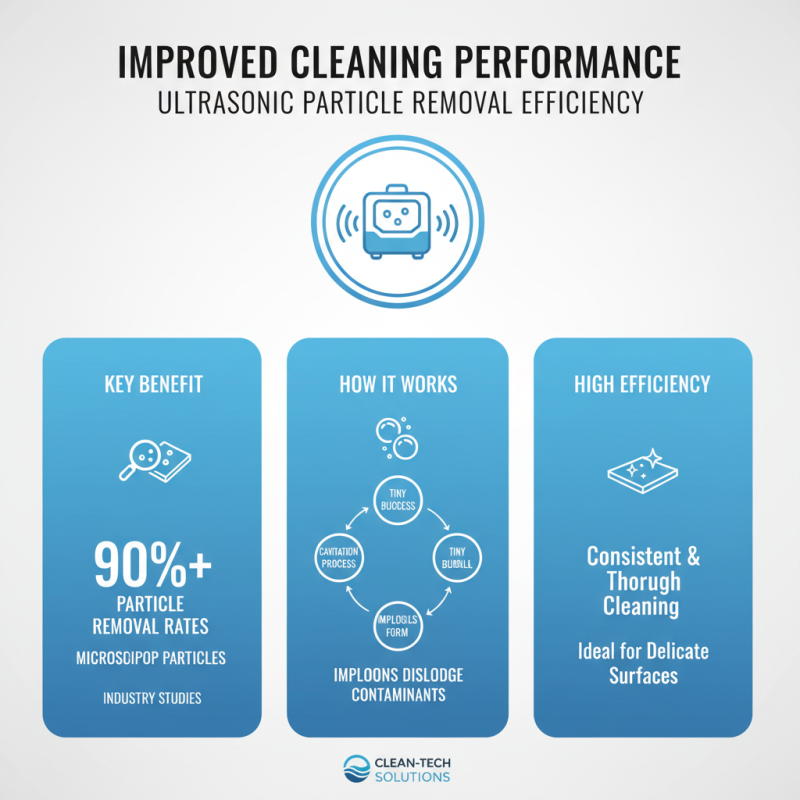
Ultrasonic cleaning offers remarkable efficiency in removing microscopic particles. Recent industry studies highlight its effectiveness, showcasing particle removal rates exceeding 90% in certain applications. This high efficiency stems from the cavitation process. Tiny bubbles form and implode in the cleaning solution, dislodging contaminants from surfaces.
One report noted that in environments with stringent cleanliness standards, ultrasonic baths outperformed traditional cleaning methods. For instance, metal parts exposed to oil and dust saw a drastic cleanliness improvement. The average particle size removed was as small as 5 microns. However, challenges remain. For porous materials, complete cleaning can be elusive.
Another interesting data point shows that the frequency of ultrasonic waves matters. Lower frequencies excel at removing larger particles, while higher frequencies handle finer contaminants. Balancing these frequencies is crucial for optimal performance. Users often find inconsistent results without this understanding. Experimentation is key to achieving desired cleanliness levels in specific applications.
Eco-Friendly Cleaning Solutions: Reducing Chemical Usage in Industries
Ultrasonic baths offer a powerful cleaning method while aligning with eco-friendly goals. They utilize sound waves to create microscopic bubbles in a liquid. These bubbles collapse and produce intense cleaning action without harsh chemicals. This process minimizes environmental impact compared to traditional cleaning methods that often use toxic substances.
Many industries face challenges in reducing chemical usage. Some might find the initial investment daunting. There is hesitation in adopting new technology. However, the long-term benefits can outweigh these concerns. Ultrasonic cleaning is effective for various materials, including metals and plastics. This versatility allows for broader applications in different sectors, promoting sustainability while maintaining cleanliness.
Employing ultrasonic baths not only reduces chemical waste but also enhances workplace safety. Fewer toxic substances mean lower risks for workers. Still, some industries may struggle with transitioning. Resistance to change can stall progress. It’s essential to address these concerns and educate on the potential of these innovative solutions.
Top Benefits of Using an Ultrasonic Bath for Effective Cleaning
This chart displays the top benefits of using an ultrasonic bath for cleaning purposes, showcasing the reduction of chemical usage compared to traditional cleaning methods.
Time Efficiency: Speed of Ultrasonic Baths Compared to Traditional Methods
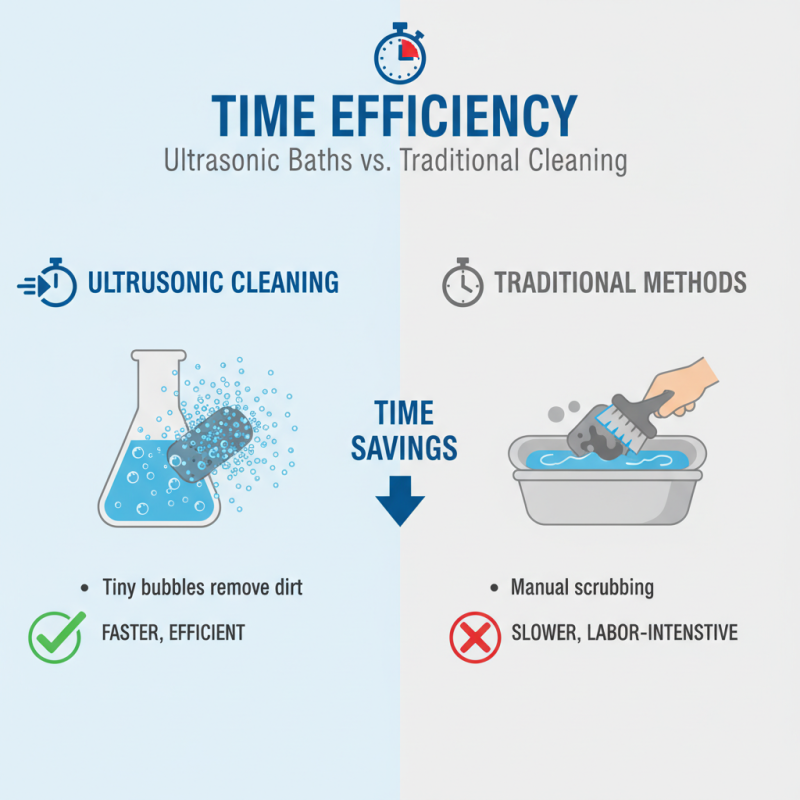
Ultrasonic baths have revolutionized the cleaning process. They save time efficiency compared to traditional methods, making them a popular choice for many. With ultrasonic cleaning, tiny bubbles form and collapse. This process eliminates dirt and grime effectively. Traditional cleaning often involves scrubbing, which can be time-consuming.
One notable advantage is the speed. An ultrasonic bath can clean items in minutes. In contrast, hand-cleaning can take much longer. For example, jewelry or intricate parts require careful handling. While it seems efficient, scrubbing can lead to damaged surfaces. The ultrasonic method minimizes this risk, ensuring a thorough clean without abrasive actions.
However, not everything is perfect. Ultrasonic baths may not work for all materials. Some delicate items might get damaged. Users should always check compatibility first. Despite these concerns, the rapid results often outweigh the downsides. Efficiency doesn't always mean perfection, and this is where reflection comes in. Users must weigh speed against potential risks carefully.
Versatility of Ultrasonic Cleaning: Applications Across Various Industries
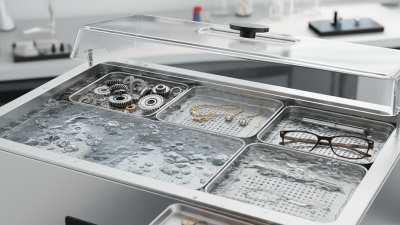
Ultrasonic cleaning technology is gaining traction across various industries. Its ability to deeply clean intricate objects makes it indispensable. This method employs high-frequency sound waves, creating millions of bubbles that implode and remove dirt. Imagine cleaning delicate jewelry or complex automotive parts without scrubbing. This technique reaches every nook and cranny.
In the medical field, ultrasonic baths play a vital role. They help sanitize surgical instruments effectively. Contaminants are removed thoroughly, ensuring patient safety. However, the process requires careful monitoring. Over time, some items may wear down. In electronics, cleaning circuit boards can be risky if not done correctly. Improper use can lead to damage.
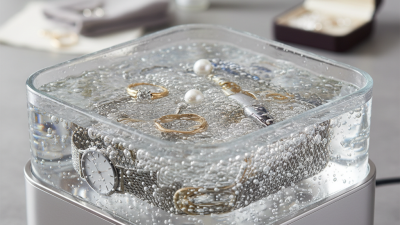
Jewelry stores also use ultrasonic cleaning. Customers expect shiny results. Yet, some gemstones may not withstand the process. It's essential to test each piece to avoid mishaps. Balancing efficacy and potential risks is crucial. Ultrasonic cleaning showcases versatility. It serves multiple sectors but requires thoughtful application to achieve optimal outcomes.