Choosing the 2026 best Cassette Sterilizer is not a simple comparison of price tags or cycle times. Global buyers must match the unit to their instruments, daily workload, facility layout, and service capacity. A compact sterilizer may fit neatly beside a treatment chair, yet still fall short if its chamber cannot handle the clinic’s most common cassette load. Small details matter: tray dimensions, cycle records, water requirements, and the time needed between runs.
In infection-prevention guidance, William A. Rutala’s work uses this definition: “Sterilization is the complete elimination or destruction of all forms of microbial life.” That standard is a useful reminder: a reassuring display is not proof of a validated process. Buyers should examine the manufacturer’s instructions, cycle validation, compatible load types, maintenance schedule, and available technical support. Documentation matters, too. Clear records help staff check routine performance and investigate problems.
No single model suits every market. Some facilities need faster turnover; others value straightforward operation, reliable parts, or training in their preferred language. A specification sheet cannot reveal every service delay or workflow snag. Ask suppliers for evidence, confirm local equipment requirements with qualified professionals, and compare total ownership costs—not just the purchase price. One caveat: published features can change, and claims need verification. This guide offers a practical shortlist, not a substitute for site-specific assessment. The best choice is the one your team can operate, maintain, and verify consistently.
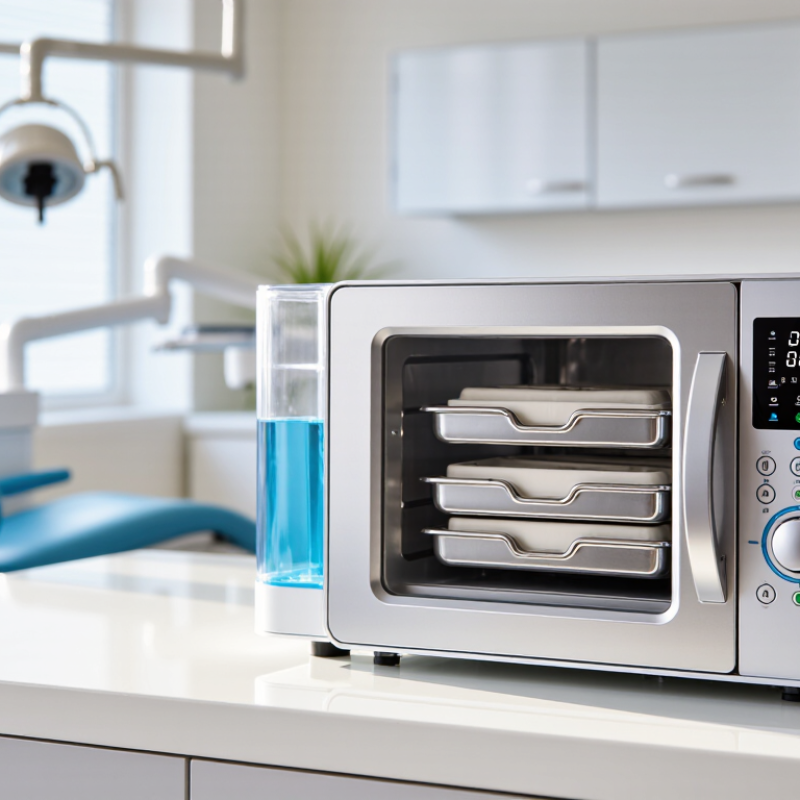
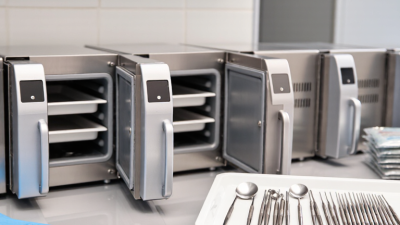
A cassette sterilizer is a steam sterilizer designed to process instruments held in a rigid, perforated cassette. The cassette keeps small tools organized during loading, sterilization, and handling. In a dental clinic, for example, a set of metal instruments can remain together instead of shifting loose inside the chamber.
The cassette is not a substitute for cleaning.
Before sterilization, instruments need appropriate cleaning and inspection. Staff load them into the cassette without overcrowding it, then place the cassette in the chamber. The sterilizer removes air and exposes the load to saturated steam under controlled pressure and temperature. Steam must reach the instrument surfaces for the validated cycle to work.
A complete cycle also includes drying, which helps limit moisture on the processed load.
Afterward, staff check the cycle record and indicators according to their workplace procedures. A completed display alone does not prove every instrument is sterile.
That detail is easy to overlook.
Cassette systems can make handling tidier, but they still depend on correct loading, maintenance, and routine monitoring. Different models and loads may require different validated cycles, so users should follow the device instructions and applicable clinical guidance.
Even careful teams can make mistakes; reviewing loading habits regularly is worthwhile.
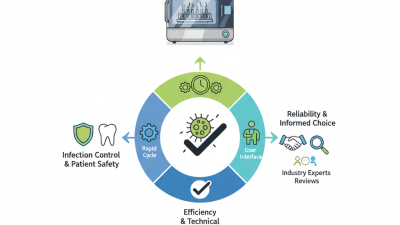
2026 Best Cassette Sterilizer for Global Buyers?
Which Features Define a High-Performing Cassette Sterilizer in 2026?
A high-performing cassette sterilizer should deliver repeatable cycles, dependable drying, and clear records—not just a fast countdown. Dental teams handle narrow hinges, textured surfaces, and tightly packed instruments. Poor spacing can obstruct steam contact. Look for chamber and cassette designs that allow steam to reach instrument surfaces and support consistent drying. A wet cassette is not ready for storage.
Monitoring matters. The CDC’s 2016 Summary of Infection Prevention Practices in Dental Settings recommends biological monitoring at least weekly, and for every load containing implantable devices. A practical unit should make cycle results easy to review and keep records traceable by load. ISO 17665 provides a framework for developing, validating, and routinely controlling moist-heat sterilization processes. Buyers should check that the supplier’s validation documents match the intended cycles and loads.
Capacity is not the whole story. Consider how many cassettes fit without crowding, how long a full cycle takes, and whether staff can clean the chamber easily. Ask for drying performance under realistic loads, not only an empty-chamber demonstration. A quieter unit may help in a small clinic, but service access and spare-part availability can matter more over time. This is easy to overlook. No single specification proves performance; the actual workflow does.
When comparing cassette sterilizers, look beyond the cycle time on the display. A short cycle is useful only when it matches the cassette size, instrument load, and validated instructions. Check how the unit controls temperature, pressure, and exposure time. Ask whether cycle records show key parameters and identify interrupted or failed runs. Small details matter.
Safety controls deserve equal attention. Look for a lid lock that stays engaged under pressure, clear alarms, and sensors that detect temperature or pressure outside the set range. Confirm how the machine responds to a power loss or incomplete cycle. A warning light alone may not tell staff what to do next. Practical checks help: inspect the door seal, review maintenance records, and confirm that routine testing follows the manufacturer’s guidance. This comparison is not perfectly tidy; cycle names and displayed times can differ between machines. Compare documented performance, not labels. Staff should also know how to handle a failed cycle and where to find its record. A smooth-looking display is reassuring, but it cannot replace validated procedures or careful loading.
| Cycle or buyer checkpoint | Typical temperature | Exposure / cycle time | Typical intended load | Controls and checks to compare |
|---|---|---|---|---|
| Unwrapped solid-instrument cycle | Often 134°C; follow the sterilizer’s validated cycle | Exposure is commonly a few minutes at the set temperature. Total cycle time also includes air removal, heating, exhaust, and any drying. | Unwrapped solid instruments for immediate use, only where permitted by the device instructions and local rules. | Check cycle selection, chamber temperature and pressure monitoring, cycle-failure alerts, and a door lock that remains engaged while the chamber is pressurized. |
| Wrapped or pouched instruments | Commonly 134°C; some validated cycles use 121°C | Hold time depends on the validated cycle, load, packaging, and sterilizer. Drying may extend the full cycle. | Packaged instruments intended for storage after sterilization, when the packaging and load are compatible with the cycle. | Look for a drying phase, clear cycle-complete and cycle-failure status, and records identifying the selected cycle and its result. |
| Lower-temperature cycle | Often 121°C | Typically requires a longer exposure period than a 134°C cycle; use only the time validated for the particular load and sterilizer. | Loads whose instrument instructions specify a compatible lower-temperature steam cycle. | Confirm that the controller prevents an incompatible cycle choice where applicable, and that displayed readings and alarms are easy to interpret. |
| Hollow or porous load cycle | Often 134°C for a validated cycle | Cycle duration varies with air-removal method, load configuration, and the manufacturer’s validated program. | Hollow instruments or porous loads only when the sterilizer’s stated cycle type and load limits cover them. EN 13060 Type B cycles are designed for a broad range of small-sterilizer loads; Type S capability is defined by the manufacturer. | Check the stated cycle type and test requirements, plus pressure and temperature monitoring, fault messages, and service documentation. |
| Door and pressure protection | Not a cycle setting | Protection applies throughout operation and during pressurization and depressurization. | All cycles and loads. | Verify a pressure-dependent door interlock, overpressure protection, overtemperature monitoring, and a safe way to indicate that the chamber can be opened. |
| Water, maintenance, and traceability | Use water quality specified in the instructions for use | Routine checks and maintenance follow the device instructions and applicable local requirements. | All cycles; water quality and upkeep affect reliable operation and equipment life. | Compare water-quality guidance, maintenance alerts, cycle storage or export, user access controls, and availability of service and spare parts in the destination market. |
| Global-market readiness | Confirm local electrical supply and approved operating conditions | Cycle performance should be supported by validation and documentation for the intended market. | Purchasers importing or installing a unit across different regions. | Check applicable market approvals, electrical compatibility, installation requirements, local-language instructions, and documented conformity with relevant regulations. |
Important: Temperatures and time descriptions above are general comparison guidance, not universal operating instructions. Exposure time is not the same as total cycle time. Select cycles and loads only according to the sterilizer and instrument instructions for use, validated performance, and applicable local requirements.
A cassette sterilizer must meet the rules of its destination market, not just pass a factory test. Check the local adoption of ISO 17665 for moist-heat sterilization and IEC 61010-2-040 for sterilizer safety. Ask for validation records, cycle parameters, and documentation accepted by local regulators. Small details matter. A certificate alone may not show that the equipment suits a clinic’s water quality, workload, or installation conditions.
Power needs vary by model and country. Confirm rated voltage, frequency, phase, plug type, protective earthing, and peak current against the site’s supply. Match the circuit and breaker to the manufacturer’s installation instructions; do not assume a plug adapter solves a voltage mismatch. A 2023 assessment by WHO, the World Bank, IRENA, and SEforALL estimated that about one billion people rely on health facilities with unreliable or no electricity. That makes supply stability a practical purchasing question, not a footnote.
A cassette sterilizer should be judged by usable daily output, not its advertised chamber volume. Count the cassettes your team loads per cycle, then check cycle, drying, and cooling times. Small details matter. A clinic handling mixed cassette sizes may fit fewer sets than expected. Ask for chamber dimensions, cassette compatibility, and a loading diagram before comparing options. Match capacity to peak periods, not an average Tuesday. Confirm the site’s electrical supply, water requirements, ventilation, and installation clearance. Requirements vary. Request documented cycle performance and clear instructions for routine checks; do not rely on sales estimates alone.
Compare more than the purchase price. Include delivery, installation, staff training, consumables, scheduled service, and replacement parts. A low initial quote may hide costly delays. Ask the supplier to itemize exclusions and explain warranty terms, response times, remote troubleshooting, and local technician coverage. Support matters most when a unit stops mid-shift. Check how quickly common parts can reach your region and how service records are shared. If available, request references from facilities with similar workloads. Compare several years of costs using your own cycle volume. Estimates are imperfect; actual use can change. Leave room for that.
Chamber-volume conversion reference for comparing supplier specifications
The chart shows equivalent chamber volumes using 1 L = 0.0353147 ft³; the plotted values are conversion examples, not product specifications or market benchmarks. Compare usable chamber capacity and cassette load requirements. For a complete assessment, request itemized equipment, shipping, installation, and maintenance costs, and confirm warranty terms, spare-parts availability, validation documentation, and technical-support response arrangements.